
Slovenia erased about 25000 residents from state records in 1992
Miha Mazzini recalls the loss of citizenship healthcare and pensions without notice, remigration politics looks different when it is executed in a database
Images
 Pedestrians crossing a bridge in Ljubljana, Slovenia. Photograph: DavorLovincic/Getty Images
theguardian.com
Pedestrians crossing a bridge in Ljubljana, Slovenia. Photograph: DavorLovincic/Getty Images
theguardian.com
 Miha Mazzini
theguardian.com
Miha Mazzini
theguardian.com
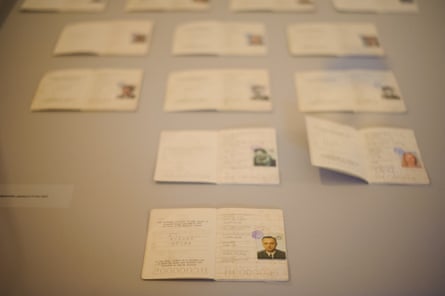 A 2015 exhibition in Ljubljana showing passports belonging to the erased. Photograph: Jure Makovec/AFP/Getty Images
theguardian.com
A 2015 exhibition in Ljubljana showing passports belonging to the erased. Photograph: Jure Makovec/AFP/Getty Images
theguardian.com
In February 1992 Slovenia removed about 25,000 people from its official records, according to a Guardian essay by Slovenian writer Miha Mazzini. The administrative act—carried out without prior notice and with no right of appeal—stripped permanent residents born elsewhere in the former Yugoslavia of legal status overnight. Mazzini describes how the erased lost rights to reside, healthcare and pensions, and how some only discovered it when a clerk told them they “did not exist.”
Mazzini’s point is not mainly historical. He links the episode to the revival of “remigration” rhetoric in European politics: the idea that states should actively reverse past immigration by pushing people out, including—implicitly or explicitly—those who have lived for years inside the system. The Slovenian case shows what such a policy looks like when it is implemented through registries rather than raids: a change in paperwork that turns a neighbour into an “illegal immigrant” without moving a single person across a border.
The mechanics matter because they shift costs and risks. A state that can revoke status by administrative deletion does not need to win a public argument about each individual case; it needs only a rule, a database and compliant offices. Mazzini’s anecdotes underline how outcomes then depend less on formal rights than on informal access: one family’s son, erased due to border changes after Yugoslavia’s breakup, still got into secondary school because of personal connections, while others without such ties faced harsher consequences. In another example, a man stopped for speeding could not be found in the registry, was taken to an asylum centre, and was ultimately deported to Croatia—despite being born in Serbia—where Mazzini writes he was treated as a prisoner of war.
That blend of bureaucratic certainty and human arbitrariness is part of why the story travels. “Remigration” is often sold as a restoration of order: the state reasserts control, the rules become clear, the system becomes legible again. But the Slovenian precedent described here is an order built on a single administrative switch, with no hearing before the loss of rights and no obvious mechanism for correction afterward. Mazzini also notes that a 2015 exhibition in Ljubljana displayed passports belonging to those erased, a physical reminder that citizenship can be presented as durable while remaining contingent on state record-keeping.
Slovenia’s deletion happened on a specific date—26 February 1992—and it required no new border fence. It required only that the registry be edited, and that the people affected learn about it later at a counter.