
EU finance talks in Dublin refocus on fuel shock
Euronews links oil surge to Saudi pipeline attacks and Hormuz disruption, France ties Russia sanctions list to detainees in Azerbaijan
Images
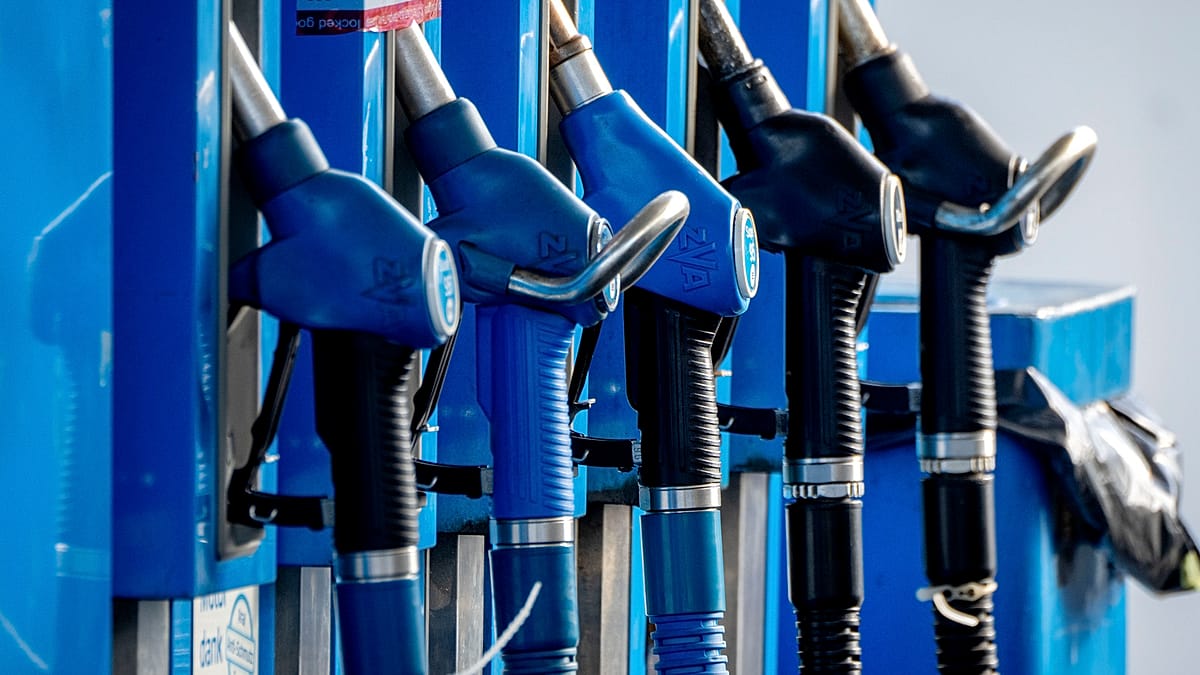 Energy crunch looms over EU finance talks
euronews.com
Energy crunch looms over EU finance talks
euronews.com
Eurozone finance ministers and central bank governors gathered in Dublin on 18 September as oil prices jumped and inflation fears returned to EU economic discussions, according to Euronews. The outlet links the latest price surge to reduced global supplies and to attacks on Saudi Arabia’s East–West pipeline attributed to Iran-backed Houthi rebels. With fuel costs rising, Euronews reports that some European leaders are reaching for familiar tools: French President Emmanuel Macron ordered a “mobilisation” on fuel prices, while some capitals floated a windfall tax on energy companies.
The meeting agenda is broad—bonds, growth, inflation, and the European Central Bank’s latest rate move—but the immediate politics are retail. Irish finance minister Simon Harris, quoted by Euronews, described energy-company profits as a product of chaos rather than innovation, and tied the crisis to the Strait of Hormuz being closed. That framing matters because it shifts blame away from domestic policy choices and toward a chokepoint Europe does not control, while still creating pressure to “do something” quickly at the pump.
The same dynamic appears in Brussels, where EU ambassadors met the same day to try to renew individual sanctions against Russia that are due to expire next week. Euronews reports that France wants Russian oligarch Alisher Usmanov removed from the sanctions list, and that Paris has linked delisting to securing the freedom of several French citizens detained in Azerbaijan—an approach the outlet describes as unprecedented. Diplomats quoted by Euronews were split: some expressed sympathy, others questioned why Azerbaijan would care about Usmanov, and most opposed removing him.
Sanctions renewal in the EU is a consensus exercise, which turns any one member state’s domestic problem into a bloc-wide bargaining chip. France is described by Euronews as wielding significant influence, with veto power that cannot be easily overridden. The result is a negotiation in which the formal question—whether to maintain pressure on Russian elites—collides with an unrelated hostage-style dispute with a third country, all under a deadline.
Meanwhile, the inflation backdrop tightens the room. The ECB raised interest rates on 10 September, and Euronews notes that bond-market volatility is part of what ministers are discussing. If energy prices stay high, governments face a choice between letting households absorb the shock, spending to cushion it, or taxing companies whose profits are easiest to point to in a headline. None of those options fixes supply constraints in the short term, but all of them create immediate winners and losers.
Euronews reports that consultations on the sanctions list were still ongoing on 18 September. The next concrete event is not a summit communiqué but a calendar: the sanctions expire next week if the EU fails to renew them.