
Nine women found dead in Ekurhuleni near Johannesburg
Police probe possible links across two-month cluster, public fear grows faster than confirmed facts
Images
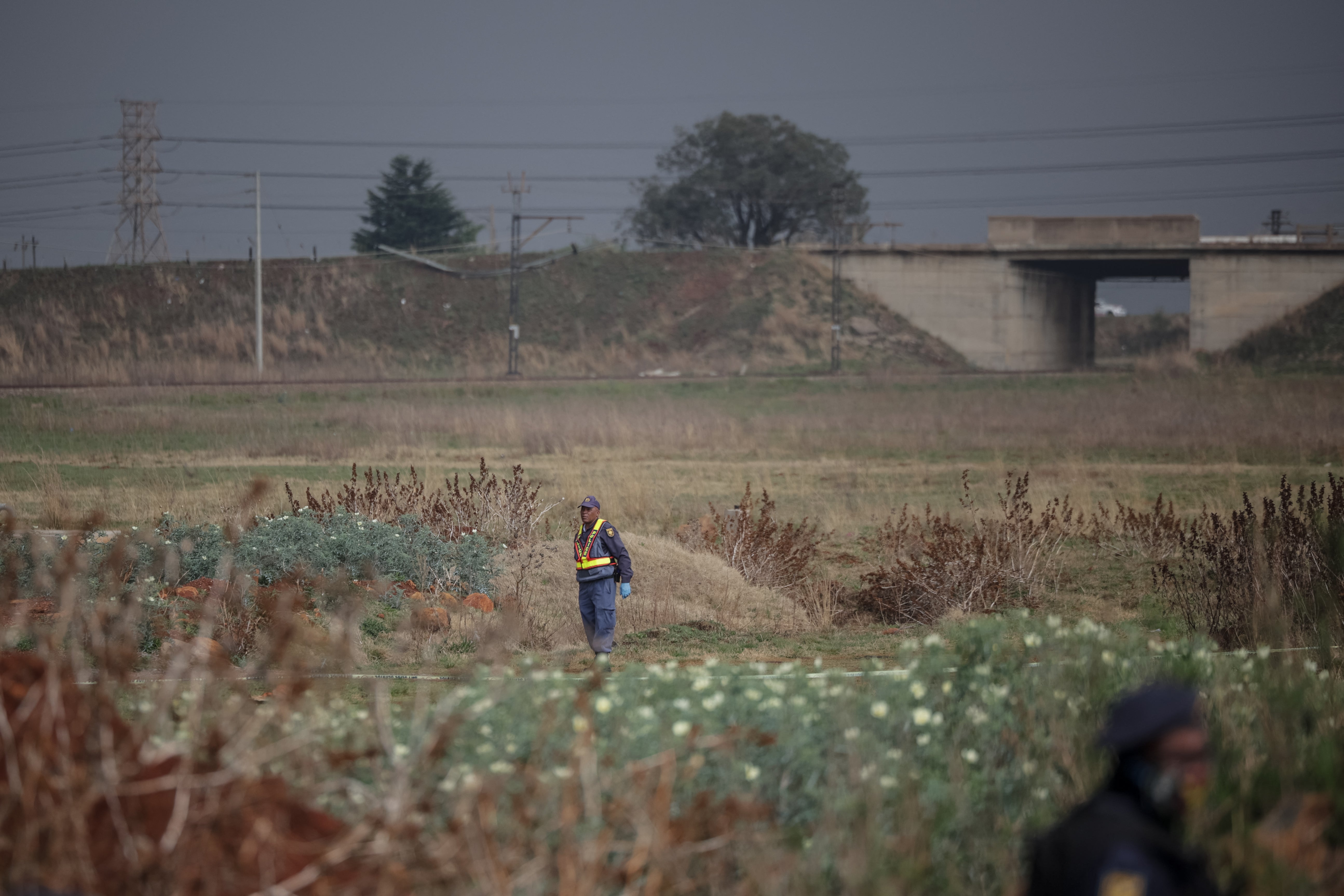 South African Police Service (SAPS) officers stand guard at the crime scene where the body of a woman was discovered in Boksburg. (AFP/Getty)
AFP/Getty
South African Police Service (SAPS) officers stand guard at the crime scene where the body of a woman was discovered in Boksburg. (AFP/Getty)
AFP/Getty
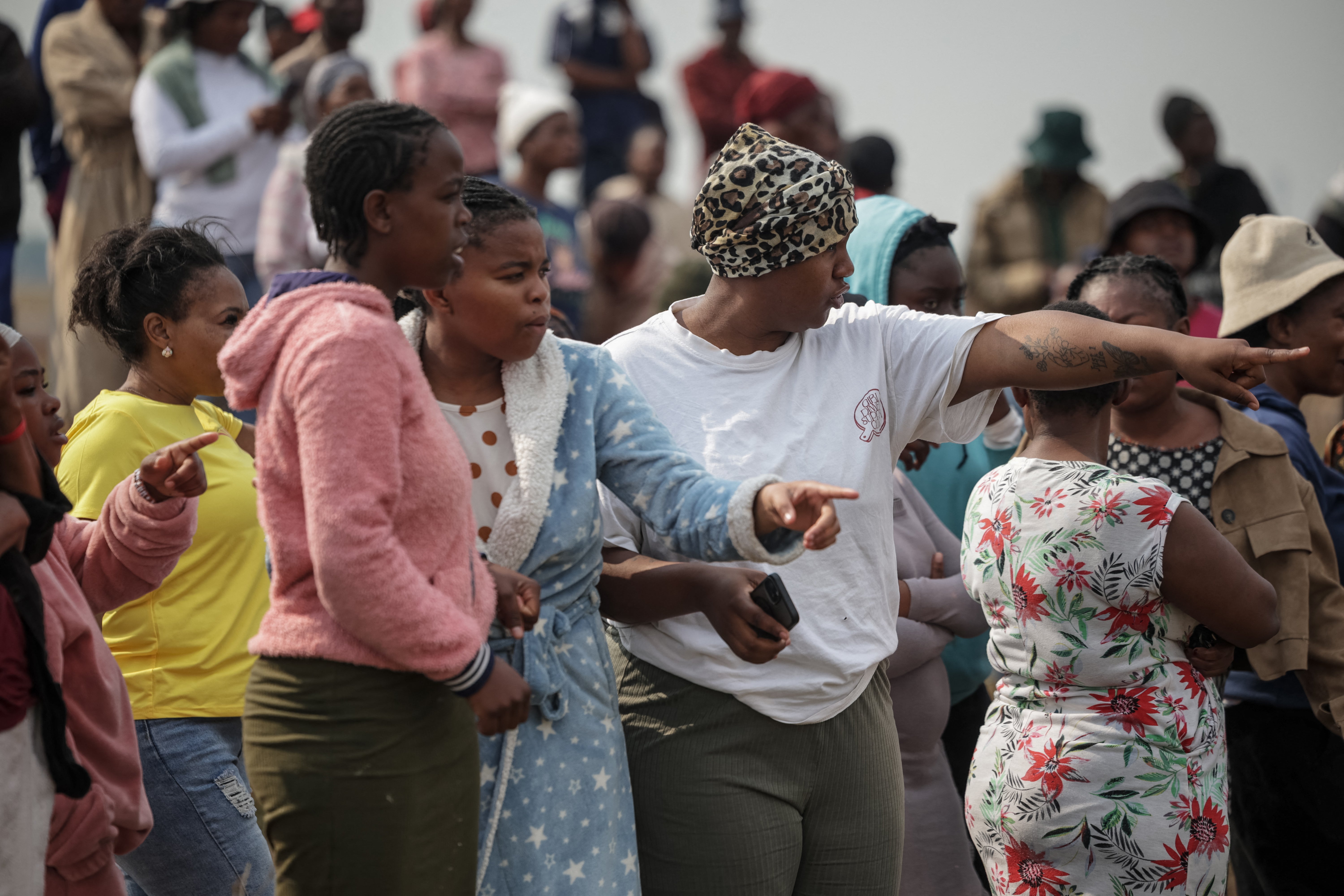 People gather and point in the direction of the crime scene where the body of a woman was discovered in Boksburg on September 17, 2026. (AFP/Getty)
AFP/Getty
People gather and point in the direction of the crime scene where the body of a woman was discovered in Boksburg on September 17, 2026. (AFP/Getty)
AFP/Getty
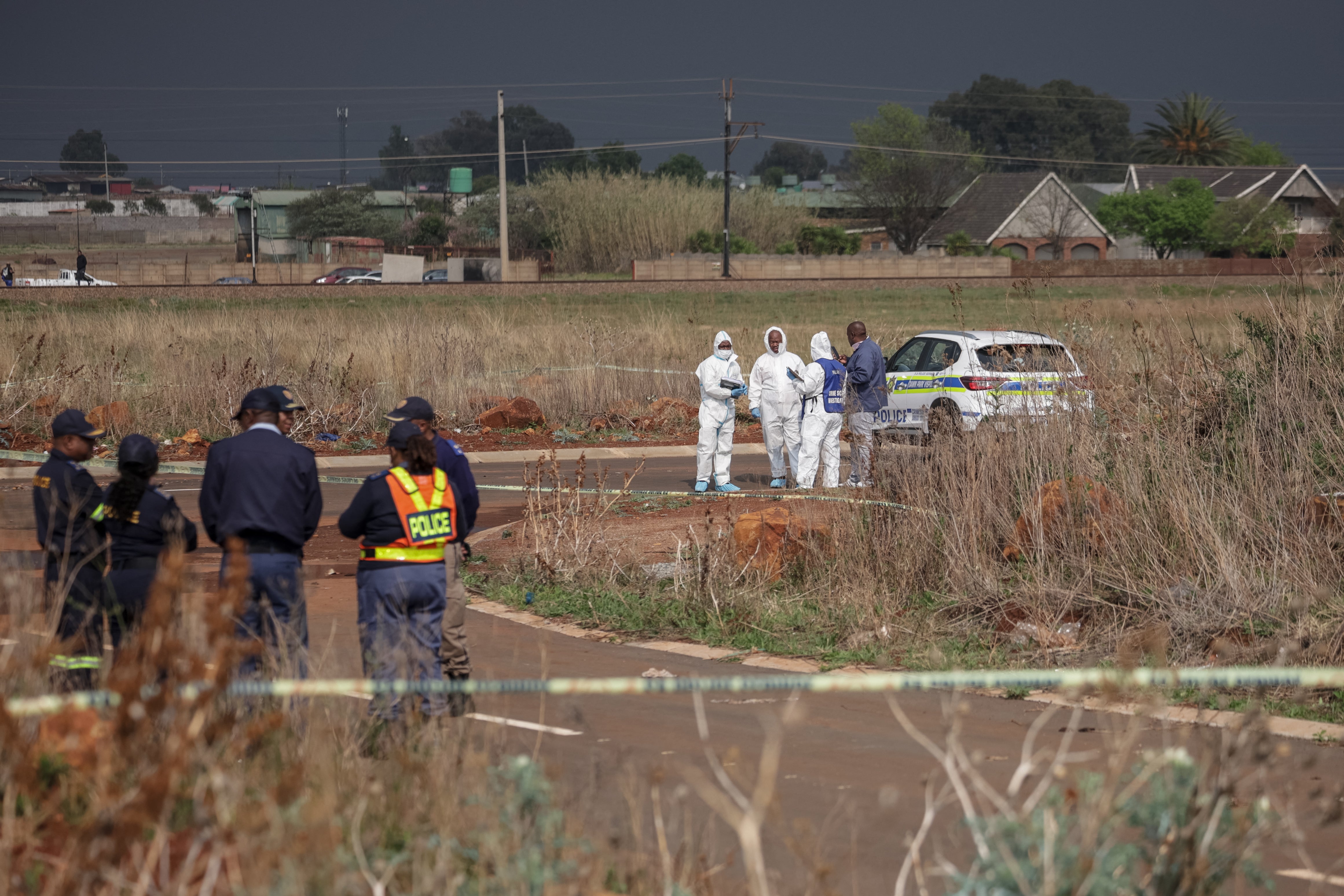 Members of the South African Police Service (SAPS) Forensic Pathology Services work on the crime scene where the body of a woman was discovered in Boksburg (AFP/Getty)
AFP/Getty
Members of the South African Police Service (SAPS) Forensic Pathology Services work on the crime scene where the body of a woman was discovered in Boksburg (AFP/Getty)
AFP/Getty
Nine women have been found dead in Ekurhuleni east of Johannesburg over the past two months, a cluster of cases South African police say may be linked. According to the Independent, the ninth body was discovered early Thursday near a construction site after a passerby alerted officers, with investigators still working to determine the cause of death. Police have warned the public against circulating images and unverified claims online while a multidisciplinary team compares timelines, locations and victim profiles.
The immediate question—whether this is one perpetrator or multiple unrelated murders—sits inside a longer-running reality: South Africa’s urban safety is often negotiated case by case rather than guaranteed by routine enforcement. Police have publicly highlighted similarities among the first eight cases, including how victims were found, yet provincial commissioner Fred Kekana has also cautioned against prematurely labeling the killings as the work of a serial offender. That hesitation is partly procedural—misclassification can distort an investigation—but it also reflects how quickly public fear outruns official capacity when bodies appear in close proximity across several communities.
What is visible from the reporting is a pattern of escalation: a public warning, then a “high-level” investigation, then political leaders promising results without offering specifics. Gauteng premier Panyaza Lesufi said police were making progress in two or three cases, but did not describe suspects, arrests or forensic breakthroughs. The cases have also drawn in the familiar machinery of modern policing—appeals for tips, requests to avoid social-media speculation, and an emphasis on waiting for evidence—while residents watch cordoned-off scenes multiply.
The geography matters. Ekurhuleni is a large municipality with transport corridors, industrial zones and sprawling residential areas; moving a body a few kilometres can shift it across jurisdictions and overwhelm already thin investigative resources. When victims are unidentified, partially clothed, or found in places like roadside verges and near worksites, the early stages of any case depend heavily on basic administrative competence: identifying the dead, reconstructing last movements, and preserving scenes long enough for forensics to do more than document.
Police said the ninth case may be connected. They have not yet said they can prove it.