
Europe rushes fuel relief after Saudi East-West pipeline attack
Leaders reach for tax cuts and emergency measures as cargoes reroute via Oman, pump prices become election arithmetic
Images
 European leaders rush to counter looming diesel price surge
euronews.com
European leaders rush to counter looming diesel price surge
euronews.com
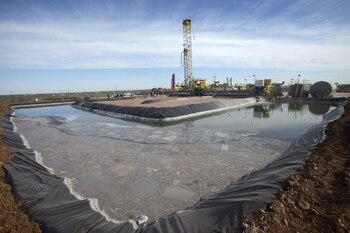 Los precios del petróleo caen tras la oferta de Arabia Saudita de enviar cargamentos adicionales a Asia. (EFE/ARCHIVO)
infobae.com
Los precios del petróleo caen tras la oferta de Arabia Saudita de enviar cargamentos adicionales a Asia. (EFE/ARCHIVO)
infobae.com
 Las transferencias de barco a barco frente al puerto de Sohar compensaron parte de las interrupciones en el oleoducto Este-Oeste. (REUTERS/ARCHIVO)
infobae.com
Las transferencias de barco a barco frente al puerto de Sohar compensaron parte de las interrupciones en el oleoducto Este-Oeste. (REUTERS/ARCHIVO)
infobae.com
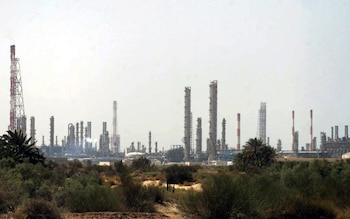 Los ataques contra la infraestructura que conecta los yacimientos saudíes con Yanbu llevaron al crudo a sus niveles más altos en casi cuatro meses. (EFE/ARCHIVO)
infobae.com
Los ataques contra la infraestructura que conecta los yacimientos saudíes con Yanbu llevaron al crudo a sus niveles más altos en casi cuatro meses. (EFE/ARCHIVO)
infobae.com
Petrol and diesel prices across parts of Europe were jolted again this week after an attack hit Saudi Arabia’s East–West pipeline, a key route designed to bypass the Strait of Hormuz. Euronews reports that European leaders are now scrambling for consumer-facing measures as cargoes are delayed or cancelled and the risk premium returns to the oil market. Separate reporting cited by Infobae says Saudi Arabia has offered additional shipments to Asian refineries via ship-to-ship transfers off Oman, helping push crude prices down on Thursday while keeping them above $100 a barrel.
The political response in Europe is arriving through the fastest levers governments control: taxes, subsidies and promises of emergency action. According to Euronews, French President Emmanuel Macron ordered a “mobilisation” to tackle fuel prices and tied domestic price pressure to diplomacy in the Middle East, including calls to restore freedom of navigation in Hormuz and protect energy infrastructure. In Italy, Prime Minister Giorgia Meloni announced the abolition of a stamp duty on small and medium-powered cars, presenting it as a permanent structural change rather than a temporary fuel rebate, while also urging the European Commission to treat the energy shock like a defence emergency and relax fiscal rules. Spain has already doubled its diesel tax cut to 20 cents a litre under an automatic “anti-crisis” mechanism, and Germany’s chancellor has said Berlin will soon present measures to ease the impact of record fuel prices.
Those moves shift the bill from motorists to treasuries at precisely the moment higher energy costs are feeding into inflation. Euronews notes inflation in France and Italy has been driven in part by energy, turning pump prices into a domestic political vulnerability ahead of elections scheduled for 2027. The pipeline disruption also exposes a second layer of fragility: when a bypass route is knocked out, the world’s dependence on a narrow maritime chokepoint reasserts itself, and the market begins pricing not only barrels but safe passage.
Saudi Arabia’s workaround—rerouting some exports via Oman—shows how quickly the trade adapts when the margins are large enough. Infobae reports that ship-to-ship transfers near Sohar helped offset part of the East–West disruption, even as industry and security sources described damage to pumping stations and uncertainty about repair timelines. The same report said some loadings at Yanbu were suspended and some deliveries to European customers were cancelled, underlining that the immediate pain is often felt far from the point of attack.
On Thursday, crude prices eased on talk that the pipeline could resume within days and on signs that Saudi shipments could keep moving via Oman. At the same time, European capitals were still drafting tax cuts and “mobilisations” around a problem that begins with two damaged pumping stations and ends at the diesel pump.