
Federal Reserve raises interest rates
First hike since 2023 defies Trump pressure, three-paragraph statement offers no forward guidance
Images
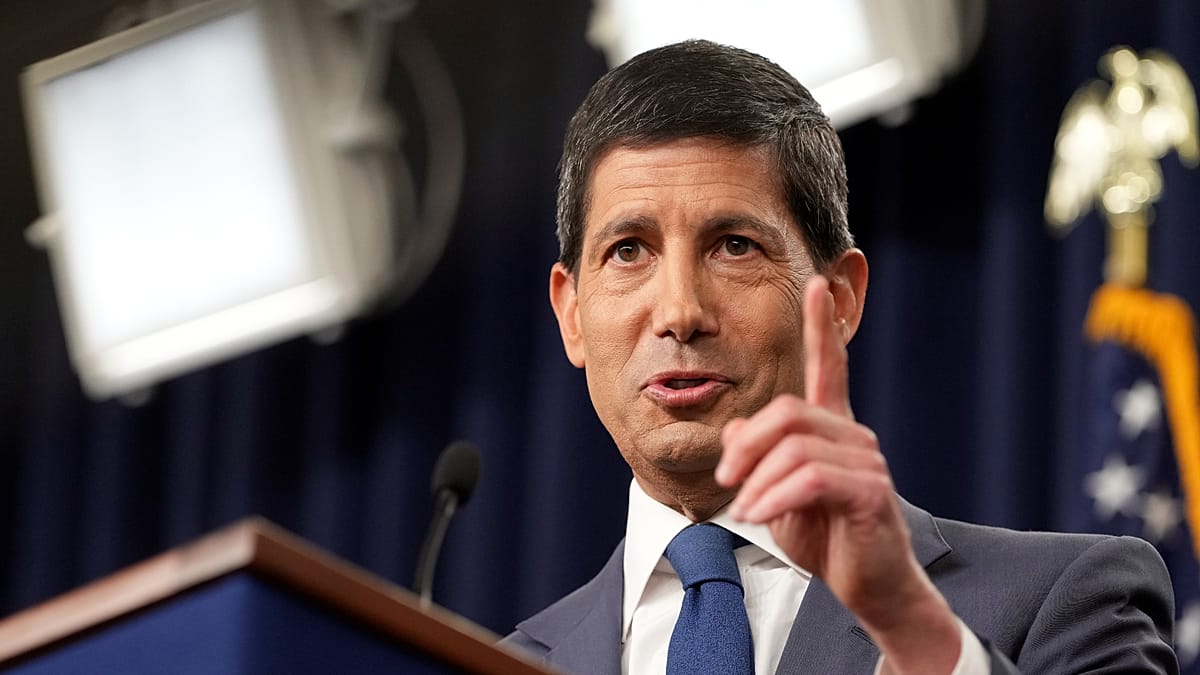 Fed hikes rates for the first time since 2023 in unanimous vote
euronews.com
Fed hikes rates for the first time since 2023 in unanimous vote
euronews.com
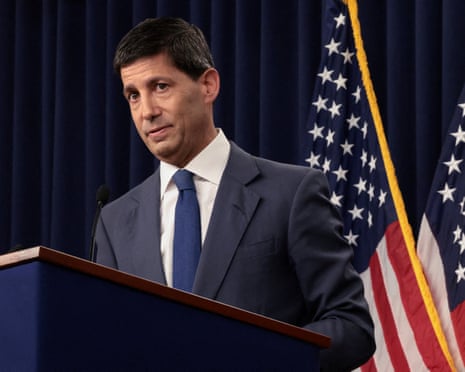 Kevin Warsh at the Federal Reserve in Washington DC on 29 July 2026. Photograph: Evelyn Hockstein/Reuters
theguardian.com
Kevin Warsh at the Federal Reserve in Washington DC on 29 July 2026. Photograph: Evelyn Hockstein/Reuters
theguardian.com
The US Federal Reserve raised its benchmark interest rate by a quarter point on September 16, lifting the target range to 3.75% to 4% in a unanimous vote. According to Euronews, it was the Fed’s first increase since July 2023 and came after months of public pressure from US President Donald Trump for lower rates.
The move ends a pause that had become harder to defend as inflation stayed above target and energy prices pushed headline numbers higher. The Fed’s statement, unusually brief at three short paragraphs, offered little of the hedging language markets have grown used to; it simply said “inflation remains elevated” and that the action would support a “timelier return” to the 2% goal, Euronews reports. The same statement described economic activity as expanding at a “solid pace,” with resilient spending and robust investment—language that implicitly rejects the White House argument that tighter policy would necessarily damage growth.
The political backdrop is unusually direct. Trump has demanded that the United States have “the lowest interest rate of any country in the world,” and has threatened trade retaliation if the Fed does not cut, according to The Guardian. Yet the chair leading the hike, Kevin Warsh, is also Trump’s own pick—an appointment that was widely read as a bet on easier money. Euronews notes the hike could restore the institution’s perceived independence after a period in which the White House openly campaigned for cheaper credit.
The economic mechanics are straightforward and widely felt. Higher policy rates feed into mortgages, car loans, and business borrowing costs, while also raising the government’s own interest bill. At the same time, the inflation problem the Fed is trying to contain is not abstract: Euronews cites a personal consumption expenditures inflation rate of 3.7% in June and July, with core inflation at 3.3%. The Guardian ties the persistence of price pressures to the ongoing US-Israel war with Iran, which has lifted fuel costs and worsened consumer sentiment.
The Fed’s own projections point to a longer grind rather than a quick victory. The Guardian reports that a majority of officials expect at least one more hike before the end of 2026, and that officials do not see inflation returning to 2% until roughly 2029.
The central bank raised rates by a quarter point and declined to offer forward guidance. The White House spent months demanding cuts, and the Fed answered with a three-paragraph statement.