
Mexico authorizes entry of 139 US troops
Senate approves 101st Airborne training mission in Chihuahua after Sheinbaum request, routine cooperation expands after CIA presence controversy
Images
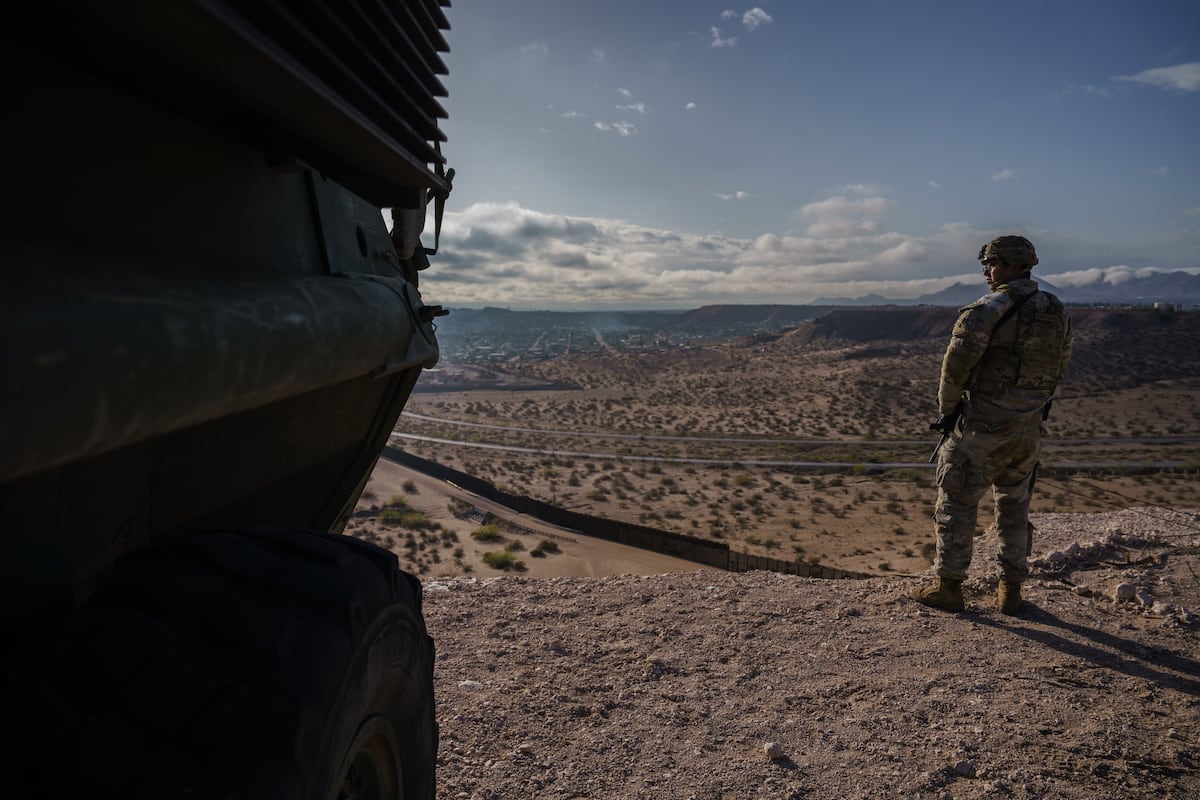 Mexico authorizes entry of 139 US troops for training operations
english.elpais.com
Mexico authorizes entry of 139 US troops for training operations
english.elpais.com
Mexico authorizes entry of 139 US troops for training operations at the Santa Gertrudis military base in Chihuahua between September 20 and September 30, according to El País, after President Claudia Sheinbaum sent the request to the Senate as an “urgent resolution” that passed unanimously.
The deployment is described by Mexico’s Senate as routine military cooperation aimed at improving individual and collective preparedness, but the details underline how formal permissions have become a recurring administrative task rather than an exceptional political decision. El País reports this is the fourth time in 2026 that the Senate has authorized the entry of US troops, and the first authorization this year involving more than 100 personnel. The troops are from the US Army’s 101st Airborne Division and are to arrive aboard a US Air Force aircraft carrying weapons, a logistical fact that tends to sharpen domestic sensitivities even when the mission is framed as training.
The vote also sits on top of a relationship that has to be managed in public and conducted in practice. El País notes the authorization comes months after a political and diplomatic controversy over the presence of CIA agents in Chihuahua, a reminder that not all US security activity in Mexico is routed through Senate votes and press releases. For Mexican leaders, the incentive is to keep operational cooperation flowing—intelligence sharing, training, and interoperability—while retaining a visible paper trail that signals sovereignty to domestic audiences. For Washington, the attraction is a partner that can host, train, and coordinate without the delays and constraints that come with overt basing agreements.
Mexico’s case is part of a broader regional pattern in which security cooperation is sold as technical, time-limited, and apolitical, even as it expands through repeated “routine” approvals. In Colombia, President Abelardo de la Espriella’s government has already authorized joint US military operations on its territory under an anti-narcotics banner, and Peru has joined the US-led “Shield of the Americas,” according to earlier reporting by El País. Each new authorization lowers the political cost of the next one, while the operational footprint becomes harder to measure from outside government.
The Santa Gertrudis training window is short on paper—ten days—but the calendar is not the main story. The main story is that Mexico’s Senate now treats the entry of armed US troops as a file that returns several times a year.
On September 20, El País reports, the 101st Airborne personnel are scheduled to land in Chihuahua and begin training at Santa Gertrudis under an authorization that expires at the end of the month.