
UK ministers weigh residency tests after Reform UK takes £72 million
Proposed cap targets overseas-based British donors and backdating risks legal fights, party expands staff while rules are still being written
Images
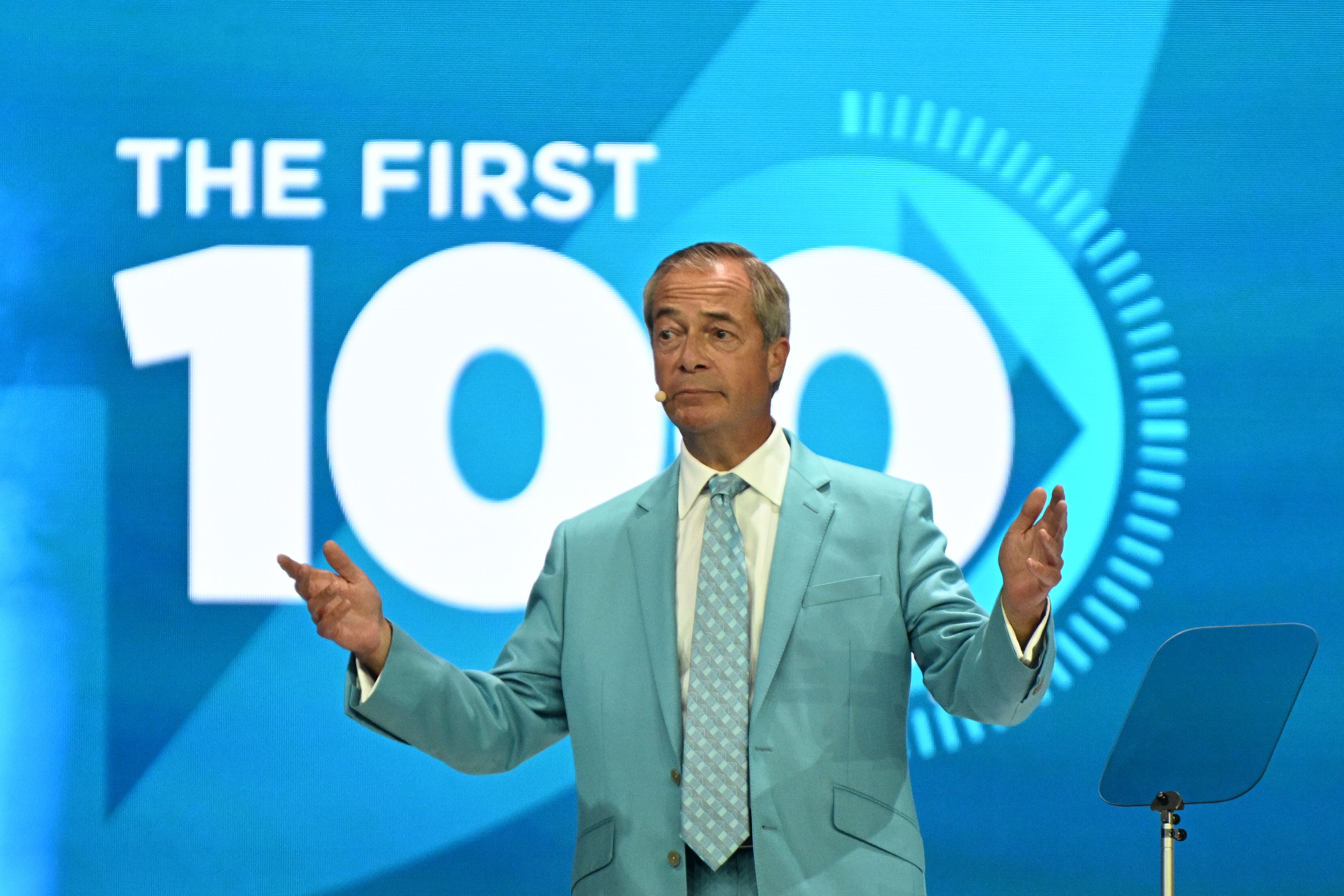 Reform UK’s billionaire donors could be subject to new checks (Will Colebourne/PA) (PA Wire)
PA Wire
Reform UK’s billionaire donors could be subject to new checks (Will Colebourne/PA) (PA Wire)
PA Wire
 Trades Union Congress’s general secretary, Paul Nowak, speaks during the conference. Photograph: Stefan Rousseau/PA
theguardian.com
Trades Union Congress’s general secretary, Paul Nowak, speaks during the conference. Photograph: Stefan Rousseau/PA
theguardian.com
Reform UK has taken a weekend influx of £72 million from two cryptocurrency-linked donors, prompting ministers to float tighter residency tests and a new cap on large gifts from British citizens living abroad. According to The Independent, the government is considering a £100,000 limit on donations from overseas-based British citizens for the first 12 months after they return to the UK, with proposals discussed as being backdated to March 2024. The Guardian reports trade union leaders, gathered at the TUC conference, warned that the scale of the Reform donations was unprecedented in modern British politics and would accelerate what they called the “Americanisation” of campaign finance.
The immediate dispute is less about whether the donations were legal under current rules than about what a “connection to the UK” is supposed to mean in practice. The Independent says Ben Delo was based in Hong Kong at the time of his donation and Christopher Harborne in Thailand, with reports that both have since returned to the UK. Ministers have signalled that donors above the proposed cap would need to demonstrate a “genuine and ongoing connection”, with details to be set out later; the article notes that other parts of government already use clear residency thresholds, such as HMRC’s 183-days-a-year test.
That gap—between bright-line rules elsewhere and looser political-funding standards—creates room for parties to shop for money first and argue about definitions later. Reform leader Nigel Farage has acknowledged the donations may cut against the government’s stated push to clamp down on foreign-linked funding, while also criticising any retrospective application. At the same time, the party is already spending as if the money is secure: The Independent reports Reform has doubled its policy team from 10 to 20, recruited hundreds of field agents, and plans a new YouTube channel.
Labour-aligned unions, meanwhile, are trying to frame their own funding as structurally different rather than simply smaller. The Guardian quotes the TUC describing union donations as “cleanest money in politics” because they come from members’ subscriptions and are democratically controlled, while Unite’s Sharon Graham urged tougher action on “big money” without endorsing a hard cap that could also bind unions. Angela Rayner, the communities secretary, drew the same distinction more bluntly, arguing it was not comparable to equate member subscriptions with “offshore billionaires” attempting to buy influence.
If the government tightens residency tests, it will be deciding not just who can give, but which kinds of organisational funding models remain viable—and which are treated as suspect by default. For now, the only concrete number in the debate is the one already in Reform’s bank account.
Reform UK has said the donations complied with the law as it stands, while ministers prepare rules that may judge the same money by a different calendar.