
NATO jets shoot down drone over Lithuania
Alerts sound around Vilnius after airspace violation, debris hunt begins before anyone can explain intent
Images
 bnonews.com
 bnonews.com
 bnonews.com
 bnonews.com
 bnonews.com
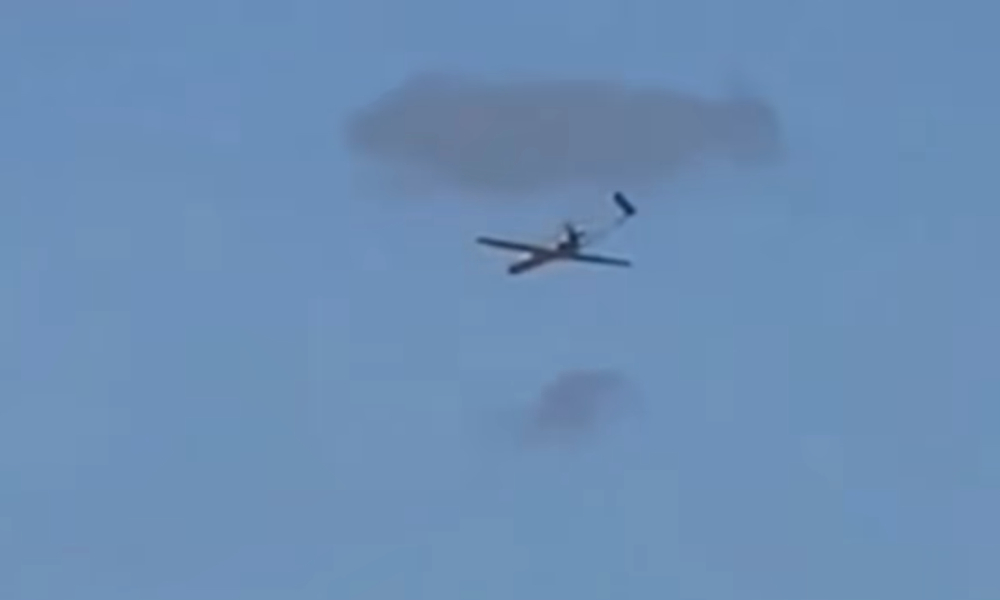
NATO fighter jets shot down a drone after it entered Lithuanian airspace shortly after midnight on Monday, triggering air-danger alerts in and around Vilnius, according to Lithuania’s public broadcaster LRT and comments from President Gitanas Nausėda cited by BNO News. The aircraft destroyed the drone roughly half an hour after it was detected, with authorities then dispatched to search for debris and assess what the drone was and what it could do.
Initial reporting said the drone appeared to have entered Lithuania from Belarus and was travelling west, an early clue that pushes investigators toward the familiar problem on NATO’s eastern flank: attribution is rarely immediate, but the practical burden lands instantly on the air-defence system. Even when there are no casualties or damage, each incursion forces a chain of costly actions—scrambling jets, issuing public alerts, and deploying police and military police to rural areas to recover fragments that may or may not clarify intent.
The incident also underlines how drones are changing the tempo of border pressure. A small unmanned aircraft can cross a frontier in minutes and still compel a response designed for manned aviation; the defender pays for readiness every day, while the intruder can experiment cheaply until a tactic works. Lithuania’s search for debris and assessment of “type, capabilities and intended target,” as BNO News described it, is the slow part of a fast event: the shootdown resolves the immediate airspace violation but not the question of why the drone was there.
Nausėda framed the response as a matter of regional readiness amid Russia’s intensified aggression against Ukraine, language that fits a broader pattern in which incidents near Belarus and Russia are treated less as isolated accidents and more as stress tests of alliance procedures. The practical test is whether alerts, identification, and rules of engagement stay consistent when events happen at night, near population centres, and with incomplete information.
For now, officials say there were no immediate reports of casualties or damage. The next concrete step is the debris field: Lithuanian authorities are looking for parts near where the drone was destroyed, and the classification of what they find will determine whether Monday’s incursion is logged as a one-off violation or as another data point in a persistent campaign.