
Oil surges after Hormuz vessel strike and Saudi pipeline shutdown
Euronews reports Brent above $108 as bypass route closes, shipping permission regimes replace open transit
Images
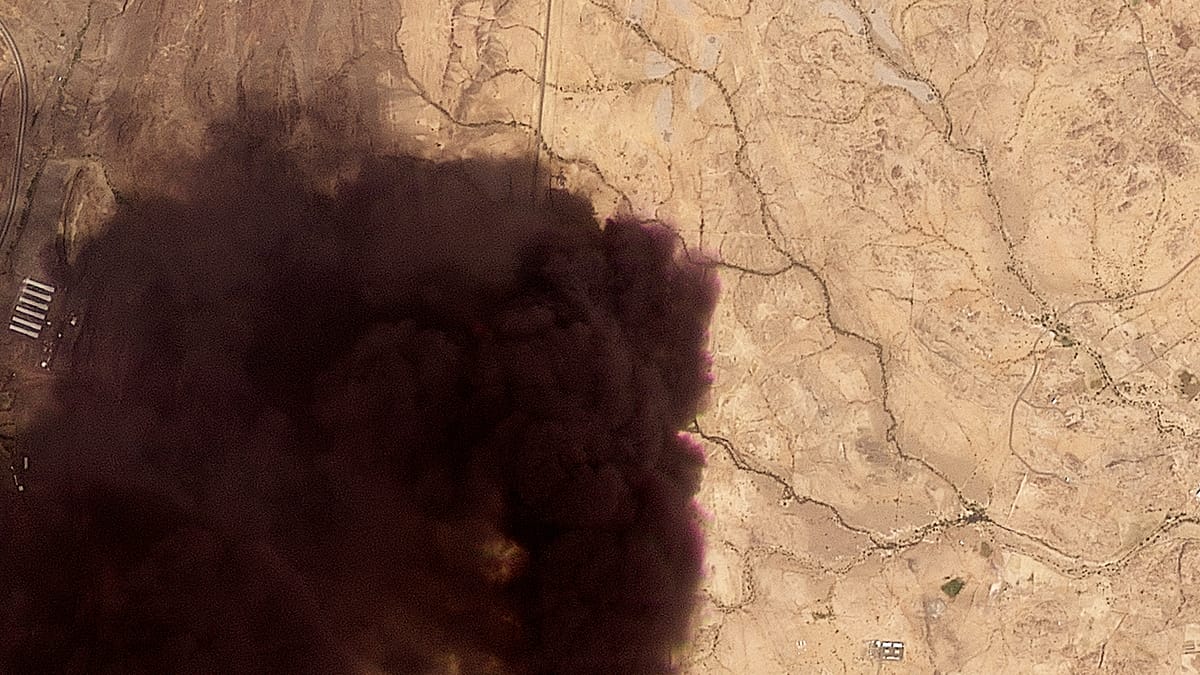 Oil surges past $108 after Hormuz attack and Saudi pipeline shutdown
euronews.com
Oil surges past $108 after Hormuz attack and Saudi pipeline shutdown
euronews.com
Oil prices jumped again after a merchant vessel was struck in the Strait of Hormuz and Saudi Arabia temporarily shut its main pipeline that allows exports to bypass the strait, according to Euronews. Brent crude climbed above $108 a barrel on Monday morning, while the US benchmark WTI rose to around $103, extending last week’s move back above $100. The immediate trigger was the combination of physical damage at sea and the loss of the most important alternative export route out of the Gulf.
The market reaction reflects how quickly risk in one chokepoint becomes a price on everything else. Euronews reports that passage through Hormuz now requires Iranian permission, and that Tehran is considering a mechanism to charge service fees for transit. That turns what was once a global commons into a toll road administered by a belligerent state, with insurers and shipping firms forced to price compliance, delay, and the chance of being targeted.
Saudi Arabia’s East–West pipeline matters because it is designed for precisely this scenario: moving crude to Red Sea ports without entering Hormuz. Euronews says the pipeline closure followed drone attacks and removes the main workaround at the moment the strait is described as dangerous. When the bypass is down, exporters and buyers lose optionality, and the marginal barrel becomes more expensive even if production has not changed.
The story also links oil to diesel, and diesel to politics. Euronews reports US diesel prices crossed $6 a gallon and gasoline prices averaged above $4, with analysts attributing lost diesel supply both to disruptions around Hormuz and to Russia’s ban on diesel exports after Ukrainian strikes on refinery targets. In that framing, refinery capacity—rather than crude production alone—becomes the bottleneck that reaches consumers first.
Euronews further reports that crude flows through Hormuz have fallen sharply from pre-war levels, and that the two wars have shut refineries representing millions of barrels a day of capacity. Those are the kinds of constraints that cannot be fixed by statements or summit communiqués, and they tend to persist longer than the news cycle that first announces them.
The immediate consequence is visible on trading screens, but it is enforced at sea: a strait where ships need permission to pass, and a pipeline that was built to avoid that strait sitting temporarily offline.