
UK anti-migrant vigilante groups multiply
Guardian counts at least 28 formed in 18 months and street actions spread to ports, police respond with mask orders and arrests
Images
 A group of men organised via the anti-migrant Patriot Platform gather in Dover on 5 September. Photograph: Ay_audits/Youtube
theguardian.com
A group of men organised via the anti-migrant Patriot Platform gather in Dover on 5 September. Photograph: Ay_audits/Youtube
theguardian.com
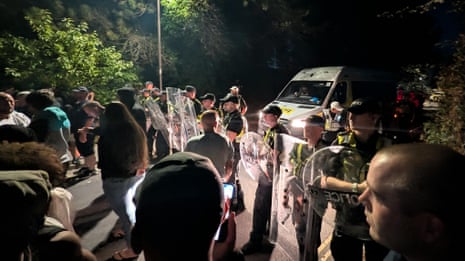 Riot police clash with far-right protesters in Portsmouth – video
theguardian.com
Riot police clash with far-right protesters in Portsmouth – video
theguardian.com
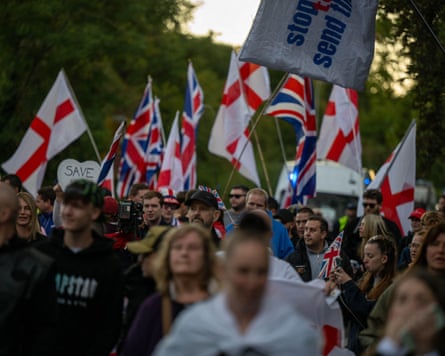 Anti-migrant demonstrators march in Epping, Essex, in September 2025. Photograph: Ian Davidson/Alamy Stock Photo/Alamy Live News.
Alamy Live News.
Anti-migrant demonstrators march in Epping, Essex, in September 2025. Photograph: Ian Davidson/Alamy Stock Photo/Alamy Live News.
Alamy Live News.
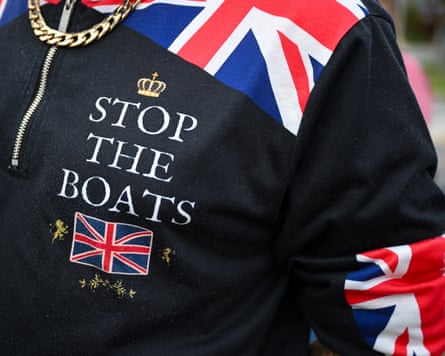 Patriot Platform hold a silent vigil at the RNLI station in Poole from where a volunteer crew rescued about 140 migrants last weekend. Photograph: Finnbarr Webster/Getty Images
theguardian.com
Patriot Platform hold a silent vigil at the RNLI station in Poole from where a volunteer crew rescued about 140 migrants last weekend. Photograph: Finnbarr Webster/Getty Images
theguardian.com
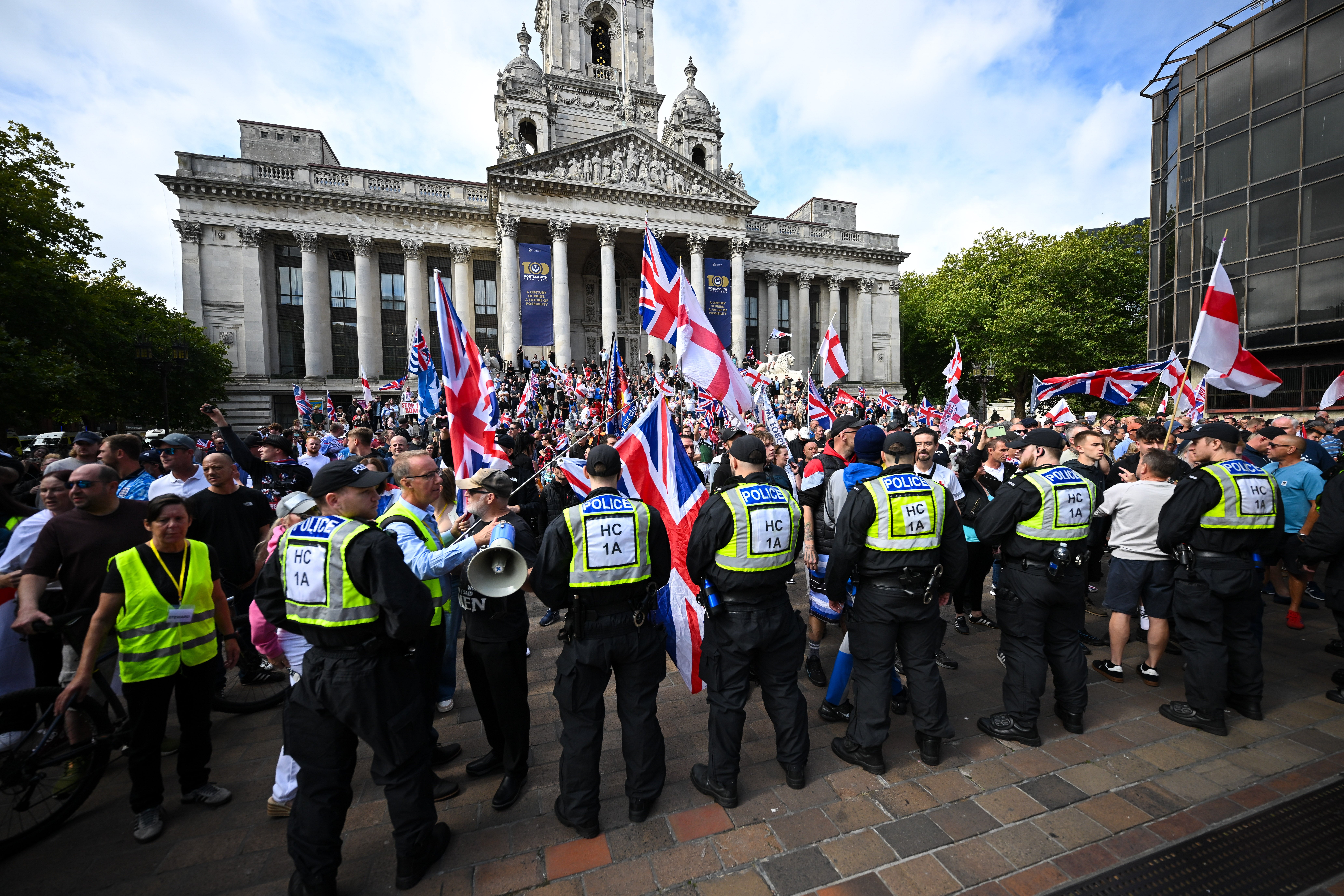 Demonstrators participate in an anti-migrant march in Portsmouth (Getty)
Getty
Demonstrators participate in an anti-migrant march in Portsmouth (Getty)
Getty
 Masked demonstrators were seen at an anti-migrant protests in Portsmouth and Dover last weekend (Getty)
Getty
Masked demonstrators were seen at an anti-migrant protests in Portsmouth and Dover last weekend (Getty)
Getty
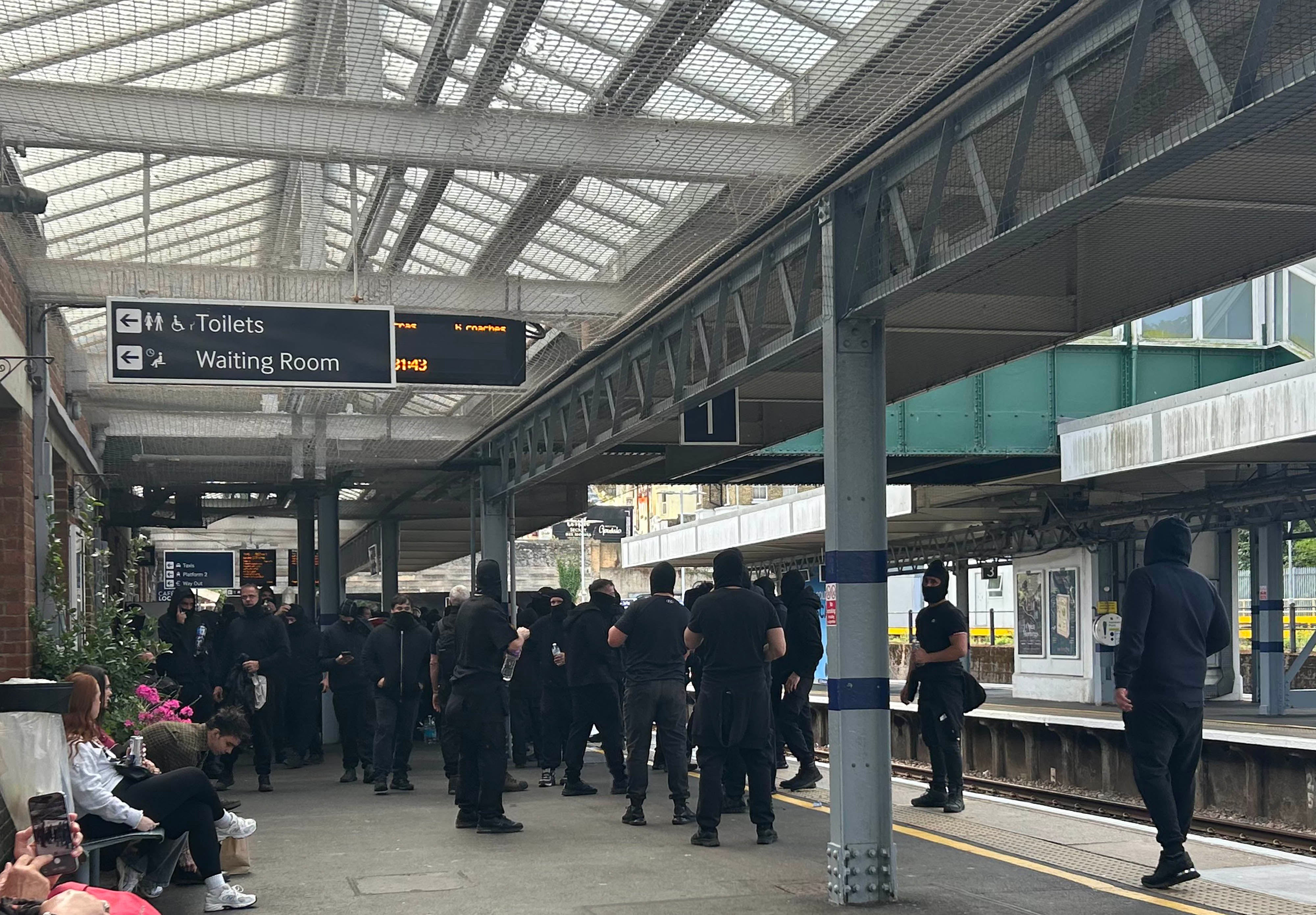 Protesters at Dover Priory train station after black-clad and masked anti-illegal migrant demonstrators blocked roads in Dover during a protest on 5 September (PA)
independent.co.uk
Protesters at Dover Priory train station after black-clad and masked anti-illegal migrant demonstrators blocked roads in Dover during a protest on 5 September (PA)
independent.co.uk
At least 28 anti-migrant vigilante groups have formed in the UK over the last 18 months, according to an analysis reported by The Guardian, with recent street actions in Portsmouth and near the port of Dover pushing the issue from online organising into public order policing. The groups range from self-styled “patrols” around asylum-seeker accommodation to activists travelling to northern France to try to disrupt small-boat crossings, and the reporting describes a sharp increase in formations since the summer of 2025.
The Guardian’s count draws on visible online activity, including Facebook and Instagram pages and domain registrations, and puts the surge in a timeline that tracks real-world flashpoints: unrest at an asylum hotel in Epping and a 2025 “flag operation” by a group called Raise the Colours. Some of the newer organisations present themselves as community safety initiatives rather than migration campaigns, but their recruitment language and targets are often migration-adjacent: night patrols in city centres “to protect women and girls,” or “deterrent” teams responding to public reports of alleged incidents involving migrants. One group, the British Security Project, describes itself as a civilian safety organisation while also advertising an ambition—on its own social media—to build a volunteer force in the tens of thousands over the next decade.
When groups move from posts to physical presence, the cost shifts to everyone else. The Independent reports that police made several arrests at an anti-immigration protest in Portsmouth on suspicion of offences including criminal damage and obstructing a highway, and that officers used powers to require removal of face coverings under a Section 60AA order. The same reporting describes police separating anti-immigration and anti-racism demonstrators, and notes that a police van was targeted. In Dover, The Guardian says a far-right group blocked roads for several hours, disrupting traffic to and from the port, and that Kent police initially said they had received no warning before later acknowledging officers failed to act on calls made the previous evening.
The political response described in the reporting is largely operational rather than strategic. The home secretary, Shabana Mahmood, urged senior officers to use their powers against such groups, while police forces focused on mask rules and public order offences. Meanwhile, the groups’ own messaging leans on a familiar claim: that they are filling gaps left by the state, whether in policing or border control, while also insisting—when challenged—that they have no enforcement powers and do not permit intimidation or discrimination.
In Portsmouth, the Independent notes, police were stopping face coverings in a city centre square while protesters traded advice online about hats, sunglasses, and “war paint” as workarounds.