
Brokers cash in on Syria Lebanon border crossings
Euronews reports Syrians pay hundreds to thousands for entry paperwork, official fees remain capped at 75 dollars
Images
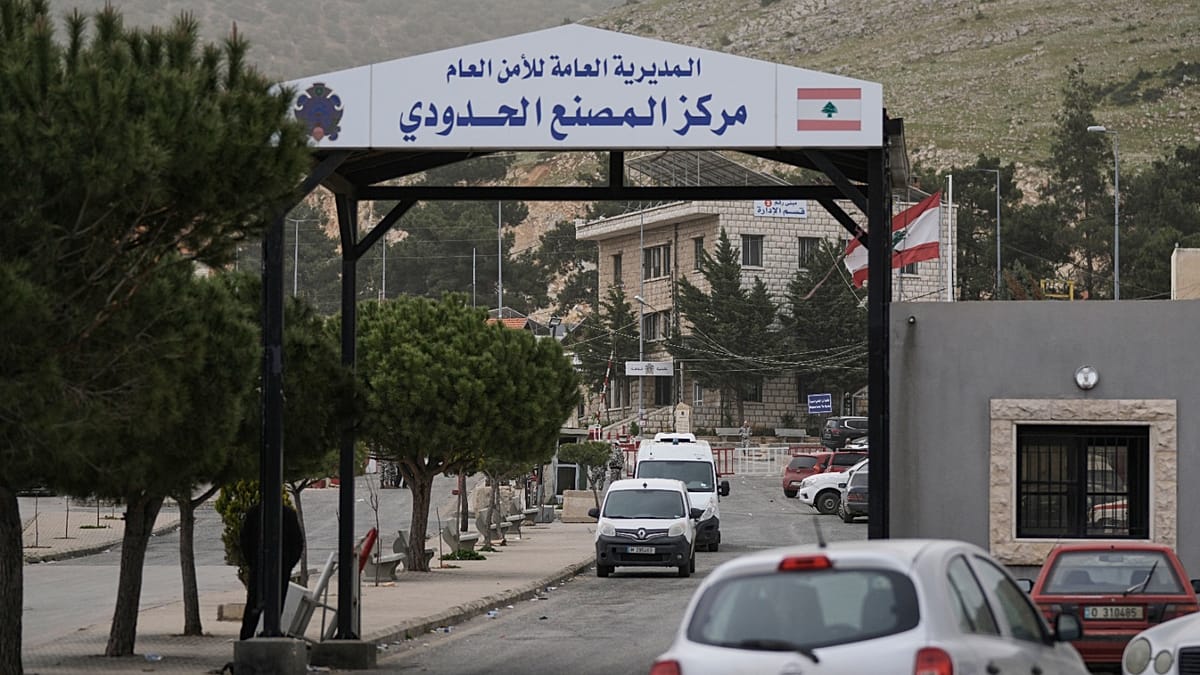 Shadow broker- fixer network exploits Syrians at Lebanon border
euronews.com
Shadow broker- fixer network exploits Syrians at Lebanon border
euronews.com
A shadow market has formed on the Syria–Lebanon border, where Syrians now routinely pay hundreds or thousands of dollars to cross with paperwork that is officially supposed to cost at most $75. According to Euronews, brokers, travel agencies and “fixers” sell packaged entry solutions that range from about $180 for a 48-hour stay to roughly $4,700 for an annual residency arrangement.
The business thrives on a widening gap between Lebanon’s formal rules and the practical reality of getting through the crossing. Euronews reports that entry procedures tightened over several years and then “sharply” after the fall of Bashar al-Assad in December 2024, with complications now concentrated on the Lebanese side. The product being sold is not just paperwork but discretion: travelers are warned not to tell Lebanese General Security personnel that a driver or agency arranged their documents, because that can lead to the driver’s arrest and a ban from Lebanon.
The pricing structure mirrors the risks and the bottlenecks. A driver on the Damascus–Beirut route described a chain in which travel agencies in Damascus coordinate with paperwork fixers at the crossing and partners in Beirut, splitting the spread between official fees and what travelers actually pay as bribes or kickbacks. Brokers also monetize uncertainty around requirements such as proof of cash reserves, hotel bookings or onward airline tickets, offering to “bypass” them for a fee. Even where the state sets clear penalties, the result is another revenue stream: Euronews notes severe overstay fines and bans, turning a short permit into a costly trap for anyone whose plans change.
The border economy is also being shaped by physical damage and rerouting. Euronews says Israeli air strikes before Assad’s fall destroyed the Daboussieh and Arida crossings, which remain closed, forcing vehicles from Syria’s coastal cities onto longer inland routes via Homs, Qusayr, Hermel and Baalbek. Longer journeys mean higher transport costs, more time exposed to checkpoints and delays, and more opportunities for intermediaries to charge for “solutions.”
Lebanon’s domestic pressures sit behind the clampdown. The country hosts an estimated 1.5 million Syrian refugees, Euronews reports, and authorities cite strain on public services and the labor market as reasons to restrict entry. The tightening does not remove demand to travel; it changes who can travel cheaply.
At the crossing, the official fee schedule still exists on paper. The prices Syrians describe paying suggest that the real tariff is now collected by the people who can make the paperwork work.