
Cargo ship fire kills at least 25 in Qingdao
Vessel docked for repairs at China State Shipbuilding subsidiary yard, rescue directives arrive after all missing found dead
Images
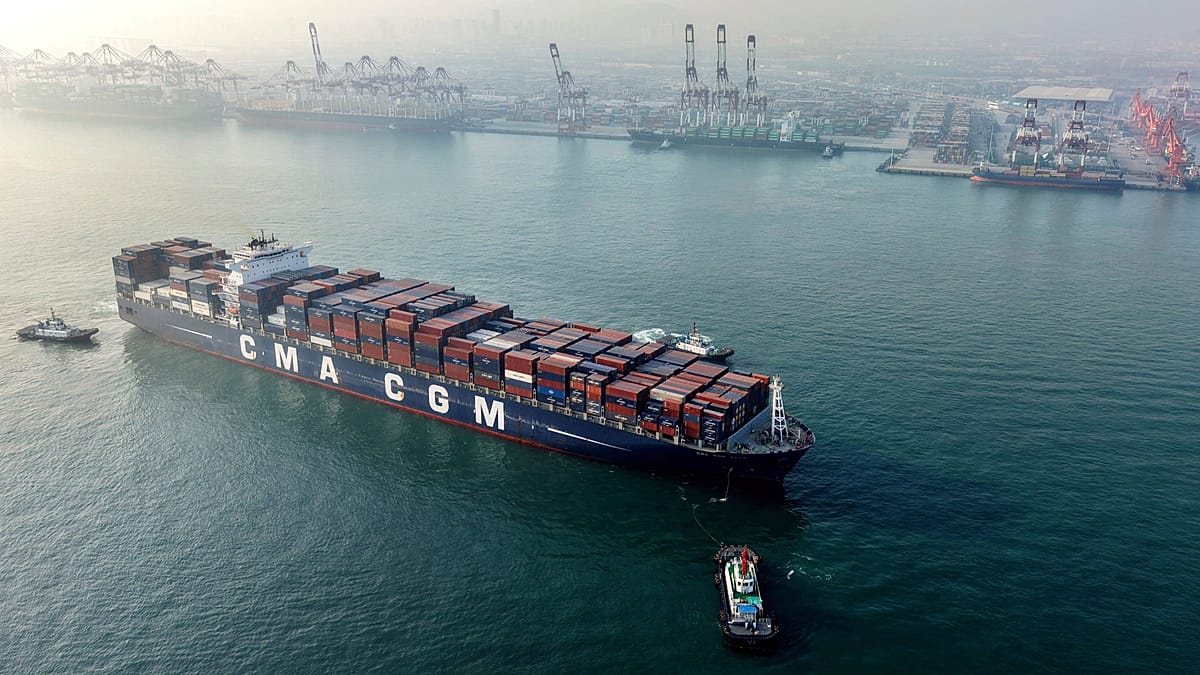 25 killed after international cargo ship docked in China catches fire
euronews.com
25 killed after international cargo ship docked in China catches fire
euronews.com
Twenty-five people were found dead after a fire broke out on an international cargo ship docked for repairs at the port of Qingdao in eastern China, according to state media cited by Euronews. Forty-two people were on board; 17 were evacuated, including five who were injured. The blaze began late morning and was extinguished in the afternoon, with CCTV later reporting that all those initially listed as missing had been located with no signs of life.
The ship, identified by Chinese state media as the Ocean Melody and listed by vessel-tracking site VesselFinder as sailing under a Liberian flag, caught fire while alongside a major shipyard, Qingdao Beihai Shipbuilding. The yard operates under China State Shipbuilding Corporation, one of the country’s flagship state-owned industrial groups, and Qingdao is a key node in China’s northern shipping network. That combination—an international-flagged vessel, a state-linked repair facility, and a port that handles large volumes of trade—makes the incident more than a local industrial accident.
Ship-repair work concentrates risk: enclosed spaces, hot work, temporary cabling, paint and solvents, and shifting responsibility between ship operators, yard management, subcontractors and inspectors. When something goes wrong, the paperwork can be as complex as the machinery, and liability can blur across corporate borders and flags of convenience. The public response described by Euronews followed a familiar pattern in China’s heavy industry: top-level directives to “learn lessons,” investigate, and eliminate hazards, with President Xi Jinping and Premier Li Qiang issuing instructions emphasizing rescue, medical care, and prevention of secondary disasters.
For global supply chains, the immediate question is not only whether this ship’s schedule is disrupted, but whether the port’s repair and servicing capacity tightens in the days ahead. Qingdao’s role as a shipping hub means any operational slowdown—extra inspections, temporary restrictions, or a cautious pause in yard activity—can ripple outward, especially for vessels awaiting maintenance. The longer-term question is whether the investigation changes day-to-day practices in a sector where speed and cost control often decide who wins contracts.
By early evening, CCTV said the missing had all been found. The ship was in port for repairs, and the fire ended with a casualty count that left no margin for procedural explanations.