
English sparkling winemakers bring harvest forward
Nyetimber starts picking grapes on 14 September after scorching summer, beer supply warnings follow barley yields hit by drought
Images
 Workers pick chardonnay grapes for Hattingley Valley Wines near Cottonworth in Hampshire in the summer of 2018. Photograph: Andrew Matthews/PA
theguardian.com
Workers pick chardonnay grapes for Hattingley Valley Wines near Cottonworth in Hampshire in the summer of 2018. Photograph: Andrew Matthews/PA
theguardian.com
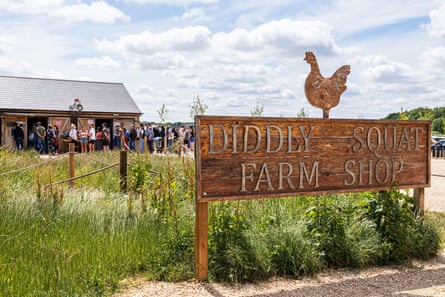 Diddly Squat Farm in Chipping Norton, Oxfordshire is run by Hogan and Clarkson. Photograph: Stephen Dorey/Alamy
theguardian.com
Diddly Squat Farm in Chipping Norton, Oxfordshire is run by Hogan and Clarkson. Photograph: Stephen Dorey/Alamy
theguardian.com
Nyetimber will start picking grapes on 14 September, its earliest harvest since the English sparkling-wine producer planted its first vines in 1988, according to The Guardian. After a scorching summer that ripened fruit quickly, the company says the 2026 crop could qualify as a “vintage year”, even as late spring frosts cut into yields.
The same weather that pushes one niche product up the value chain is pushing staples the other way. The Guardian reports that beer sellers are warning of shortages after drought and heat hit barley yields across much of England, with the Agriculture and Horticulture Development Board saying the 2023 barley harvest could be the worst on record and running 19% below average. Wine grapes, especially those grown for sparkling styles, can benefit from long sunny spells that raise sugar concentration; barley does not get to charge more per pint when the harvest shrinks.
Nyetimber’s harvest plan hints at the quiet industrialisation behind what is marketed as pastoral craft. The company says it operates 11 vineyards across West Sussex, Kent and Hampshire and has recruited 500 pickers for the 2026 harvest, targeting almost 2,500 tonnes of grapes that could translate into more than 1.5 million bottles. Its head winemaker, Cherie Spriggs, told the paper that frosts affected almost 30% of the crop and drought reduced berry size, but that heat and sunshine may still produce strong quality.
The wider pattern is that “good” climate outcomes are arriving as narrow, localised windfalls that depend on timing, varietals and the ability to mobilise labour quickly, while “bad” outcomes land as broad input shocks. When a vineyard can bring forward harvest by days, it captures value; when a barley farmer cannot irrigate, the loss is spread through brewers, pubs and consumers. The UK’s provisional Met Office data cited by The Guardian puts the summer among the hottest on record, with temperatures peaking at 38.1°C at Kew Gardens in London on 13 August 2023, and scientists quoted by the paper linking such heatwaves to fossil-fuel-driven warming.
Nyetimber’s earliest ever picking date is now on the calendar. The barley crop, the Agriculture and Horticulture Development Board says, is still coming in below average.