
ECB raises deposit rate to 2.5%
Energy inflation jumps as Strait of Hormuz fighting lifts oil above 100 dollars, core prices cool while borrowing costs rise anyway
Images
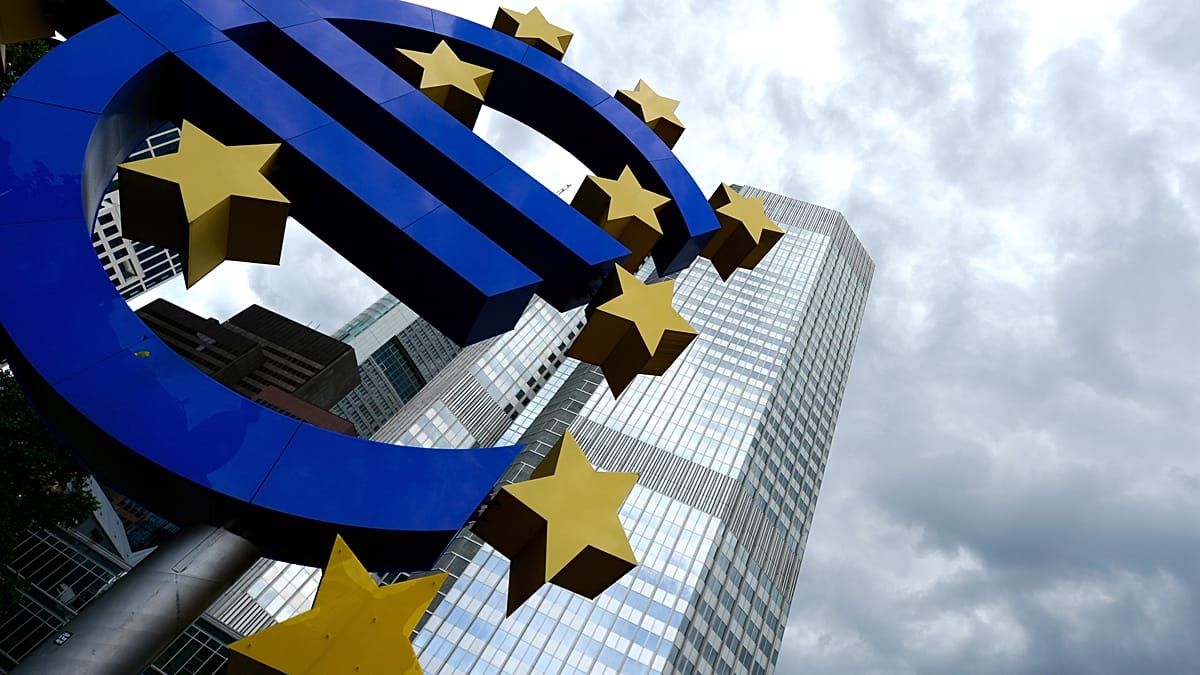 ECB raises rates to 2.5% as energy costs bite
euronews.com
ECB raises rates to 2.5% as energy costs bite
euronews.com
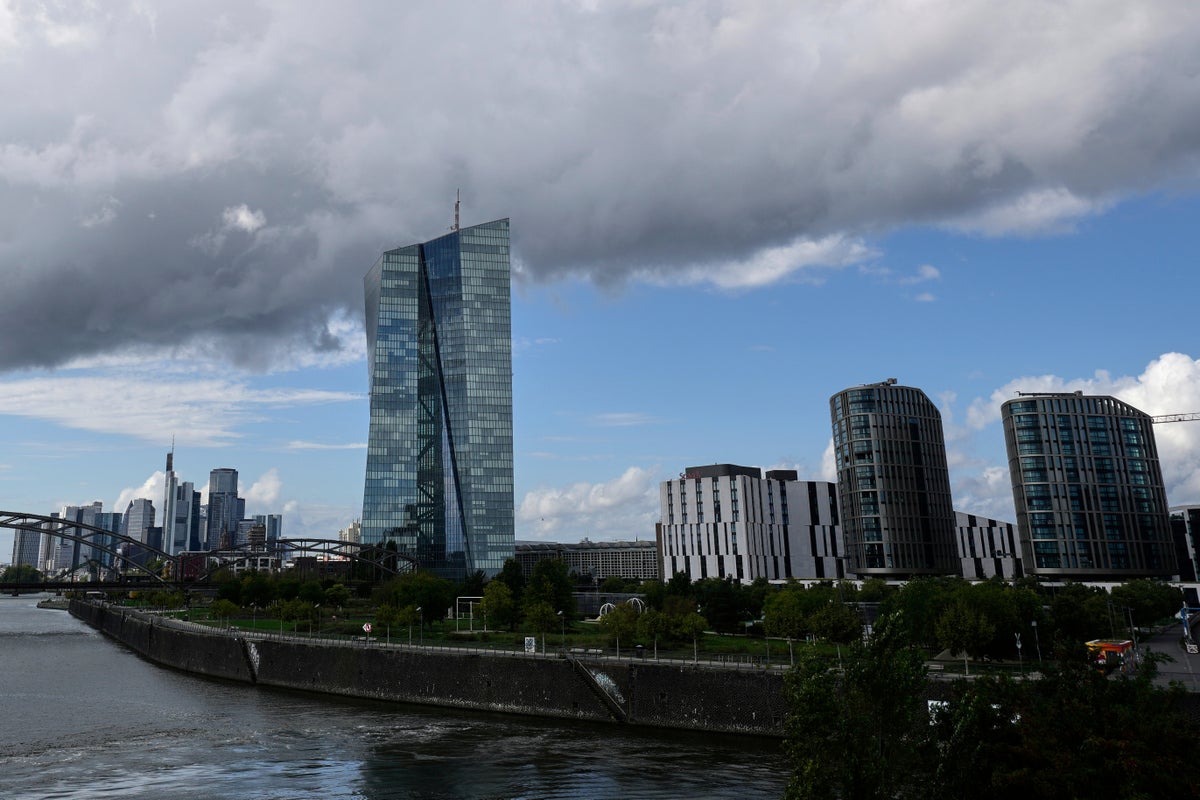 European Central Bank raises interest rates a quarter point to quell energy-fueled inflation
independent.co.uk
European Central Bank raises interest rates a quarter point to quell energy-fueled inflation
independent.co.uk
The European Central Bank raised its key deposit rate to 2.5% on Thursday, tightening policy as eurozone inflation re-accelerated on the back of the Middle East energy shock. According to Euronews, the ECB lifted the deposit facility rate from 2.25% and also increased its main refinancing and marginal lending rates, framing the move as a response to inflation pressures linked to fighting around the Strait of Hormuz.
The headline inflation problem is again being set by fuel and shipping risk rather than by domestic overheating. Eurozone inflation rose to 3.3% in August from 2.9% in July, while energy inflation jumped to 14.3% from 10.3%, Euronews reports. At the same time, core inflation eased to 2.4% and services inflation fell to 3%, a split that makes the central bank’s job both simpler and more politically exposed: higher rates do little to add oil supply, but they do raise borrowing costs for households and firms across the currency union.
The ECB’s own analysis, cited by Euronews, points to adverse energy supply factors as the dominant driver of the earlier rise in energy inflation, with demand and public-policy stimulus playing smaller roles. That diagnosis matters because it implies the inflation impulse is arriving from outside the eurozone’s control, yet the stabilisation tool remains domestic credit conditions. The bank described the outlook as “highly uncertain”, and its staff projections—prepared roughly two weeks before the meeting—do not include the latest oil-price moves or the recent surge in European government bond yields, Euronews notes.
The same shock is also producing different outcomes inside the bloc. Euronews highlights August inflation at 4.5% in Spain versus 2.9% in Germany and 2.7% in France, despite all three facing the same energy-price backdrop. That divergence tends to push policy debates away from aggregate inflation and toward national questions—wage deals, fiscal buffers, and how much of the cost can be shifted to consumers—while the ECB can only set one rate.
The rate decision lands amid a broader global tightening bias. The Independent notes that higher ECB rates feed through banks first and then into lending costs across the economy, while other central banks, including the US Federal Reserve and the Bank of England, face their own inflation dilemmas in the shadow of higher oil prices.
The ECB now calls 2.5% “neutral”, but it is raising rates because oil has again climbed above $100 a barrel and tanker traffic through Hormuz is under threat. The policy lever is in Berlin and Frankfurt; the price shock is at sea.