
Chinese electric two-wheelers flood African markets
Customs data show North Africa driving import surge while East Africa builds battery-swapping ecosystems, proprietary systems risk locking riders into closed networks
Images
 Chinese electric bike imports surge as Africa’s EV investments diversify
independent.co.uk
Chinese electric bike imports surge as Africa’s EV investments diversify
independent.co.uk
China’s exports of electric motorcycles and three-wheelers to Africa jumped in the first half of 2026, with North African countries leading a surge in imports, according to reporting by The Independent. The paper cites Chinese customs data showing a 60% rise in the continent’s imports of electric motorcycles and three-wheelers to $114.6 million, with Morocco, Egypt and Algeria the biggest destinations.
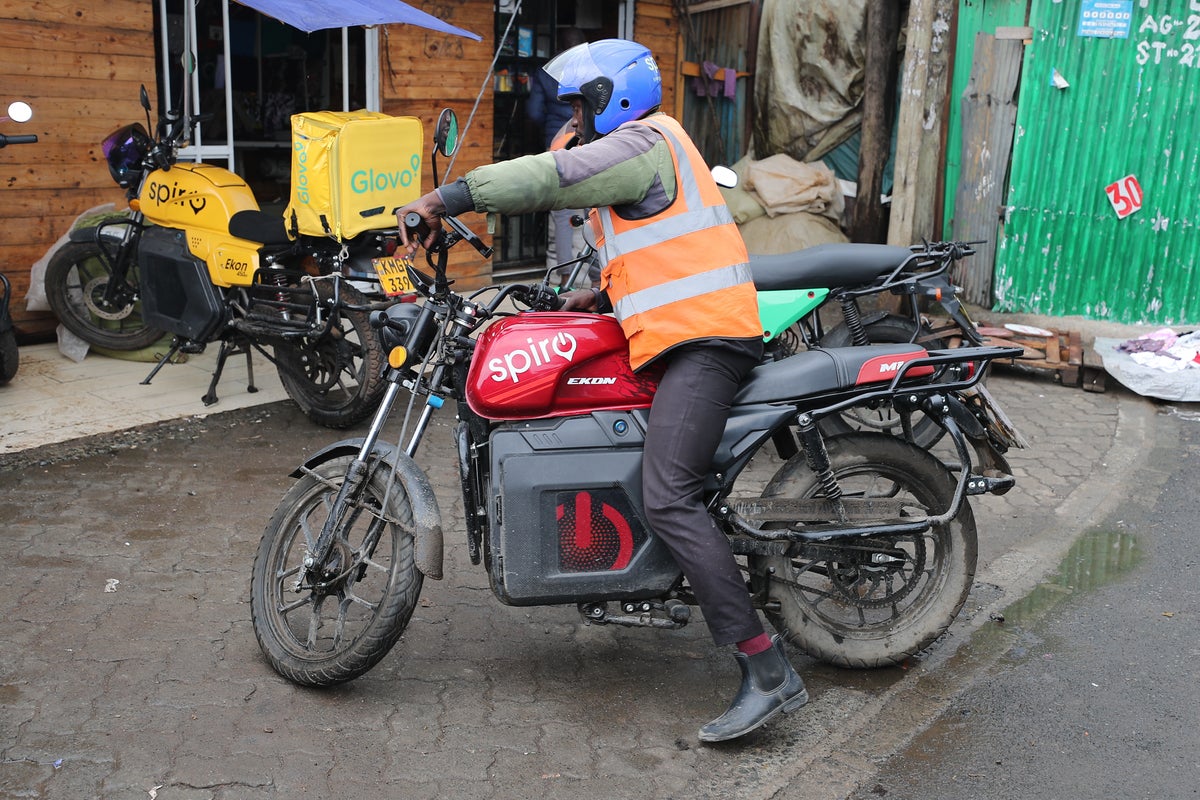
The shift matters because two- and three-wheelers are not a niche segment in much of Africa: they are the backbone of informal logistics and paid transport, and often a household’s primary income-producing asset. The Independent describes a split market. In North Africa, Chinese shipments are largely fully built electric scooters and mopeds bought for commuting and short trips, according to electric two- and three-wheeler specialist Peter Kossakowski. In East and West Africa, motorcycles are frequently worked hard—up to about 150 kilometers a day, Kossakowski told the paper—moving passengers and goods in motorcycle taxi and delivery networks.
That difference helps explain why investment is clustering further south even as import volumes are concentrated in the north. The Independent reports that EV startup funding is concentrated in East and Central Africa, where companies are building local assembly plants and, crucially, battery-swapping networks designed around commercial riders who cannot afford downtime. Battery swapping turns the “range problem” into a logistics problem: riders exchange depleted batteries for charged ones in minutes, keeping daily earnings flowing.
But the same closed-loop swapping systems that make electrification workable can also trap the sector in fragmentation. The Independent notes that operators often rely on proprietary batteries, connectors and software, preventing riders from moving between networks. That limits scale for local battery production and can depress resale values, leaving riders dependent on a single operator’s pricing and service discipline.
The economic prize is not primarily climate branding; it is the fuel bill. The Independent cites estimates that widespread electrification of motorcycles could displace roughly $600 million in fuel imports in Uganda and between $600 million and $800 million in Kenya. Tom Courtright of the African Tech Futures Lab told the paper electric motorcycles are more likely to replace petrol bikes than expand the overall motorcycle market, implying a direct contest over recurring fuel spending rather than a new wave of discretionary vehicle ownership.
For now, the supply chain remains mostly imported. The Independent reports that in East and West Africa, much of the industry is still assembly rather than full manufacturing, with motors, controllers and battery cells largely coming from abroad while local production focuses on simpler parts such as frames and seats. Chinese customs data, the paper cautions, records what enters a country, not necessarily what is registered or used there.
Morocco’s customs tally—80,188 units worth $21.7 million in the first half of 2026, according to The Independent—captures the speed of the shift. Whether African operators can standardise batteries and build durable local servicing networks will determine how much of the savings stays on the continent.