
Colombia and US sign Barranquilla Agreements
Rubio visit resets ties after Petro era, reconstruction pitch arrives with minerals and security agenda
Images
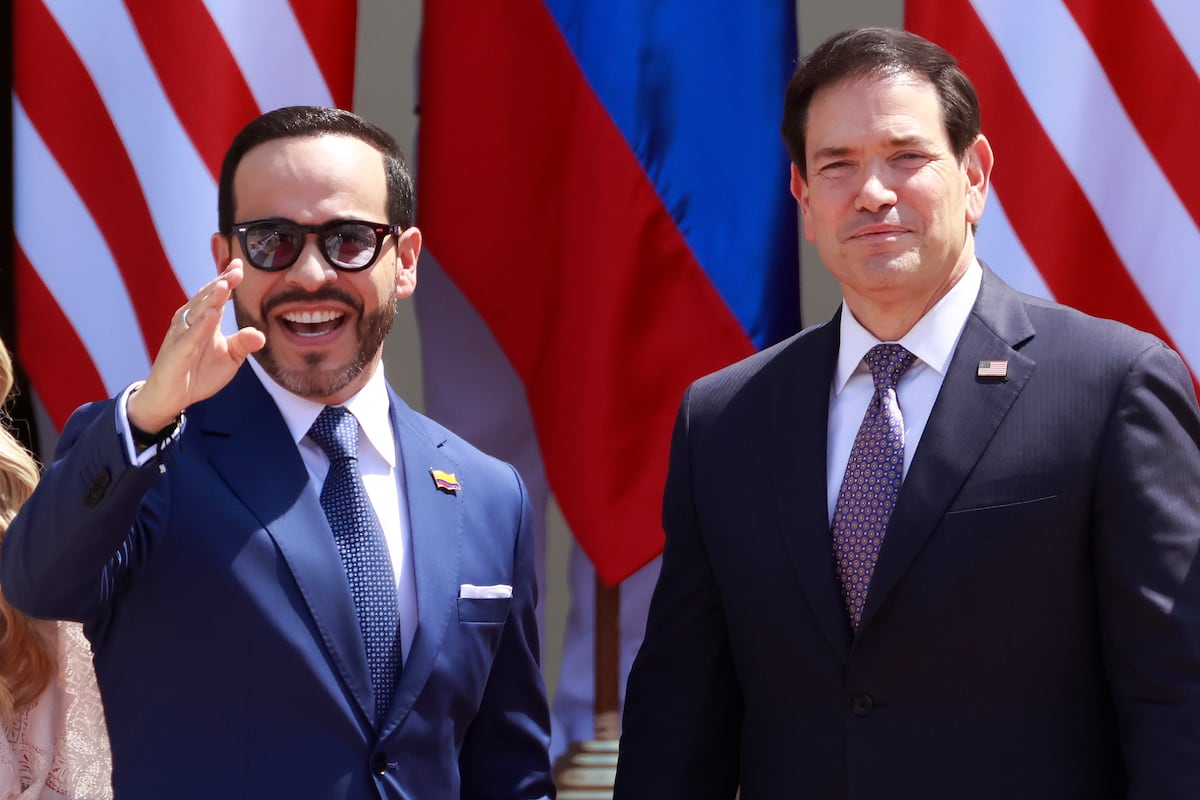 De la Espriella and Rubio relaunch Colombia–US ties with security and investment agenda
english.elpais.com
De la Espriella and Rubio relaunch Colombia–US ties with security and investment agenda
english.elpais.com
Colombia and the United States have signed two new memorandums of understanding after U.S. Secretary of State Marco Rubio visited President Abelardo de la Espriella at his home in Barranquilla on September 8, according to El País. The package—branded by both sides as the Barranquilla Agreements—pairs post-earthquake reconstruction talk with a renewed security agenda and a bid to attract U.S. capital.
The meeting was staged as a reset after years of friction under former president Gustavo Petro. Rubio, who said he has known De la Espriella from before he entered politics, framed the Petro period as an “anomaly” in an otherwise close relationship, according to El País and Spanish-language outlet Voz. De la Espriella, inaugurated only weeks ago, tied the diplomatic pivot to the country’s immediate needs after the August earthquake, promising “fiscal discipline” and improved “legal certainty” as the price of foreign investment.
The investment pitch is being packaged with strategic supply-chain language. One memorandum covers cooperation on critical minerals and rare earths; El País notes it does not grant U.S. mining rights, but it explicitly positions Colombia as a “reliable partner” for clean-technology and advanced-industry inputs at a time when Washington is trying to reduce dependence on China-dominated supply chains. A second memorandum opens a “technical, gradual, and responsible” dialogue on civilian nuclear energy applications, the Colombian foreign ministry said.
Security, however, sits at the center of the new relationship. Both Rubio and De la Espriella highlighted drug trafficking as a core focus, and De la Espriella presented a “21st-Century Patriot Plan” to modernize radar systems, drones and intelligence capabilities, El País reports. He said Colombia would contribute its own resources but is seeking U.S. financial support—an arrangement that would shift the balance of who pays upfront for Colombian capacity while Washington gains a larger role in what Bogotá defines as hemispheric security.
Voz adds that De la Espriella confirmed Colombia’s operational entry into a U.S.-led regional security alliance called the Shield of the Americas, and that its headquarters would be located in Medellín. If that structure materializes, it would turn a diplomatic reset into physical infrastructure—staff, budgets, procurement and the long tail of dependencies that come with joint command posts and shared systems.
Rubio’s visit ended with signatures by Colombia’s foreign minister Omar Bula and a set of memorandums that point in two directions at once: toward housing and energy projects after a national disaster, and toward deeper integration with Washington’s security and industrial priorities.