
Finland completes 200-kilometre fence on Russia border
Migration surge and hybrid-war claims reshape Nordic security policy, EU funding is sought after the bill arrives
Images
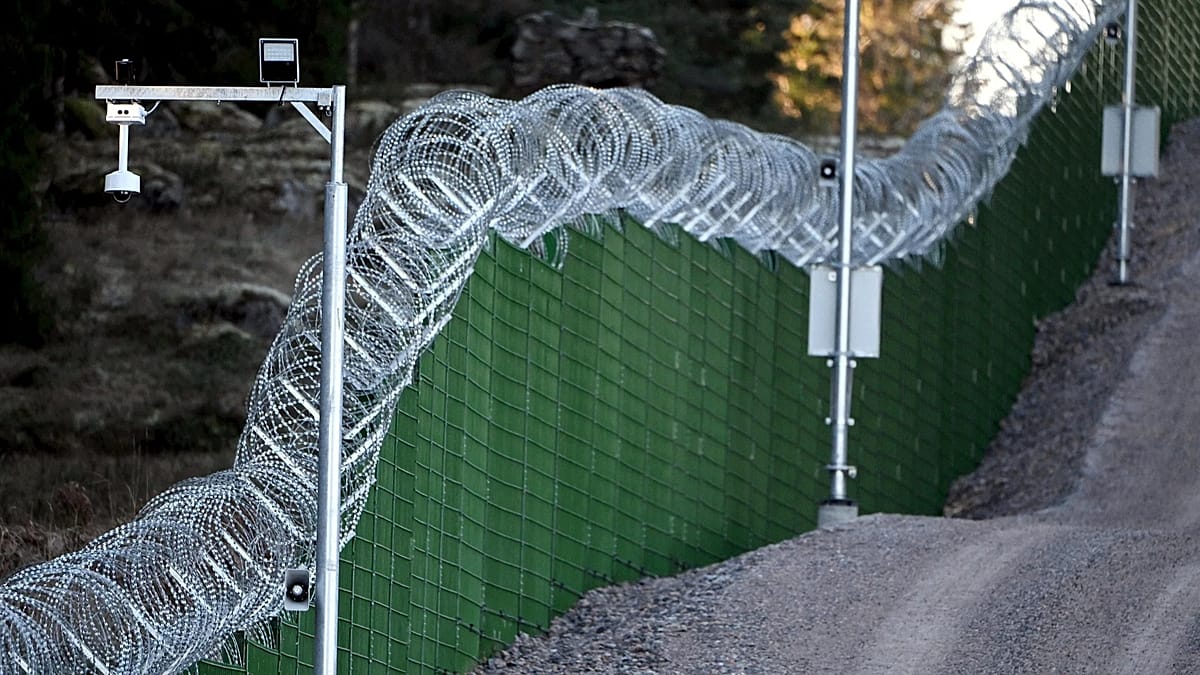 Finland completes work on 200km fence along border with Russia
euronews.com
Finland completes work on 200km fence along border with Russia
euronews.com
Finland has completed a 200-kilometre security fence along its border with Russia, a project launched after Moscow’s full-scale invasion of Ukraine and Helsinki’s subsequent decision to join Nato. According to Euronews, the barrier covers only part of Finland’s 1,340-kilometre frontier, but it is concentrated in the southeast where crossings and transport links have historically been densest.
The fence is 4.5 metres high and fitted with cameras and sensors, and Finland’s Border Guard describes it as a practical tool for managing sudden crowd movements. The immediate trigger was the arrival of more than 1,300 migrants without visas at Finland’s eastern border in 2023, a surge Helsinki said was encouraged by Moscow as a form of “hybrid warfare” — an accusation the Kremlin denied. Finland shut its land border with Russia in late 2023; it briefly reopened two crossings in December that year, but the border has remained closed since.
A physical barrier is a visible answer to a problem that is partly administrative: if people can be moved to a crossing point in large numbers, the receiving state must either process them or change the rules. Finland has proposed extending its Border Security Act to the end of 2028, legislation that allows restrictions on receiving asylum applications in limited border areas under exceptional circumstances. Legal experts have warned, Euronews reports, that the law risks breaching Finland’s international obligations and EU law — a reminder that the hardest part of border control in the EU is often not building fences but aligning domestic emergency measures with supranational constraints.
The economics are explicit. The fence cost €356 million to build and is expected to cost €2–3 million a year to maintain. Interior Minister Mari Rantanen said the fence could be extended further and called for greater EU financial support for countries on the bloc’s eastern frontier. That request mirrors a broader pattern across Europe: states facing the operational costs of deterrence seek to share the bill, while the political consequences of failure — sudden arrivals, emergency accommodation, and legal disputes — remain national.
At the Nuijamaa crossing, Rantanen described the situation as tense but calm. The fence now stands as a fixed asset on a border that remains officially closed.