
Ceuta president asks EU for tougher stance on Morocco
Brussels mission planned after July migrant surge, border pressure turns into a budget request
Images
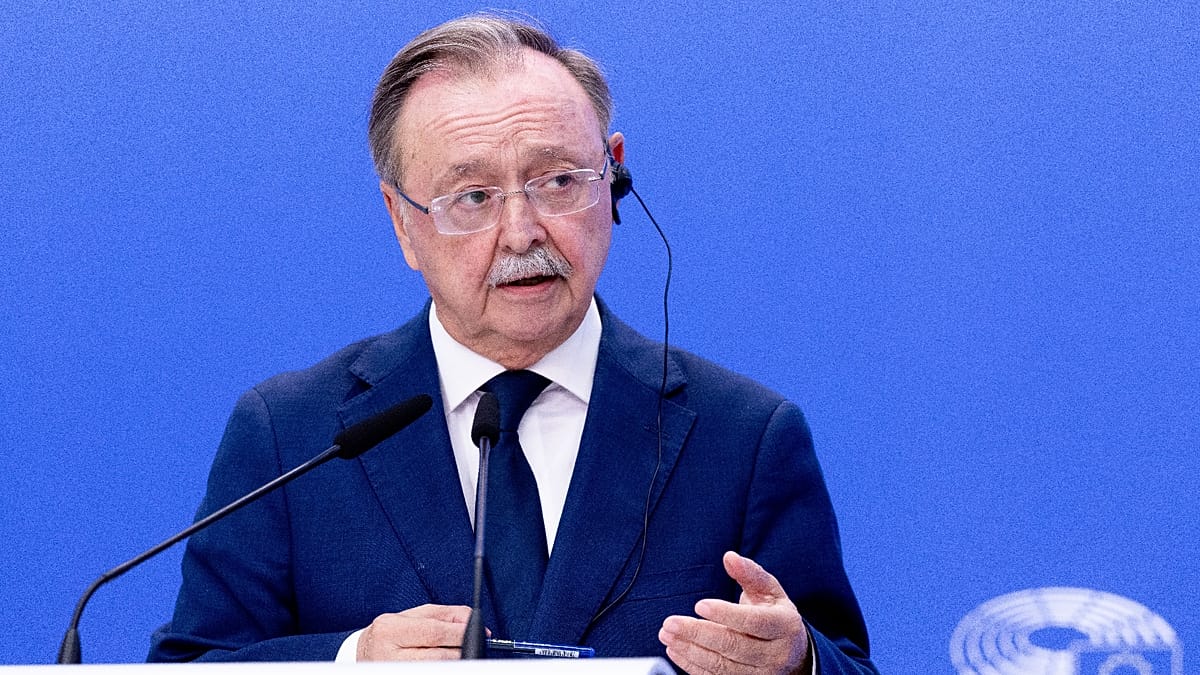 Ceuta President calls on the EU for a strong response against Morocco
euronews.com
Ceuta President calls on the EU for a strong response against Morocco
euronews.com
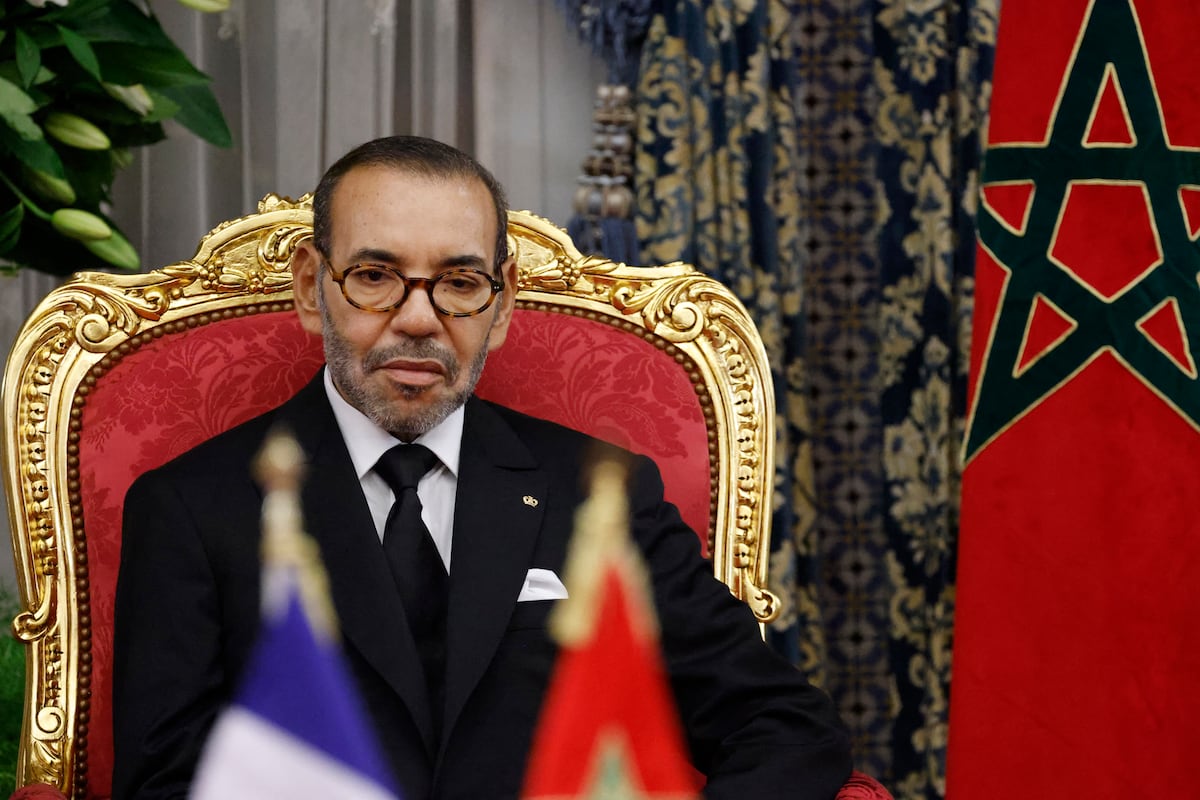 Morocco grows bolder thanks to Trump’s (and Israel’s) support
english.elpais.com
Morocco grows bolder thanks to Trump’s (and Israel’s) support
english.elpais.com
Ceuta’s president Juan Jesús Vivas travelled to Brussels this week asking the European Union for money, personnel and a tougher line on Morocco after a late-July surge that saw a huge number of migrants enter the Spanish exclave. According to Euronews, Vivas told EU commissioners the city is “on the brink of collapse” and warned residents live with the fear of another sudden influx. El País reports that Rabat’s growing diplomatic backing — including US recognition of Moroccan sovereignty over Western Sahara at the end of 2020 — has coincided with a more assertive Moroccan foreign policy and revived sovereignty claims over Ceuta and Melilla.
The immediate dispute is about border control, but the mechanics are financial and bureaucratic. Spain continues to describe Morocco as a “trusted partner” on irregular migration, and the European Commission shares that position, even as Vivas questions why Madrid refuses to hold Rabat responsible “directly or through inaction” for the July event, Euronews writes. EU financing for Morocco’s migration-management strategy runs to 2027, with Euronews citing €160 million; Vivas did not call for suspending those funds, unlike Spain’s Vox, but asked Brussels to pay instead for Ceuta’s border infrastructure and humanitarian response. The request amounts to shifting the cost of a pressure point on Europe’s only land borders with Africa from a small local administration to national and EU budgets.
El País frames Morocco’s room for manoeuvre as the product of external patronage and diplomatic wins. Trump’s Western Sahara move, described by one Morocco specialist as bypassing the UN and appearing improvised, helped lock in Rabat’s autonomy plan as the negotiating baseline later endorsed in a UN Security Council resolution in 2025, according to the paper. Morocco’s normalisation with Israel was part of that trade, and it has since become Africa’s largest arms importer over the past five years, El País reports — a signal to neighbours and to Europe that it can raise the temperature without looking isolated. In Spain, the July influx landed in the middle of an election season, with El País noting it helped mobilise voters ahead of the country’s September legislative vote.
The EU’s answer so far is procedural. Euronews says commissioners expressed support but made no specific commitments, while the Commission plans to send a technical mission to Ceuta to assess needs. Vivas is asking for permanent deployments of the EU asylum agency and Frontex, and for a “special status” for Ceuta and Melilla inside the EU — a formalisation of what the July episode already demonstrated: decisions taken in Rabat, Madrid and Brussels determine how many people a small strip of territory must absorb.
In Brussels, Vivas asked for more EU presence on the ground and more EU money for the fence. The Commission’s next step is a technical visit.