
Israel bans 12 British MPs from entry
Uk sanctions target West Bank settlement trade and services, consulate closure turns policy dispute into operational rupture
Images
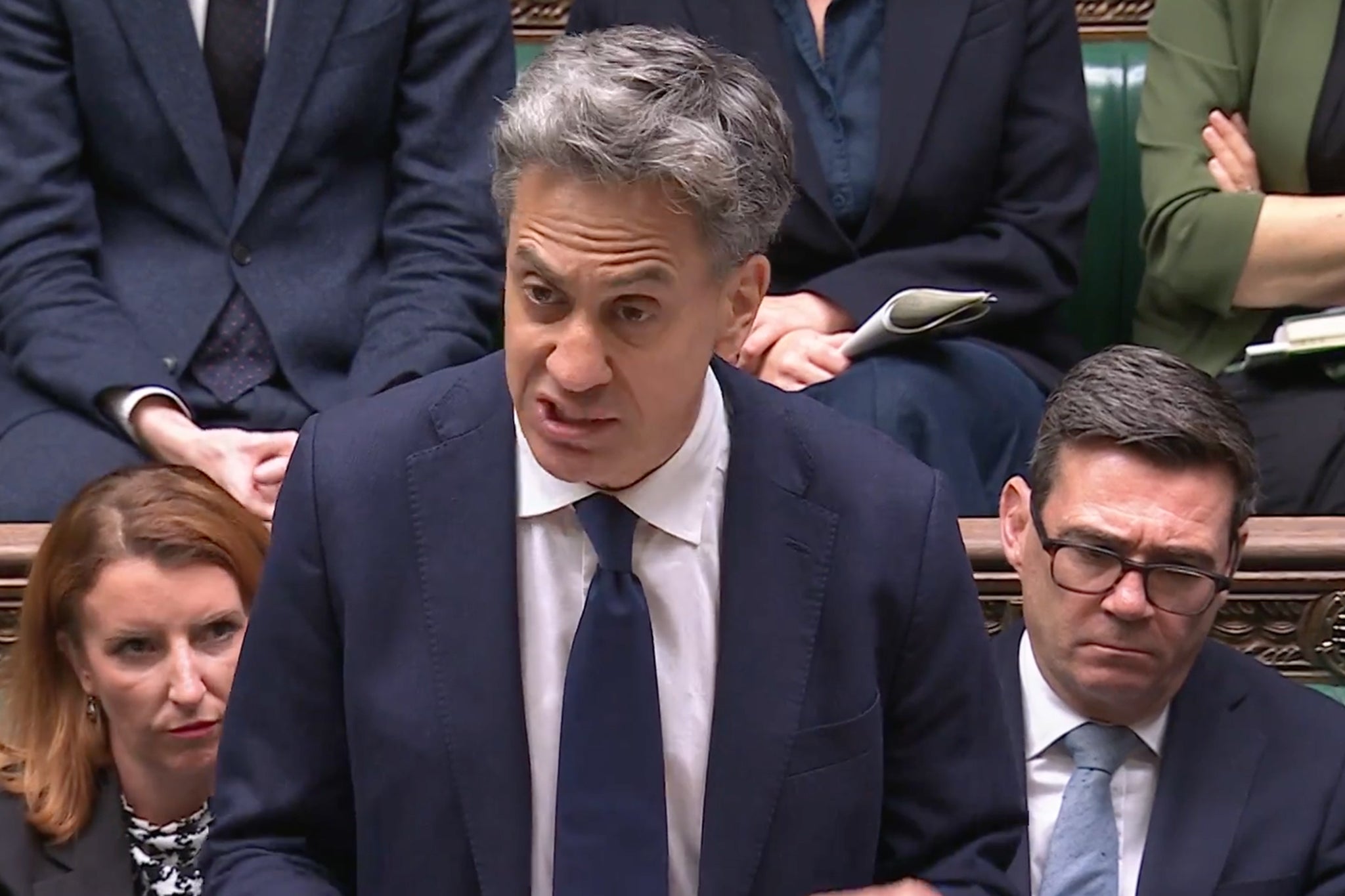 Foreign Secretary Ed Miliband announced sanctions against illegal West Bank settlements in Israel in parliament. (Parliament TV)
Parliament TV
Foreign Secretary Ed Miliband announced sanctions against illegal West Bank settlements in Israel in parliament. (Parliament TV)
Parliament TV
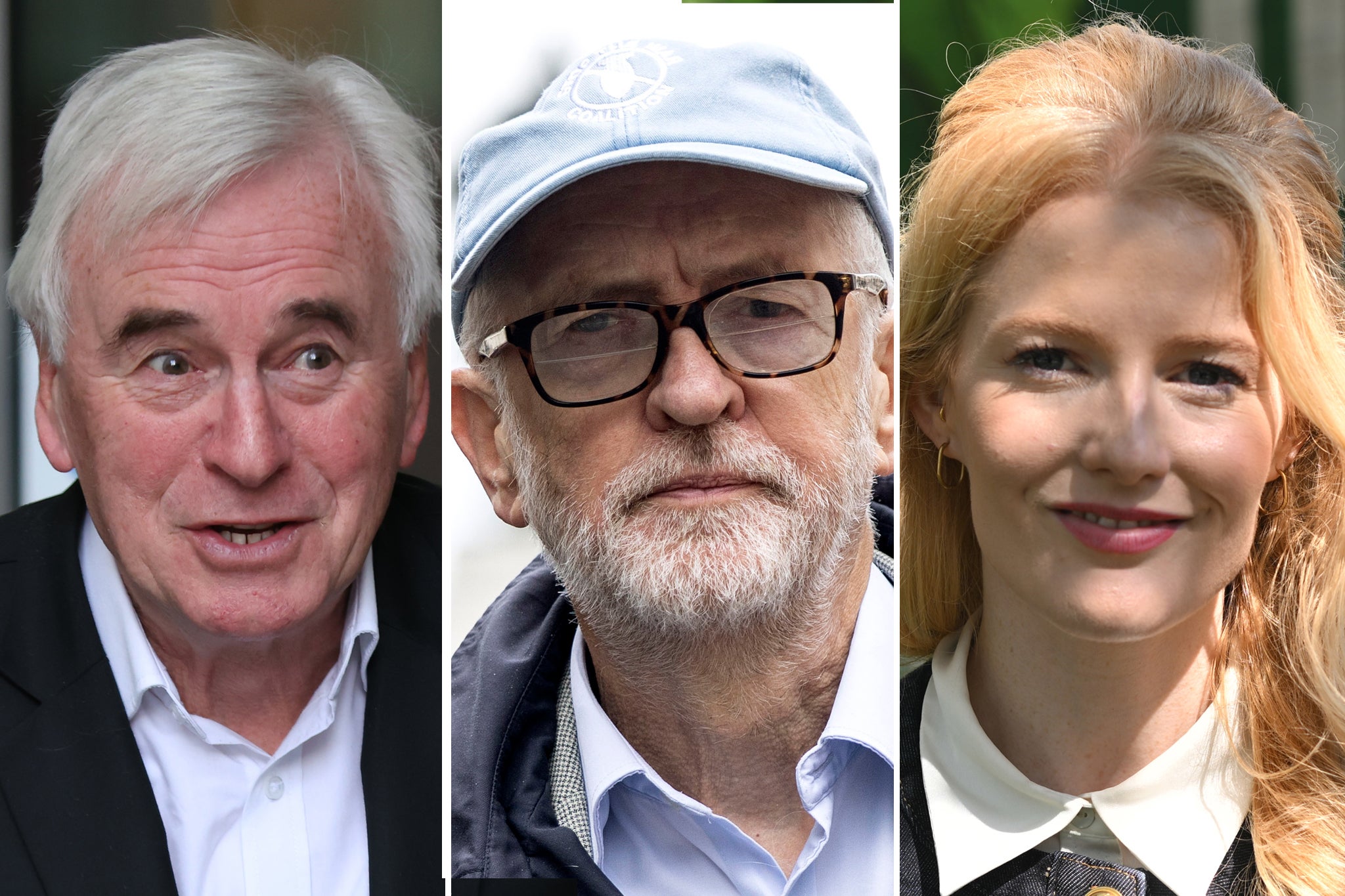 Labour MP John McDonnell, Your Party MP Jeremy Corbyn and Green Party MP Hannah Spencer are among the 12 MPs barred from entering Israel. (Getty)
Getty
Labour MP John McDonnell, Your Party MP Jeremy Corbyn and Green Party MP Hannah Spencer are among the 12 MPs barred from entering Israel. (Getty)
Getty
 Israeli foreign minister Gideon Saar claimed the Labour government has been hostile towards Israel since it came to power in 2024. (AFP/Getty)
AFP/Getty
Israeli foreign minister Gideon Saar claimed the Labour government has been hostile towards Israel since it came to power in 2024. (AFP/Getty)
AFP/Getty
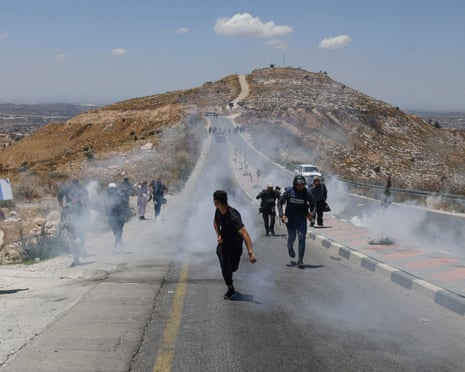 Palestinian landowners, journalists and protesters run from teargas fired by Israeli security forces blocking a road leading to a newly built Israeli settlement near Dura in the West Bank in June. Photograph: Hazem Bader/AFP/Getty Images
theguardian.com
Palestinian landowners, journalists and protesters run from teargas fired by Israeli security forces blocking a road leading to a newly built Israeli settlement near Dura in the West Bank in June. Photograph: Hazem Bader/AFP/Getty Images
theguardian.com
 UK foreign secretary announces sanctions on trade with Israeli West Bank settlements – video
theguardian.com
UK foreign secretary announces sanctions on trade with Israeli West Bank settlements – video
theguardian.com
Israel has barred 12 British MPs and campaigners from entering the country and announced further restrictions on UK official activity, after Britain moved to sanction trade linked to Israeli settlements in the occupied West Bank. According to The Independent, Israel’s foreign minister Gideon Saar said the ban was a response to what he described as hostile actions by the Labour government, and he accused the named individuals of anti-Israeli and antisemitic activity. The Guardian’s UK politics live blog reported Israel will also close the UK consulate in Jerusalem and end British involvement in training Palestinian Authority forces in the West Bank.
The immediate dispute is over Britain’s attempt to raise the cost of settlement expansion without breaking diplomatic relations outright. The Guardian reports that Foreign Secretary Ed Miliband paired a sweeping package—an import ban on goods from illegal settlements, restrictions on services such as construction and financing, and new limits on advertising settlement properties in the UK—with language that goes beyond past British formulations, calling settler violence “ethnic cleansing” and saying the occupation is unlawful in its entirety. Israel’s reply does not merely reject the accusations; it targets the channels through which Britain projects influence on the ground: consular presence in Jerusalem, participation in a US-led Gaza coordination mission, and security assistance tied to the Palestinian Authority.
The list of barred figures, including high-profile MPs such as Jeremy Corbyn and Diane Abbott, turns a policy row into a domestic political event in the UK. That makes escalation easier for both sides: Israel can frame the dispute as a response to specific individuals rather than a rupture with Britain as a state, while UK politicians can convert travel bans into proof of principle and a fundraising narrative. The Independent reports the Green Party, whose MPs are among those banned, said it would not be “bullied into silence” and urged the government to go further, including an arms embargo.
Britain, meanwhile, is signalling that settlement-linked commerce and services are now fair game for sanctions architecture typically used against hostile states and designated actors. The Guardian notes Miliband expects legislation to enforce the trade ban and sanctions to be in place within months, implying a shift from ministerial announcements to durable legal mechanisms. If that happens, the dispute moves from rhetoric and reciprocal snubs to compliance questions for banks, insurers, contractors and advertisers—entities that tend to avoid grey zones once penalties are specified.
Israel’s announced measures were delivered as a press statement and a list of names, and Britain’s response is now being tested in whether it can keep sanctions on paper while its consulate doors in Jerusalem are ordered shut.