
Houthis strike Saudi energy sites and wound 73 people
Saudi coalition says facilities hit in Abha Jazan Najran and Khamis Mushait, oil market reacts to disruption that only has to be plausible
Images
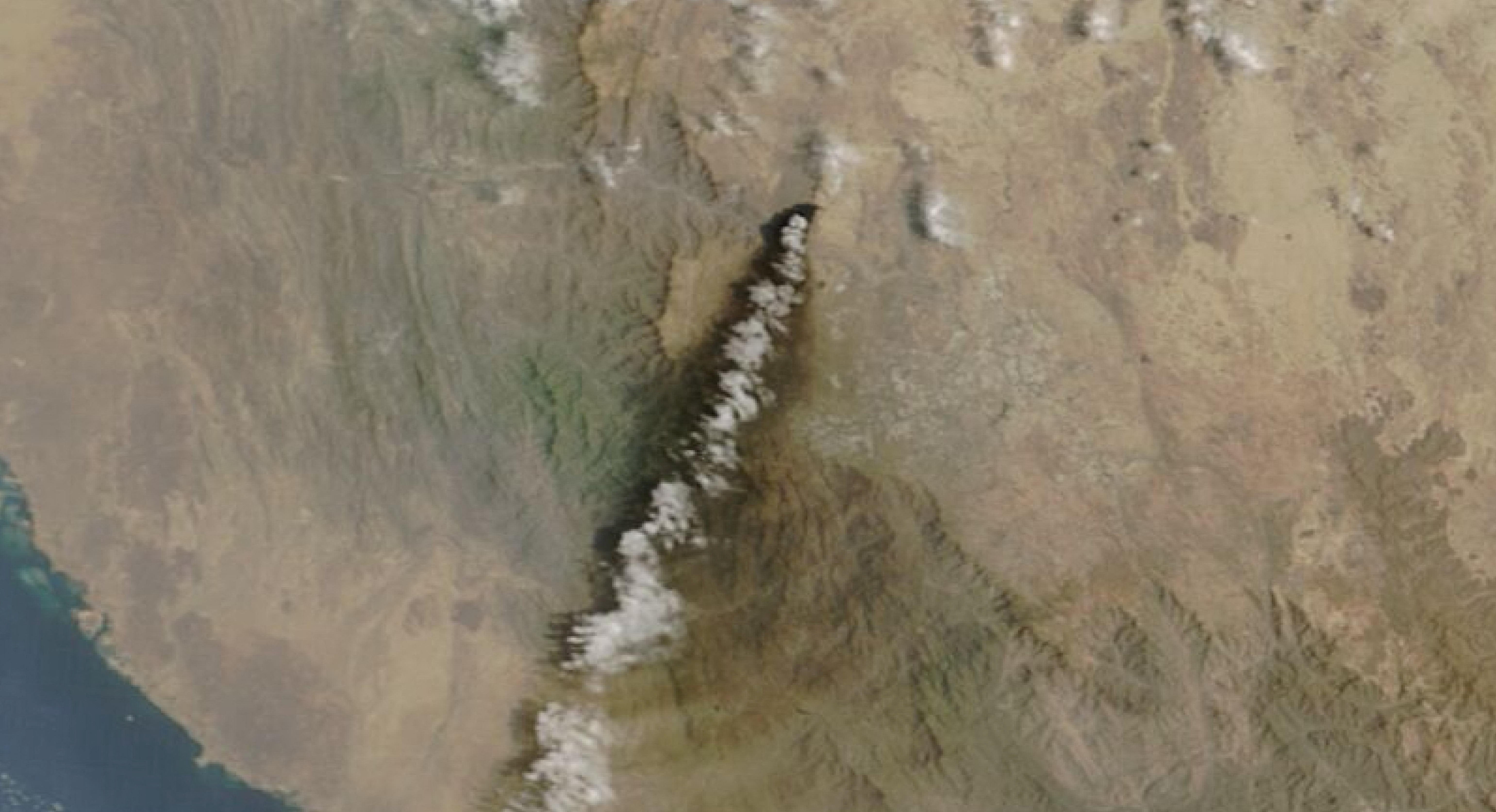 A satellite image shows smoke rising from the Saudi Aramco distribution centre, after what the Saudi-led coalition in Yemen said were attacks by Yemen's Iran-aligned Houthis, in Abha Bulk, Saudi Arabia, in this handout image obtained by Reuters on September 8 (Reuters)
Reuters
A satellite image shows smoke rising from the Saudi Aramco distribution centre, after what the Saudi-led coalition in Yemen said were attacks by Yemen's Iran-aligned Houthis, in Abha Bulk, Saudi Arabia, in this handout image obtained by Reuters on September 8 (Reuters)
Reuters
 independent.co.uk
 independent.co.uk
 independent.co.uk
 independent.co.uk
Houthi strikes on southern Saudi Arabia wounded 73 people and knocked some energy operations offline, according to a Reuters report carried by The Independent, as Riyadh’s coalition promised a “firm response” and listed attacks on Abha, Khamis Mushait, Jazan and Najran. Saudi Arabia’s energy ministry said multiple facilities were hit, with fires reported and some operations temporarily halted. A Houthi spokesperson, Yahya Sarea, said the group would soon announce a broader operation “deep into” the kingdom.
The attacks widen a war that has increasingly treated energy infrastructure and shipping lanes as pressure points rather than collateral. The Houthis, who control the most populous parts of Yemen and much of the north, have framed their recent campaign as a “naval blockade” of Saudi Arabia since July, with strikes also aimed at Saudi-linked vessels in the Red Sea. Saudi Arabia, meanwhile, is being pulled into the same arithmetic now shaping the Gulf: a small number of drones and missiles can force expensive defensive postures, disrupt routine operations, and push insurance and security costs into every barrel that leaves the region.
The Reuters report situates the escalation alongside renewed US-Iran exchanges of fire after a calmer August, with Tehran also threatening further “economic warfare” and speaking of new restricted zones in the Gulf intended to squeeze traffic through the Strait of Hormuz. That linkage matters because the market impact does not require sustained outages; it only requires enough uncertainty to reprice risk. The Independent notes Brent crude rose more than 2% on Tuesday to above $99 a barrel, a move driven as much by expectations of future disruption as by the immediate damage.
For Saudi Arabia, the immediate decision is how hard to respond without inviting a cycle that turns routine energy logistics into a standing military problem. For the Houthis, the payoff is visibility and leverage: attacks that reach into Saudi cities demonstrate reach, while forcing Riyadh and its partners to spend heavily on air defence and repairs. The wider cost is paid by shippers, refiners and ultimately consumers, as premiums and delays accumulate in a region where multiple routes and facilities are now treated as bargaining chips.
Saudi officials said fires broke out at the struck sites and that some operations were temporarily halted. A satellite image cited in the report showed smoke rising from a Saudi Aramco distribution centre in Abha Bulk.