
Ukraine prosecutor general resigns amid corruption probe
NABU and SAPO allege prosecutors took bribes from fraudulent call centres and laundered proceeds, office search and Kozyn property claims shadow wartime governance
Images
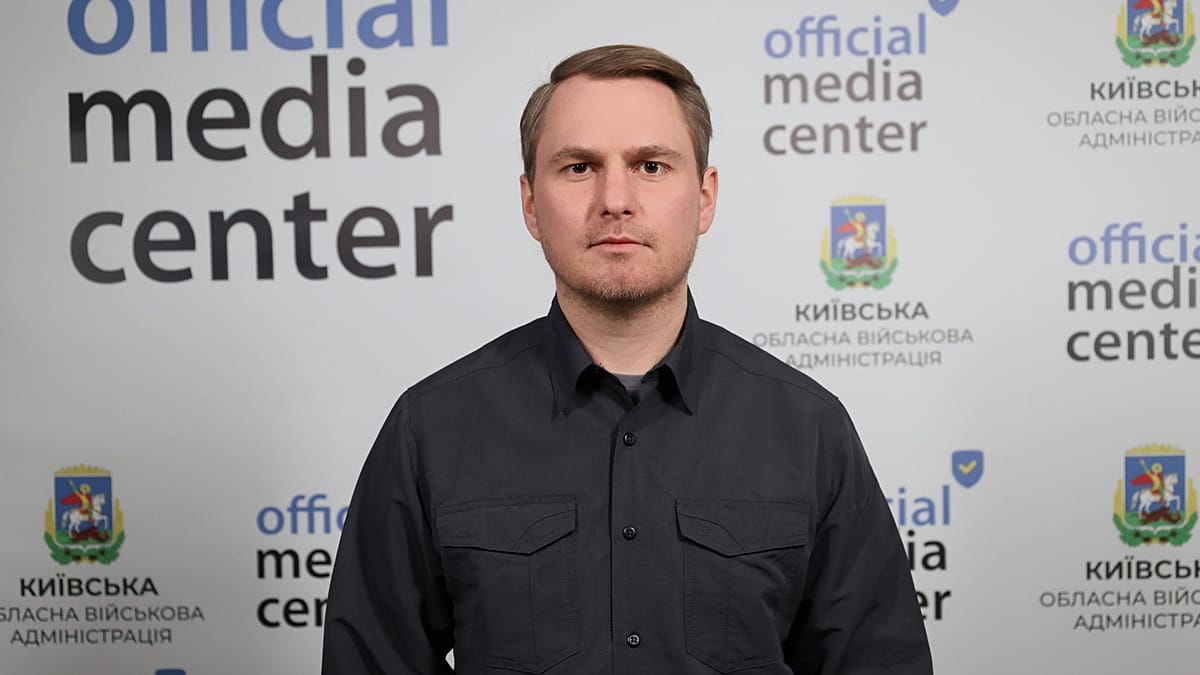 Ukraine's prosecutor general resigns amid major graft investigation
euronews.com
Ukraine's prosecutor general resigns amid major graft investigation
euronews.com
Ukraine’s prosecutor general Ruslan Kravchenko has resigned as investigators probe alleged bribery and money laundering inside his office, according to Euronews. Ukraine’s anti-corruption agencies NABU and SAPO say they uncovered a criminal group that took payments from fraudulent call centres in exchange for allowing them to operate without interference. The resignation was submitted to President Volodymyr Zelenskyy and parliament, with Kravchenko calling it a “political decision” and denying wrongdoing.
The case, as described by NABU and SAPO, centres on prosecutors and outside associates who allegedly collected regular bribes and then washed the proceeds through property purchases, assets registered to other people, and bank accounts held by intermediaries. Investigators say the group was created in mid-2025 and have identified five alleged members. Among those detained is Serhii Kropyva, a deputy head of the prosecutor general’s international co-operation department; Ukraine’s High Anti-Corruption Court ordered him held in custody until 2 November and set bail at €2.32 million. Prosecutors allege Kropyva laundered assets worth more than €1.7 million and have suspended him from his duties.
Kravchenko has not been named as a suspect, but the investigation has reached uncomfortably close to the top of the institution. Euronews reports that Kravchenko’s office was searched and that NABU released recordings referring to a “boss” with a patronymic that matches Kravchenko’s details, including his earlier role heading the State Tax Service. In court, a SAPO prosecutor described a close relationship between Kropyva and Kravchenko. Case materials allege Kropyva arranged repair work at a house in Kozyn, an affluent area south of Kyiv where Kravchenko lives; Kravchenko says his family rents the property.
The episode lands in a familiar place for Ukraine’s wartime governance: institutions that must reassure foreign backers while operating under emergency pressures and vast flows of spending. Anti-corruption bodies have been built, funded, and politically protected in part to keep that external confidence intact, yet their work also exposes how easily “operational” discretion can be sold when prosecutors decide which businesses get raided and which are left alone. Fraudulent call centres are a particularly telling client: they generate cash quickly, depend on predictable non-enforcement, and can share proceeds in a way that looks like routine “facilitation” until it becomes a criminal file.
Kravchenko said he resigned so the prosecutor general’s post would not become an instrument of political confrontation. NABU and SAPO, meanwhile, say the alleged scheme ran for more than a year and involved serving prosecutors.
A deputy head of the prosecutor general’s office is now in custody while the prosecutor general himself has stepped down.