
Former Air Force secretary accuses Pete Hegseth of Pentagon culture of fear
Resignations and blocked promotions deepen leadership churn, impeachment talk turns internal governance into campaign material
Images
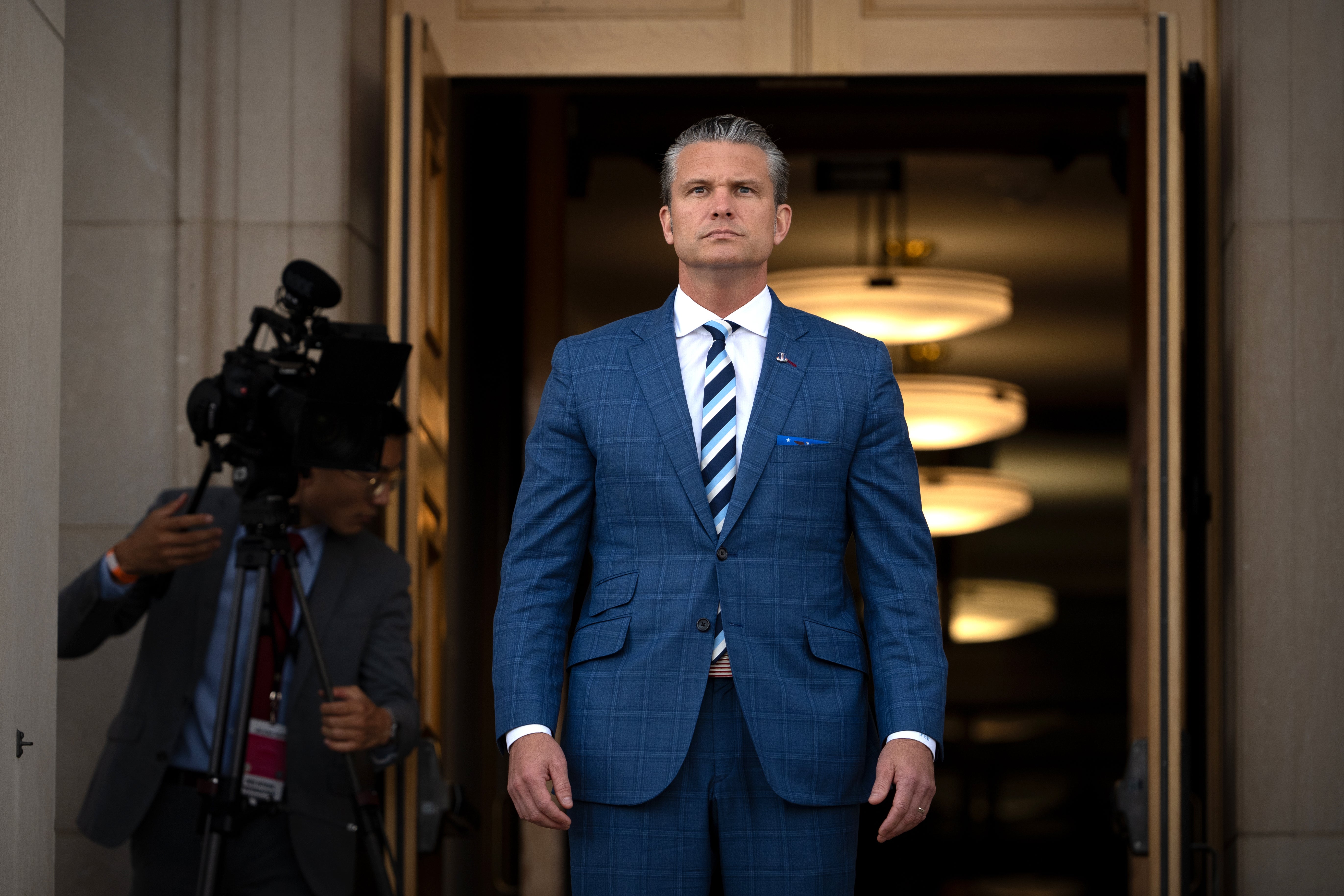 Pete Hegseth may not be getting good advice from top military brass because they fear being fired or having promotions blocked, a former Air Force chief warned (AP)
independent.co.uk
Pete Hegseth may not be getting good advice from top military brass because they fear being fired or having promotions blocked, a former Air Force chief warned (AP)
independent.co.uk
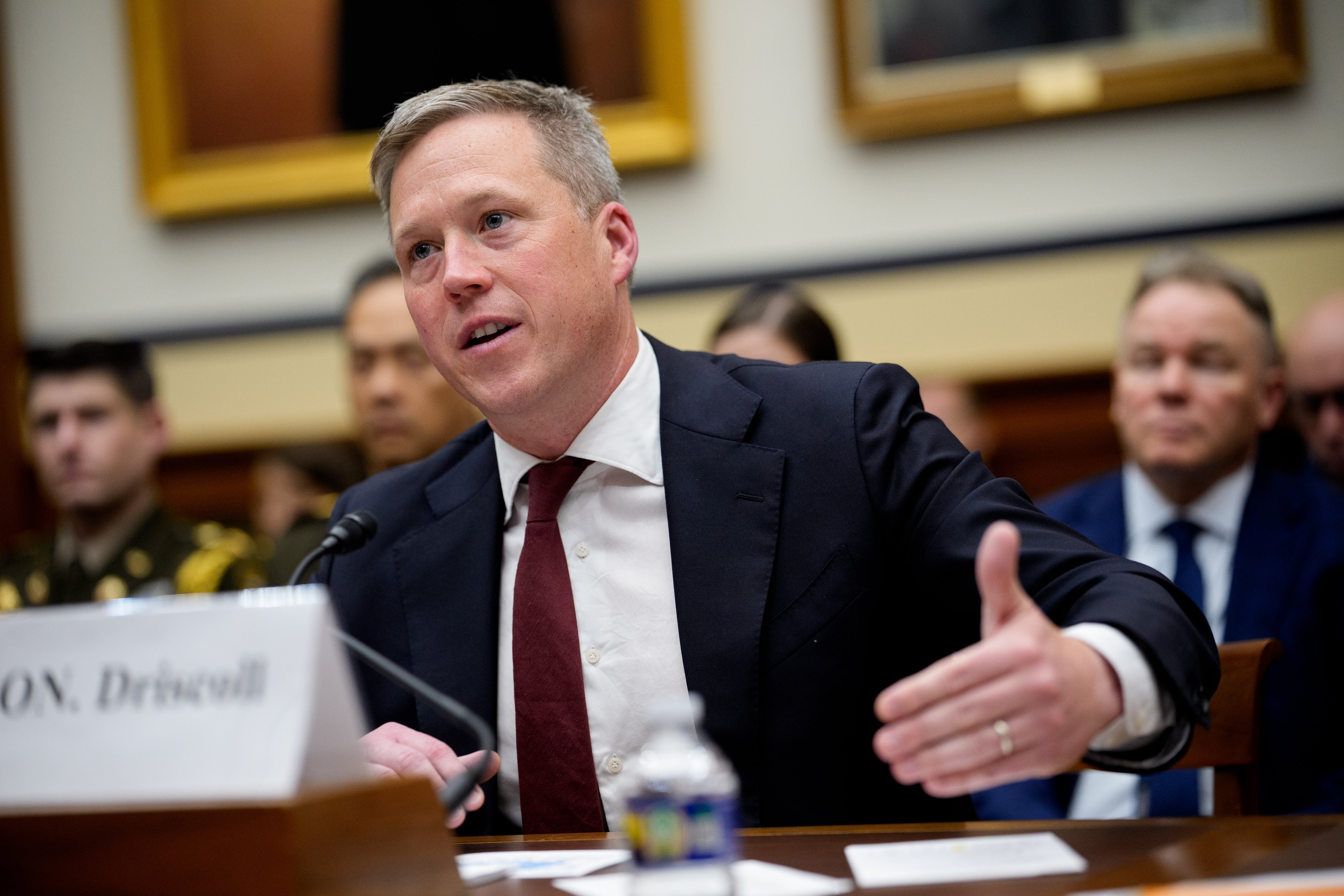 Dan Driscoll’s departure drew condemnation of Hegseth from Capitol Hill (Getty)
Getty
Dan Driscoll’s departure drew condemnation of Hegseth from Capitol Hill (Getty)
Getty
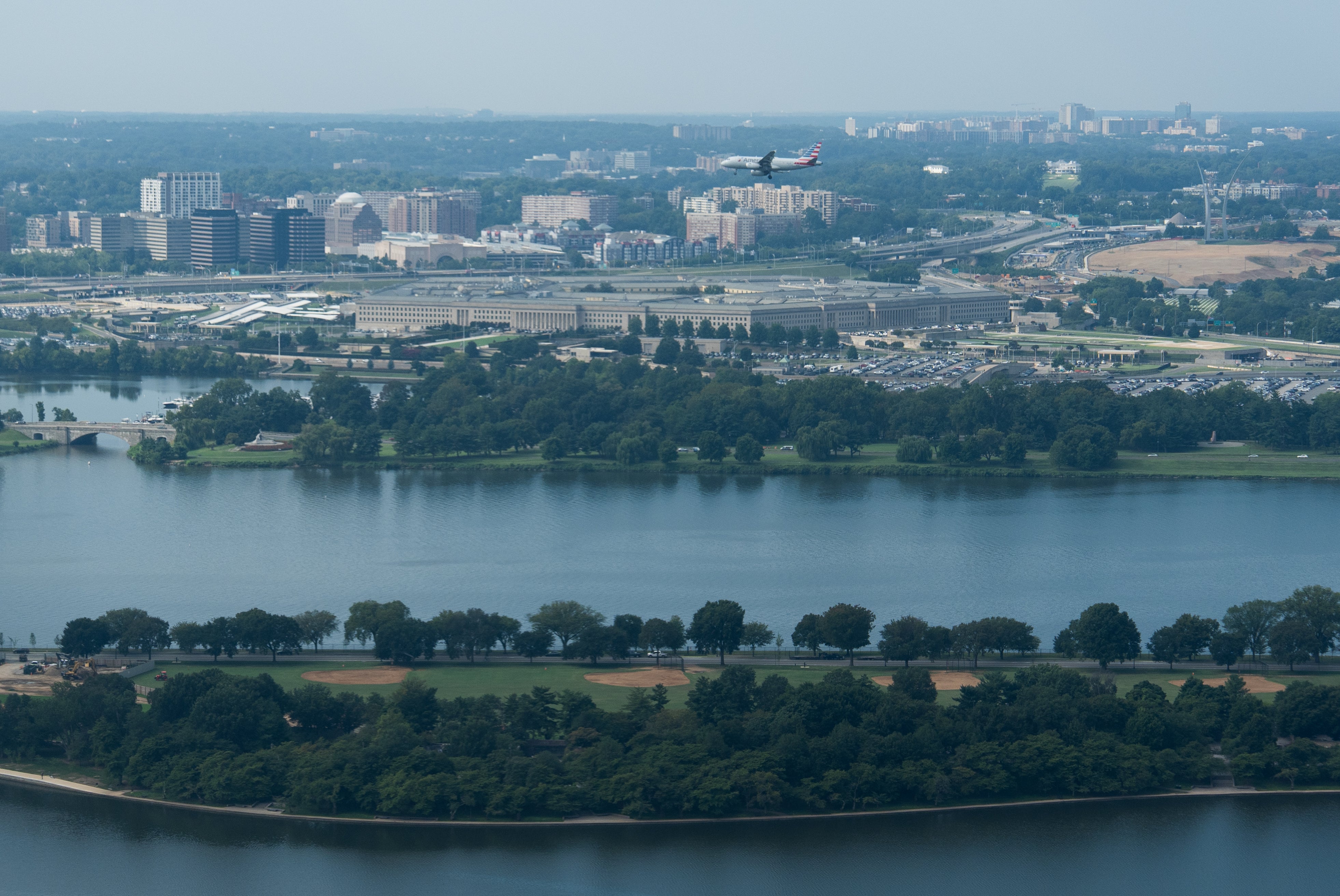 Under Hegseth's tenure, some media organizations have been purged from the Pentagon (AP)
independent.co.uk
Under Hegseth's tenure, some media organizations have been purged from the Pentagon (AP)
independent.co.uk
 Army combat veteran Cait Conley backs Hegseth impeachment, calls him national security 'hazard'
foxnews.com
Army combat veteran Cait Conley backs Hegseth impeachment, calls him national security 'hazard'
foxnews.com
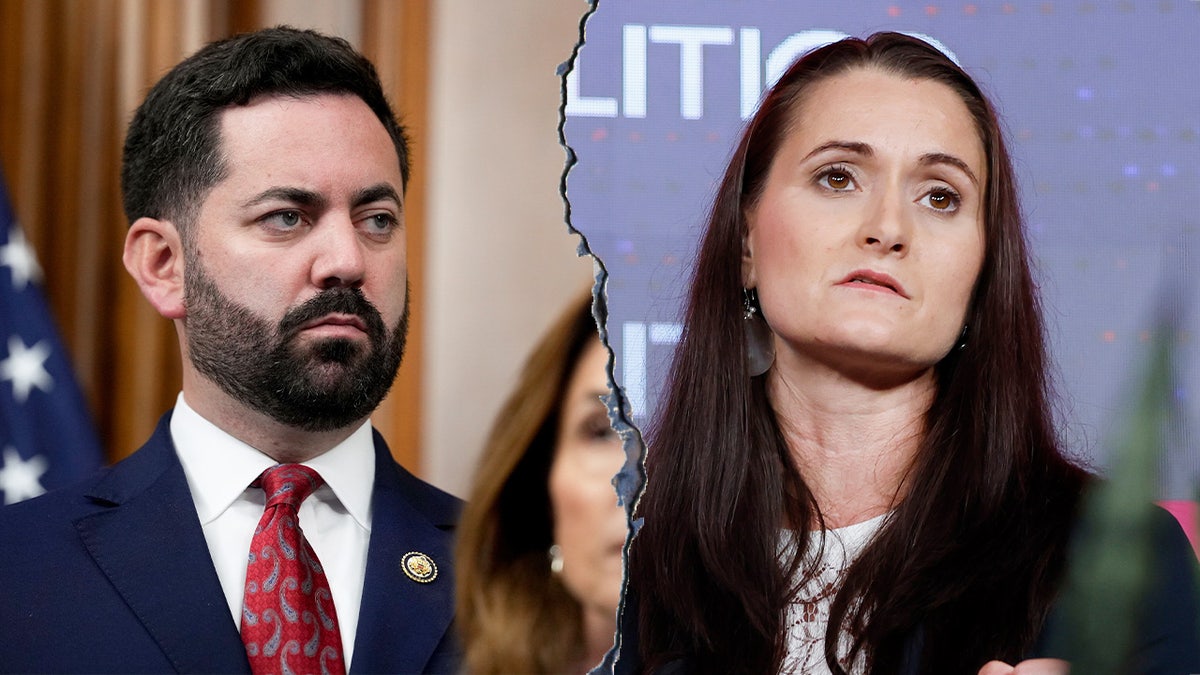 A split image of Rep. Mike Lawler and Democrat Cait Conley
foxnews.com
A split image of Rep. Mike Lawler and Democrat Cait Conley
foxnews.com
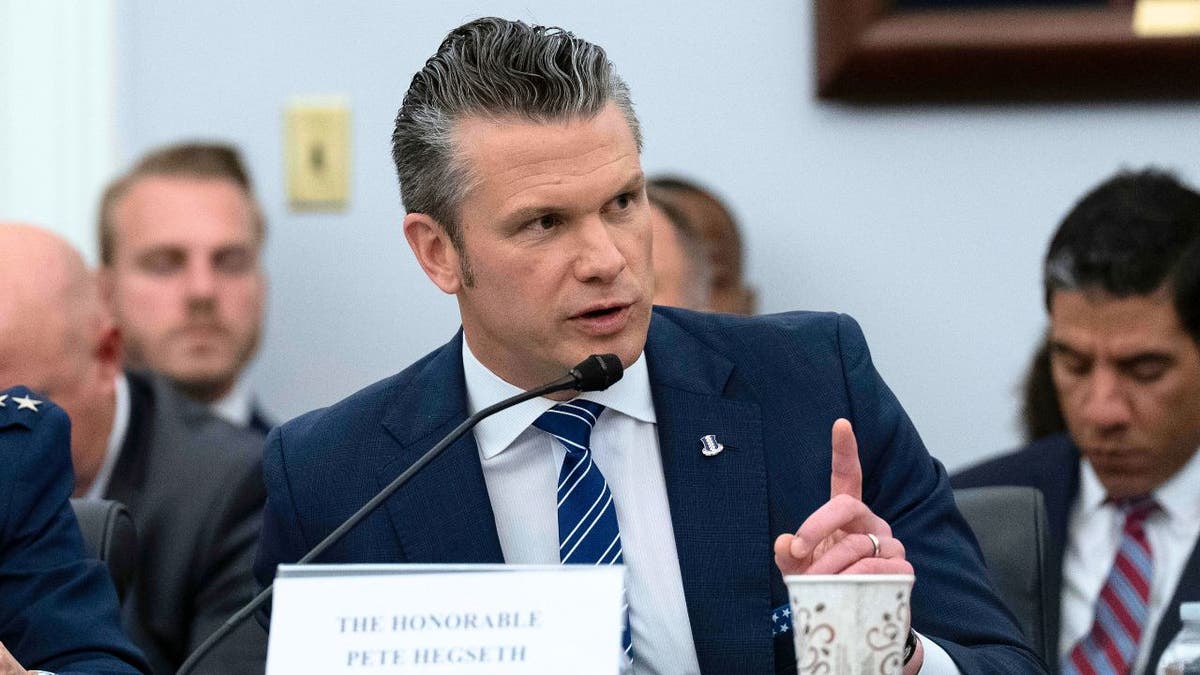 Pete Hegseth speaking in a hearing
foxnews.com
Pete Hegseth speaking in a hearing
foxnews.com
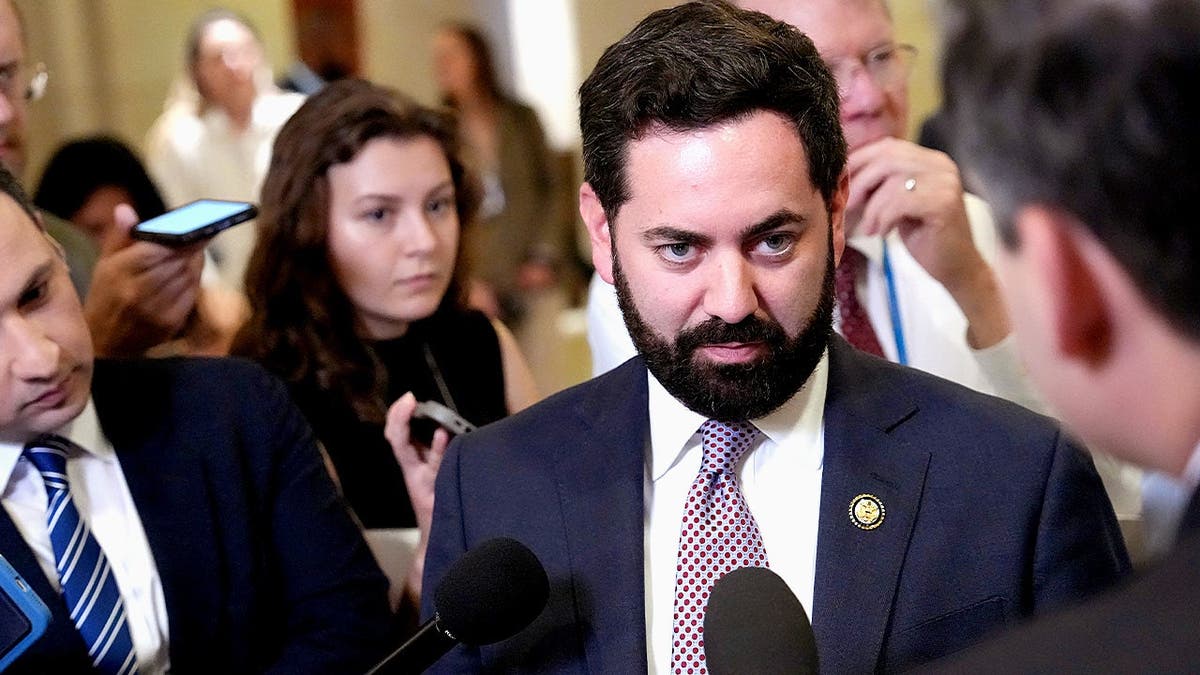 Rep. Mike Lawler speaks with reporters at the U.S. Capitol.
foxnews.com
Rep. Mike Lawler speaks with reporters at the U.S. Capitol.
foxnews.com
A former US secretary of the Air Force, Frank Kendall III, has accused Defense Secretary Pete Hegseth of running the Pentagon through a “culture of fear” after the Trump administration stripped Kendall of his security clearance last month. Kendall told ABC’s This Week that senior leaders were increasingly reluctant to speak candidly, describing an environment in which careers can be ended quickly and where, as a result, the defense secretary is “not getting good advice,” according to The Independent.
The claim lands amid a visible churn at the top of the US armed services. The Independent reports that Dan Driscoll, the secretary of the Army and an ally of Vice President JD Vance, resigned after months of clashes with Hegseth. Other departures cited by the paper include Navy Secretary John Phelan and the Air Force’s former chief of staff, General David W. Allvin, who quit two years into a four-year posting. Hegseth has also blocked the promotions of dozens of generals and admirals, a move that drew criticism in Congress from both parties, with lawmakers arguing that delayed advancement and vacancies disrupt readiness and command continuity.
Hegseth has presented the shake-up as a leadership reset. He has argued that promotion holds are needed to ensure the military has the “right leadership,” while also pushing a “warrior” culture and a focus on “lethality,” including new image and fitness standards for troops, The Independent reports. The same reporting says diversity programs have been dismantled and that the Pentagon has hosted religious sermons, including one delivered earlier this year by a right-wing Christian nationalist pastor. In parallel, some media organizations have been removed from the Pentagon under Hegseth’s tenure, tightening the information environment around the department at the same time as personnel decisions concentrate authority.
The dispute is now spilling into electoral politics. Fox News highlights comments from Cait Conley, a Democratic congressional candidate in New York and an Army combat veteran, who said on CNN’s State of the Union that she would support impeaching Hegseth and called him a national security “hazard.” Fox also notes that House Democrats introduced articles of impeachment months ago, citing Hegseth’s handling of the Iran war, military strikes on alleged drug vessels, his use of Signal to discuss military operations, and fights over congressional oversight. Hegseth’s spokesperson has dismissed the impeachment push as headline-chasing, while Republican Senator Thom Tillis has publicly criticized Hegseth after Driscoll’s resignation, referencing allegations about Hegseth’s drinking habits.
The pattern described across both reports is less about a single controversy than about how a large bureaucracy responds when promotions, clearances and public access become tools of discipline. Senior officers who expect to rotate through predictable career ladders can read a promotion freeze as a warning to keep disagreements private. Civilian officials who depend on access to classified briefings can read a revoked clearance as a signal that the cost of public criticism is personal. The Pentagon can still issue orders either way, but the internal feedback loops that normally surface bad assumptions become easier to silence when the penalties are immediate and individually targeted.
Kendall’s allegation is, for now, just that: an allegation made by a former official whose clearance has already been removed. But the resignations, the stalled promotions and the impeachment talk are public facts, and they are accumulating around a department that is also trying to fight a war and recruit the next class of officers.
Driscoll resigned after months of clashes, and Kendall says the people still inside the building are choosing their words carefully.