
Trump asks Supreme Court to allow new mail ballot restrictions
States begin mailing midterm ballots as injunction blocks Postal Service enforcement, election rules shift on the court’s timetable
Images
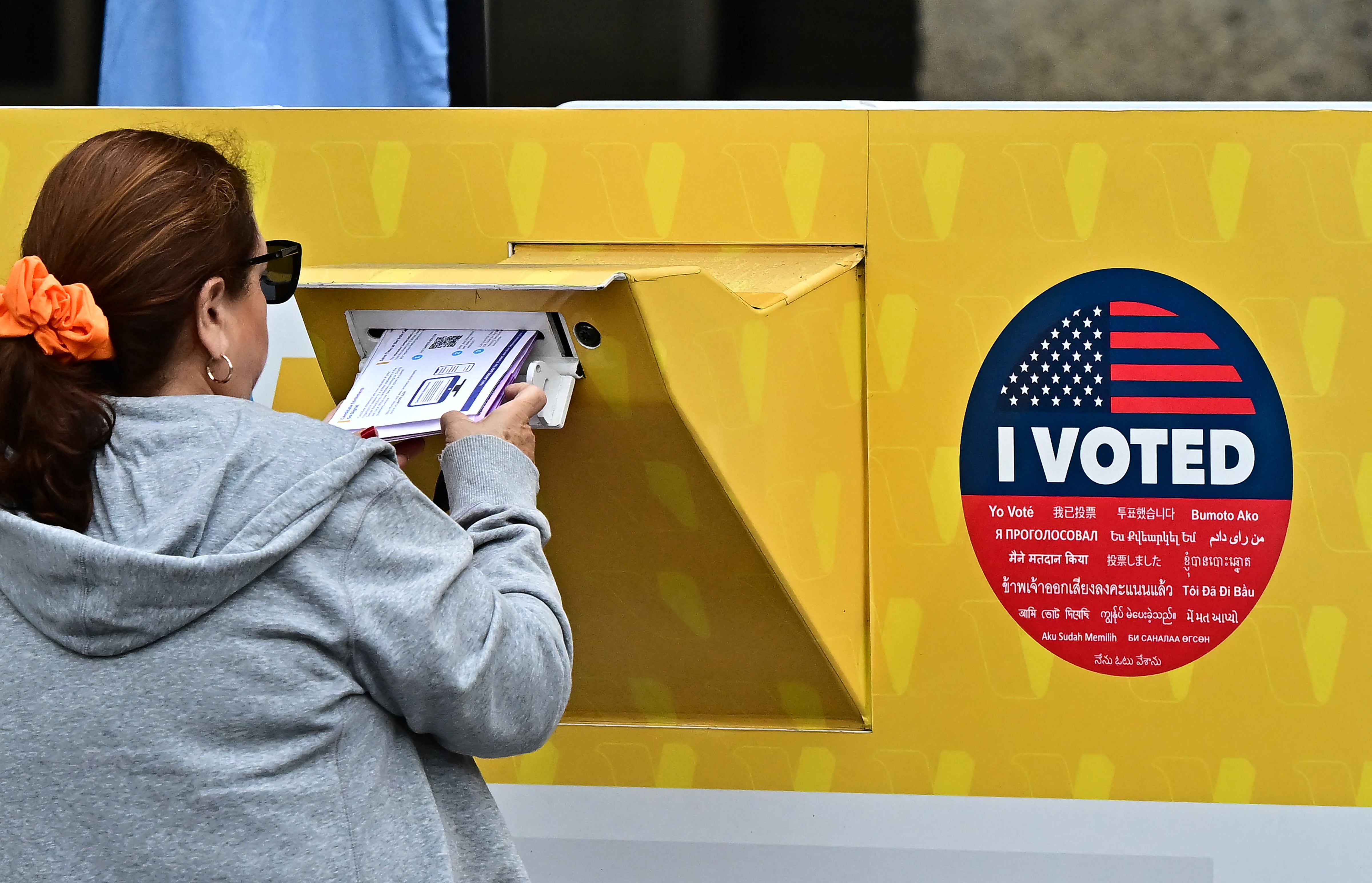 Trump has long sought to limit mail voting, even though he himself often uses that method to cast his own ballot (AFP/Getty)
AFP/Getty
Trump has long sought to limit mail voting, even though he himself often uses that method to cast his own ballot (AFP/Getty)
AFP/Getty
Donald Trump asks the US Supreme Court to lift a lower-court block on new mail-ballot restrictions, as states begin sending ballots for November’s midterm elections, according to The Independent. A federal judge’s injunction keeps the Postal Service from enforcing the administration’s executive-order-backed rules while litigation continues, leaving election offices weeks from voting with two sets of procedures on the table.
The administration’s filing argues timing is the core issue: once ballot envelopes enter the mailstream, they cannot be retrieved, and each day under the injunction means more ballots go out under existing practices. The case has already reached the Supreme Court multiple times, with the court allowing the plan to proceed at points without deciding whether it is lawful, a posture that keeps the operational pressure on state and local officials rather than on Washington. The White House says the changes are commonsense steps within federal authority over the mail, while Democratic-led states and voting-rights groups call them unconstitutional and warn that late-breaking postal directives can translate directly into rejected ballots.
Nearly one-third of US voters use mail ballots, which makes the dispute less about a niche voting method than about the default experience of tens of millions of people. But the legal architecture described in the filings leaves accountability diffuse: eligibility and counting rules remain state matters, the Postal Service is not meant to judge voter qualification, and yet a federal rule governing how envelopes must be handled can still determine whether a ballot is treated as valid. Election administrators say there is not enough time to retool systems and instructions, a practical constraint that becomes a policy outcome when court calendars and mailing deadlines collide.
The incentives are straightforward. Tightening the mechanics of mail voting can shift marginal ballots out of the count without ever changing who is formally allowed to vote, and the effects are most visible only after election day, when disputes over curing signatures, deadlines, and envelope defects become partisan litigation. Trump has pushed to limit mail voting since 2020 while also using mail voting himself, and his continued focus on the channel keeps the midterms’ legitimacy fight tethered to procedure rather than to platforms.
Ballots are already being mailed in some states, the administration told the court. The Supreme Court’s next move will not change who runs the elections, but it may decide how many voters discover the rules only after their envelope is in the post.