
Netanyahu calls Qatar a hostile state
Doha files UN letters over Iranian strikes on its territory, regional mediators become named parties
Images
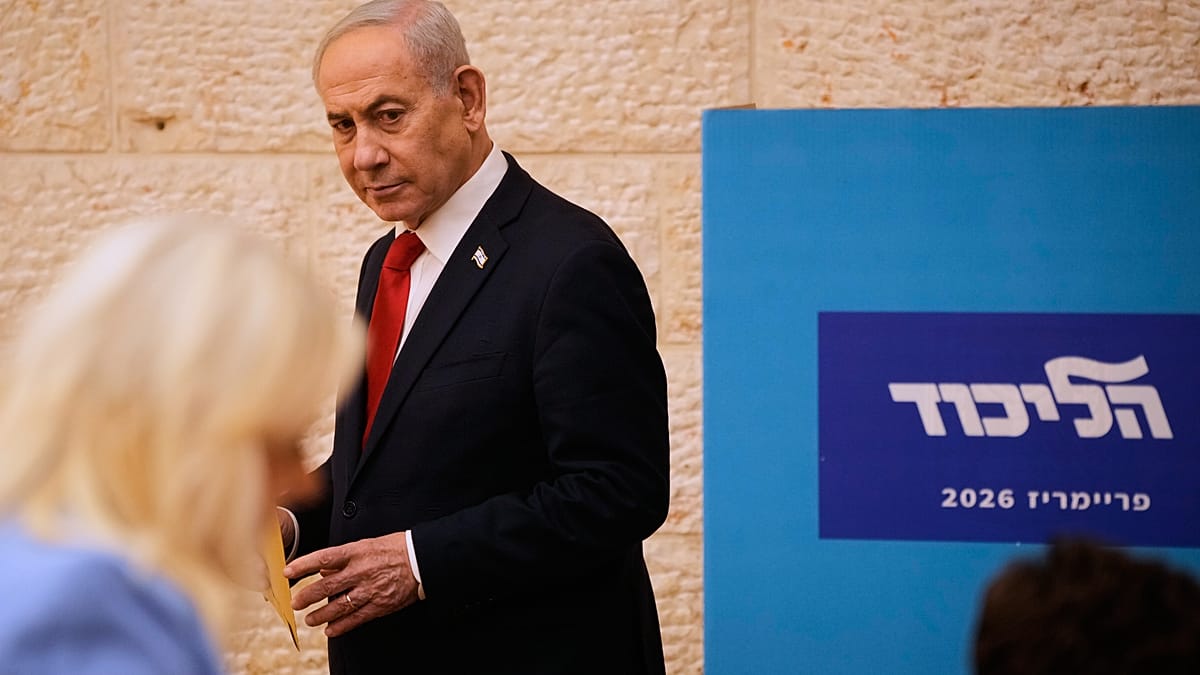 Netanyahu calls Qatar ‘hostile state’ as Doha pushes back against Iran
euronews.com
Netanyahu calls Qatar ‘hostile state’ as Doha pushes back against Iran
euronews.com
Israeli Prime Minister Benjamin Netanyahu called Qatar a “hostile state” in an interview with i24NEWS on Sunday, according to Euronews, reopening a dispute that Qatar says it has been trying to keep outside the widening Iran-US confrontation. The comments revived attention to Israel’s September 2025 strike on Doha, which Euronews says targeted senior Hamas officials involved in negotiations over a US-backed Gaza ceasefire proposal and killed six people, including a member of Qatar’s security forces.
Netanyahu’s remarks landed days after Qatar publicly pushed back against Iran’s legal justification for missile and drone attacks on Qatari territory. Euronews reported that Qatar’s foreign ministry spokesperson Majed Al Ansari accused Iran of selectively quoting a Qatari security document prepared for the International Telecommunication Union, after Iran’s foreign ministry spokesman Esmaeil Baghaei cited it to argue Iranian strikes were mainly aimed at US military facilities. Qatar says it has submitted documentation to the United Nations showing Iranian missiles flying over civilian and commercial areas, and it has sent letters to the UN secretary-general and the Security Council president rejecting Tehran’s argument that the attacks were legitimate responses.
The exchange illustrates how small states that host foreign bases and run regional diplomacy can be forced into a binary choice as wars expand: either accept being described as a battlefield extension, or contest the paper trail at the UN while keeping trade and energy infrastructure functioning. Qatar also confirmed that a strike on gas facilities at Ras Laffan in March was real and formally documented, after Iran described it as “alleged”, according to Euronews. Once energy assets enter the dispute record, the argument stops being about rhetoric and starts being about compensation claims and future insurability.
Netanyahu also defended the pre-7 October 2023 transfer of Qatari money into Gaza, saying it was humanitarian and recommended by Israeli security agencies, while Qatar again denied financing Hamas and said its aid mechanisms were known to Israel and the United States. That history matters because it shows how intermediaries are used when direct channels are politically toxic, and how quickly yesterday’s workaround becomes tomorrow’s accusation.
Euronews reported there was no immediate public response from Doha to Netanyahu’s “hostile state” label. Qatar, in its own UN letters, has already framed the issue more narrowly: missiles crossed its territory, damage and injuries followed, and responsibility remains with the state that launched them.