
UK rules out Jaguar Land Rover bailout
Company opens voluntary redundancy scheme as job cut reports mount, industrial support shifts to subsidies that avoid naming a failing firm
Images
 Business Secretary Jonathan Reynolds said there would be no bailout (David Parry/PA) (PA Wire)
PA Wire
Business Secretary Jonathan Reynolds said there would be no bailout (David Parry/PA) (PA Wire)
PA Wire
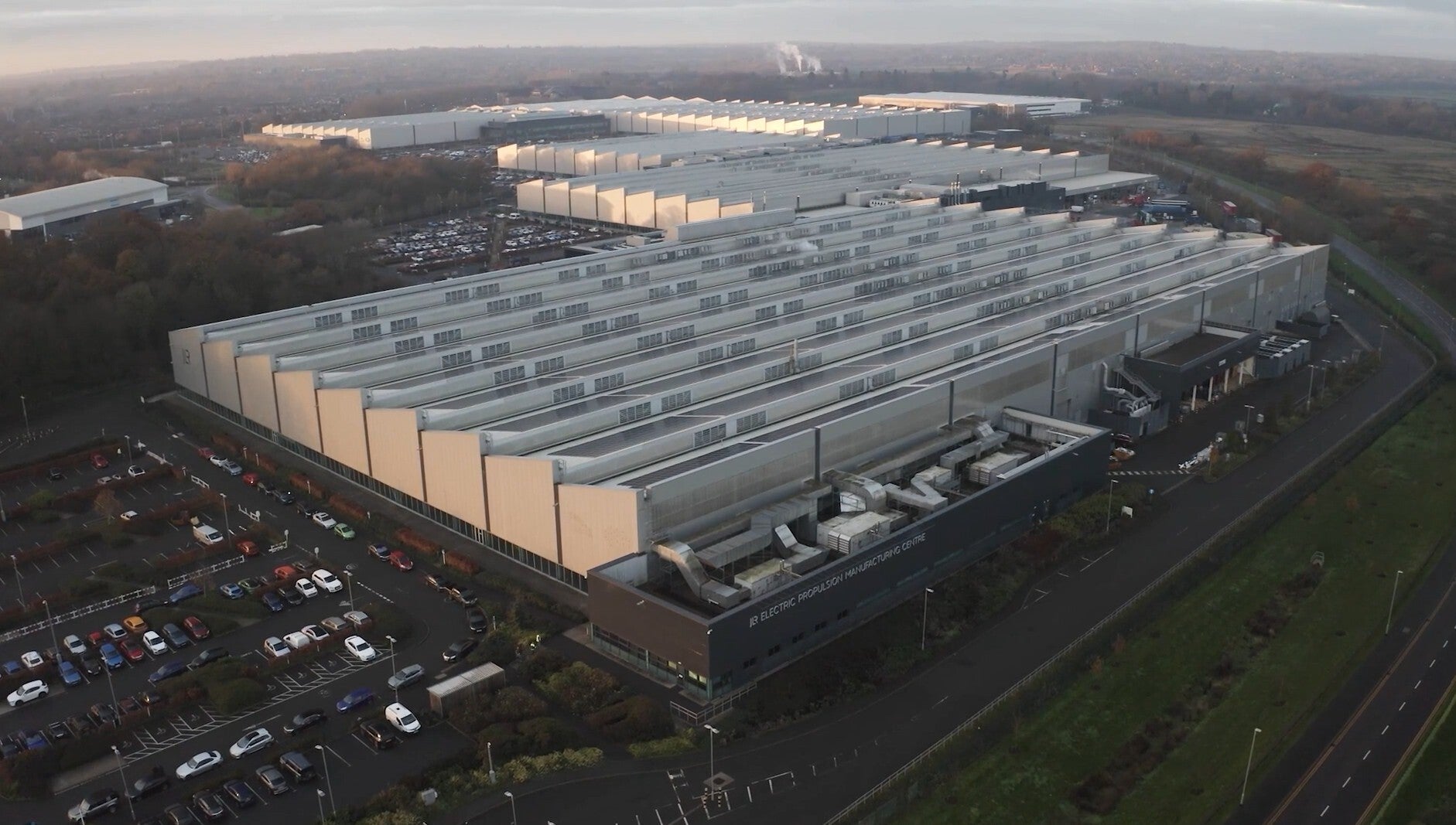 Work was stopped for five weeks after JLR was targeted in a cyberattack (Jaguar Land Rover/PA) (PA Media)
PA Media
Work was stopped for five weeks after JLR was targeted in a cyberattack (Jaguar Land Rover/PA) (PA Media)
PA Media
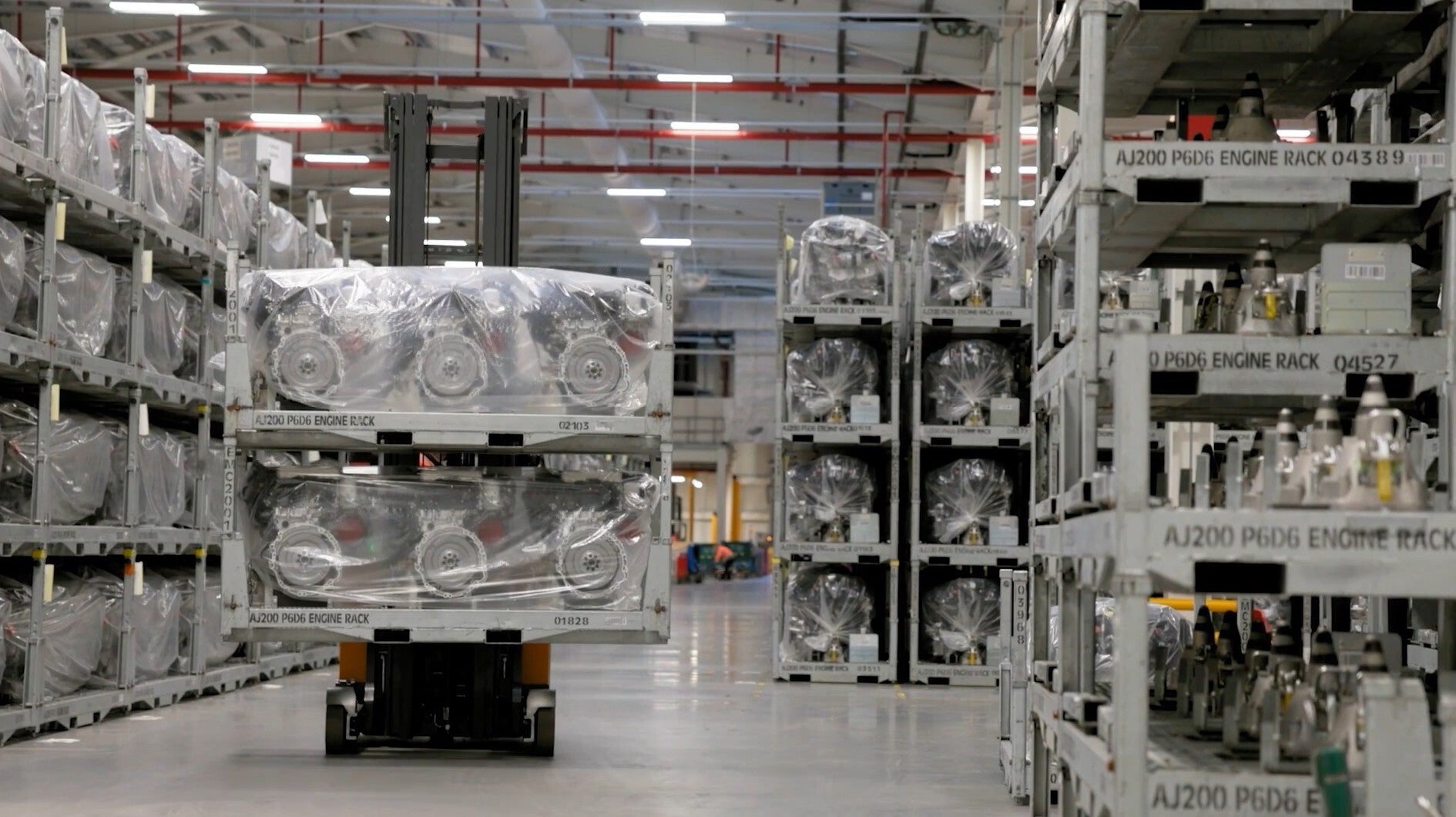 Revenue at Jaguar Land Rover has been knocked over the past year (Jaguar Land Rover/PA) (PA Media)
PA Media
Revenue at Jaguar Land Rover has been knocked over the past year (Jaguar Land Rover/PA) (PA Media)
PA Media
Jaguar Land Rover is preparing a major redundancy programme while the UK government says it will not provide bailout funds. According to The Independent, reports point to 4,000 job cuts spread over two years, with the company already opening a voluntary redundancy scheme for salaried and management staff as it targets roughly £1.7 billion in savings.
The political line from Westminster is that headcount changes are part of a normal business cycle, but the numbers land in an industry that has become unusually dependent on policy choices. The Business Secretary, Jonathan Reynolds, said he has spoken to JLR chief executive PB Balaji and will meet the leadership team, while repeating that there will be no financial support “to bail people out.” At the same time, the government points to sector support that is easier to justify in a budget line than a bespoke rescue: lower electricity bills for manufacturers, capital and R&D funding for zero-emission vehicle production, and an electric car grant aimed at keeping demand alive.
For JLR, the redundancy plan is framed as a competitiveness reset rather than a collapse. The company says it wants to simplify its organisation, improve efficiency, and reduce its break-even volume to 300,000 vehicles. That target matters because volume is where fixed costs get paid, and the past year has shown how quickly production assumptions can be broken by events outside a carmaker’s control. JLR is still recovering from a cyberattack that halted production last year, and it has also faced supply-chain disruption, including a fire at a supplier’s factory that briefly paused production of Range Rover models at its Solihull plant, the paper reports.
The labour side is pushing for a different interpretation: that the industry has been boxed in by years of under-investment and high UK industrial energy costs, with policy mandates adding strain rather than certainty. Unite general secretary Sharon Graham argued that further government action is needed, while the company insists it has strengthened its “House of Brands” and transformed its product portfolio over the past three years. Recent financial results underline why management is looking for structural savings: JLR said last month that revenues fell year-on-year in the three months to June 30, driven by lower volumes.
JLR employs about 30,000 people across the UK, with manufacturing centred on sites including Solihull in the West Midlands and Halewood on Merseyside. Reynolds said the focus now is on “making the workforce right” to keep the business competitive.
The company has told staff it will share further information with colleagues first. The government’s message, delivered ahead of that announcement, is that the support on offer is sector-wide—and the job cuts are JLR’s problem to price in.