
Massachusetts town sues over dead fish compost smell
Pepperell says zoning and air rules were breached at 20-acre site near New Hampshire border, fines paused while waste removal deadline ticks down
Images
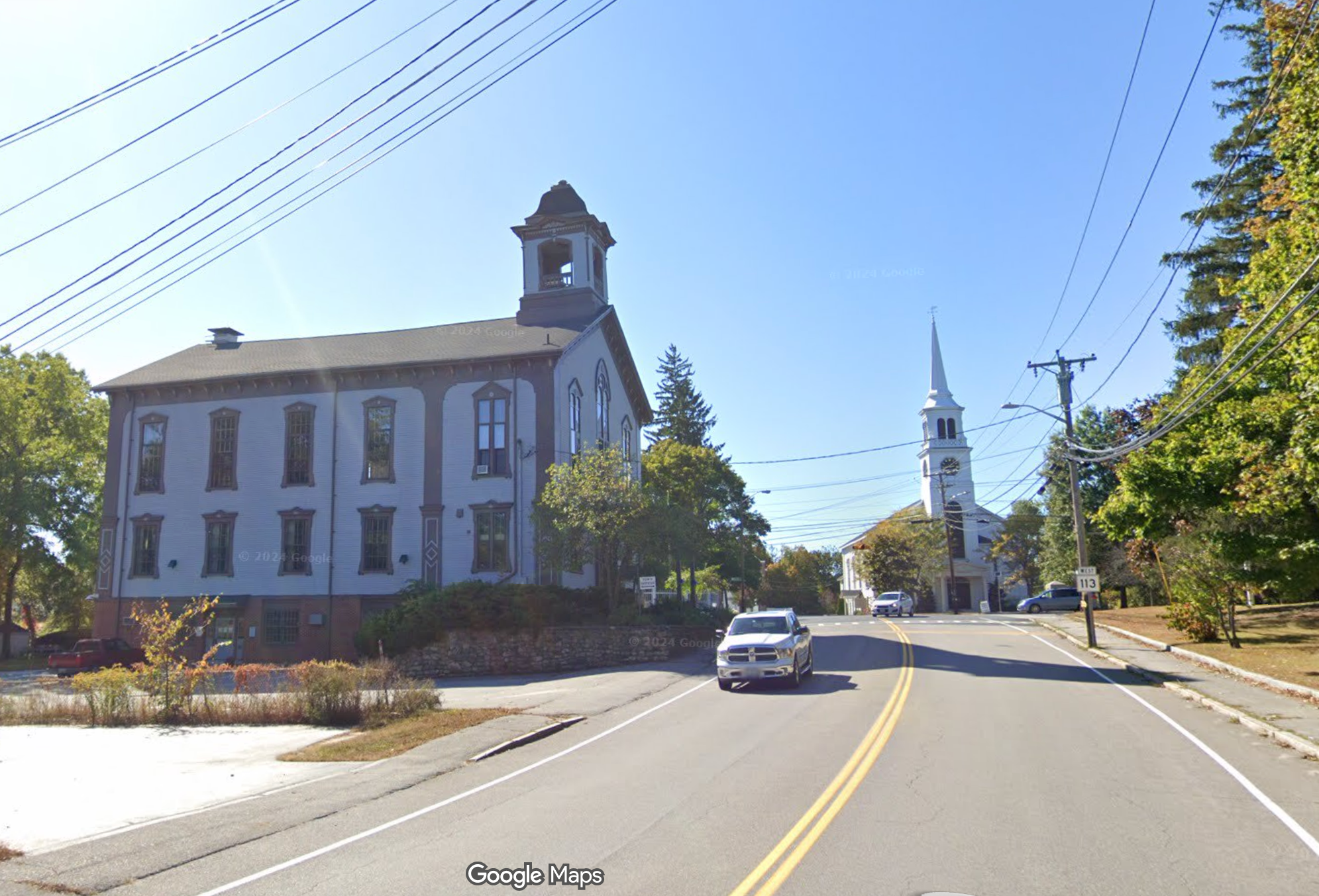 The smell of 'dead fish' emanating from a Pepperell, Massachusetts, property has led to a lawsuit, according to a new report (Google Maps)
Google Maps
The smell of 'dead fish' emanating from a Pepperell, Massachusetts, property has led to a lawsuit, according to a new report (Google Maps)
Google Maps
A lawsuit over a smell has become Pepperell’s most concrete civic dispute this summer: a Massachusetts town says an odor like “dead fish” is drifting from a 20-acre property near the New Hampshire border, and it has taken the owner to court.
According to The Independent, the site sits along the Nashua River and recently began operating as a composting operation that included fish refuse such as skeletons, crabs and shells. Residents told local officials the stench was “nauseating” and “overwhelming,” describing daily routines disrupted by a problem that does not stay on one parcel line. The town administrator compared it to the worst low-tide smell at the seashore, the kind of detail that matters in nuisance cases because it turns an abstract complaint into something a judge can picture.
The case is also a map of how environmental standards are enforced when the harm is diffuse. Pepperell’s lawsuit in Middlesex County Superior Court accuses the owner of violating zoning rules and air-pollution regulations; the town says its zoning does not allow composting sites without a state-law exemption. That distinction matters because exemptions are where small-scale “agricultural” or “waste” activity can expand into an industrial neighbor before the permitting catches up. Once the town filed, it began imposing daily fines of $300, a mechanism that turns enforcement into a running meter rather than a one-time penalty.
The owner, Al Somma, disputes the premise. He told the outlet the smell had been eliminated and called the lawsuit “frivolous,” saying officials had made “a mountain out of a mole hill.” But the practical outcome so far is not a verdict; it is a negotiated pause. Both sides agreed to a temporary injunction requiring composting to stop and all waste to be removed by a late-September deadline, with fines suspended until then. Photos cited in the report show multiple compost piles already removed, suggesting the town’s leverage is coming less from courtroom drama than from the threat of accumulating penalties.
Pepperell is not alone. The Independent notes similar odor lawsuits elsewhere, including a Chicago case over a “rotten fish” smell that reportedly disrupted weddings and school recess, and another Massachusetts action against a waste company after complaints in Grafton. The pattern is consistent: when the nuisance is persistent but hard to measure, local government reaches for zoning and civil court tools because they are faster than proving a technical emissions violation.
In Pepperell, the immediate test is simple and calendar-bound: remove the waste by the deadline, or the fines resume.