
Masked protesters block access to Port of Dover
Anti-immigration roadblocks snarl a key UK gateway as police say they had no warning, traffic clears after miles of queues
Images
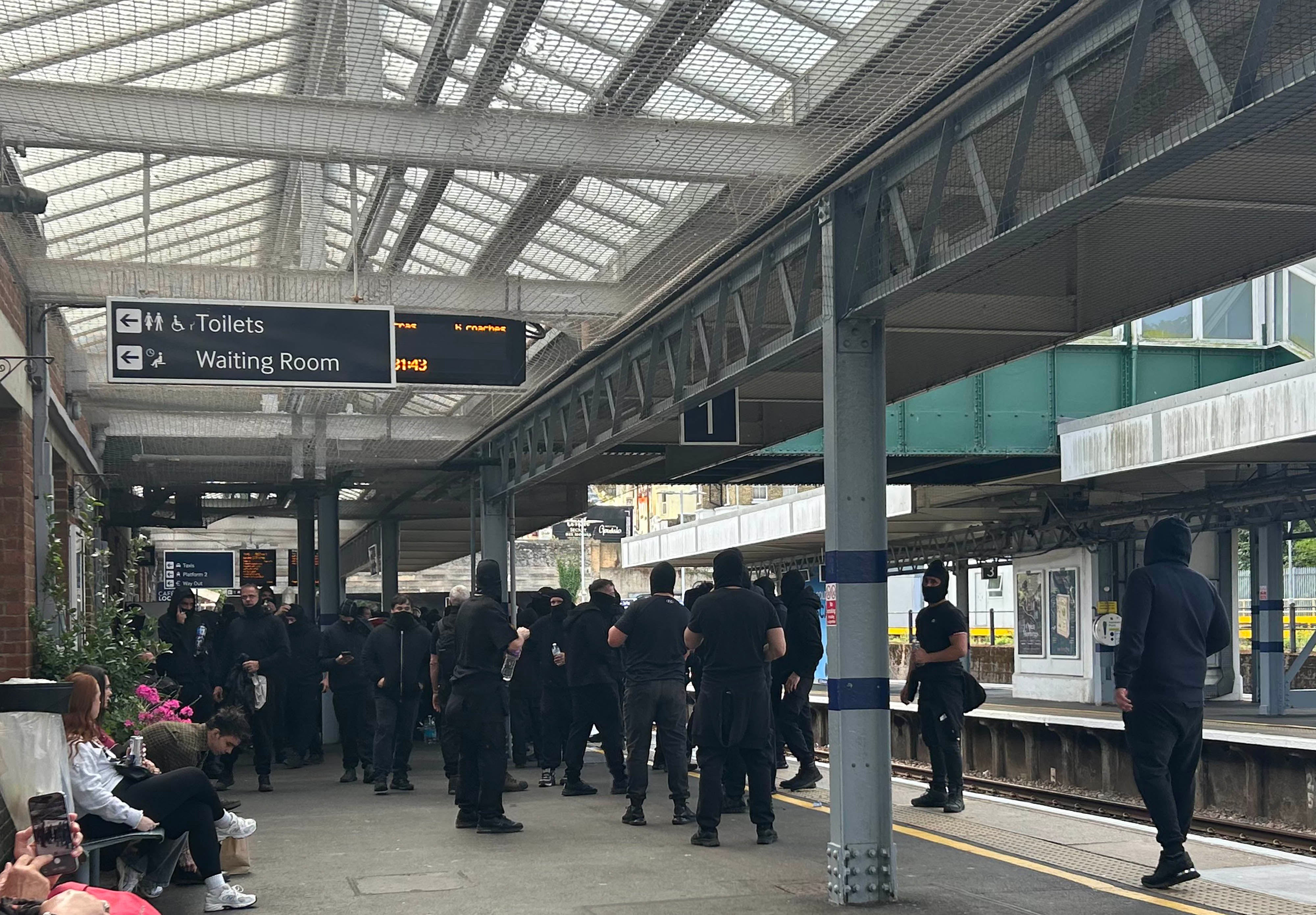 Protesters at Dover Priory train station after black-clad and masked anti-illegal migrant demonstrators blocked roads in Dover during a protest (PA)
independent.co.uk
Protesters at Dover Priory train station after black-clad and masked anti-illegal migrant demonstrators blocked roads in Dover during a protest (PA)
independent.co.uk
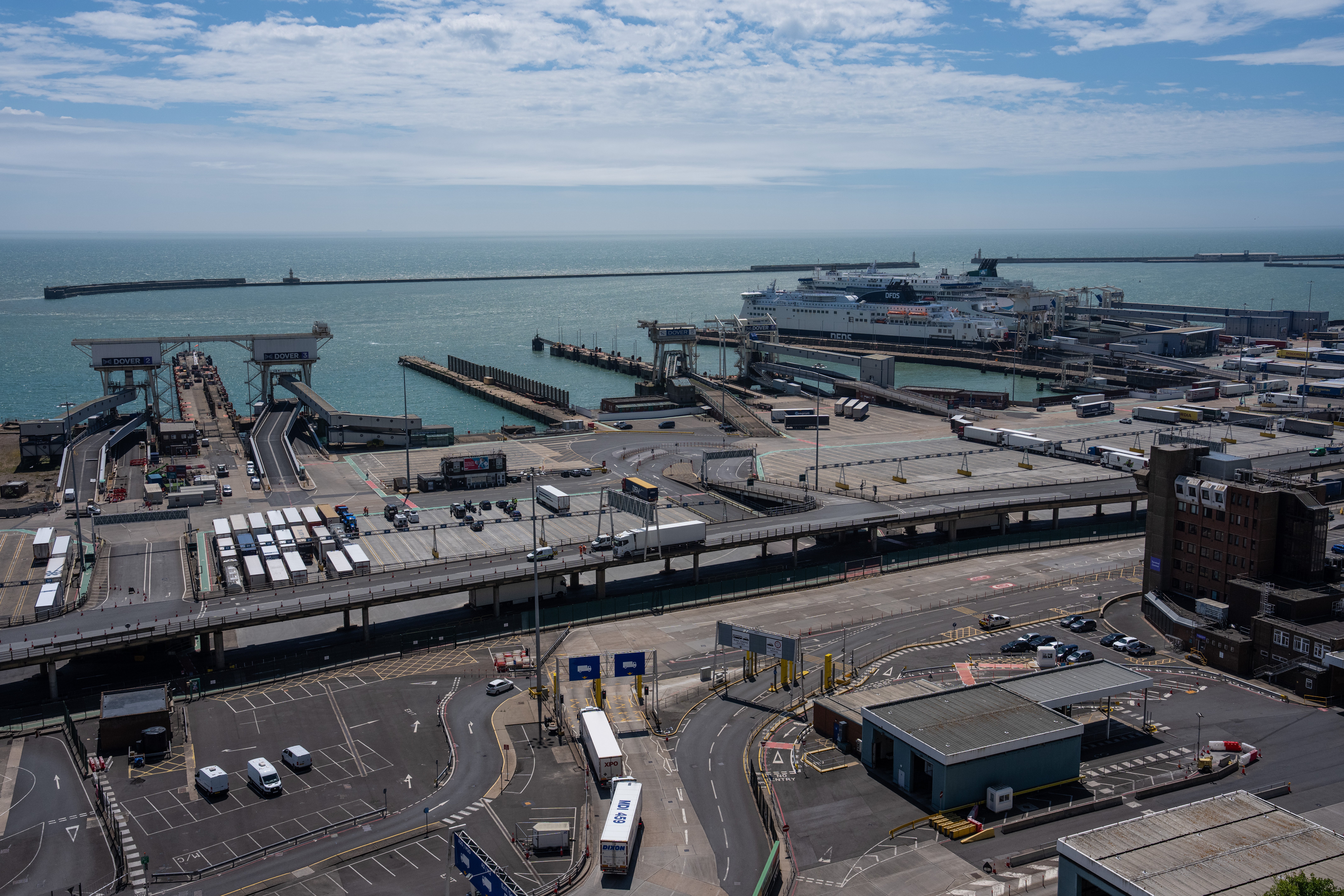 The Port of Dover (file photo) (Getty)
Getty
The Port of Dover (file photo) (Getty)
Getty
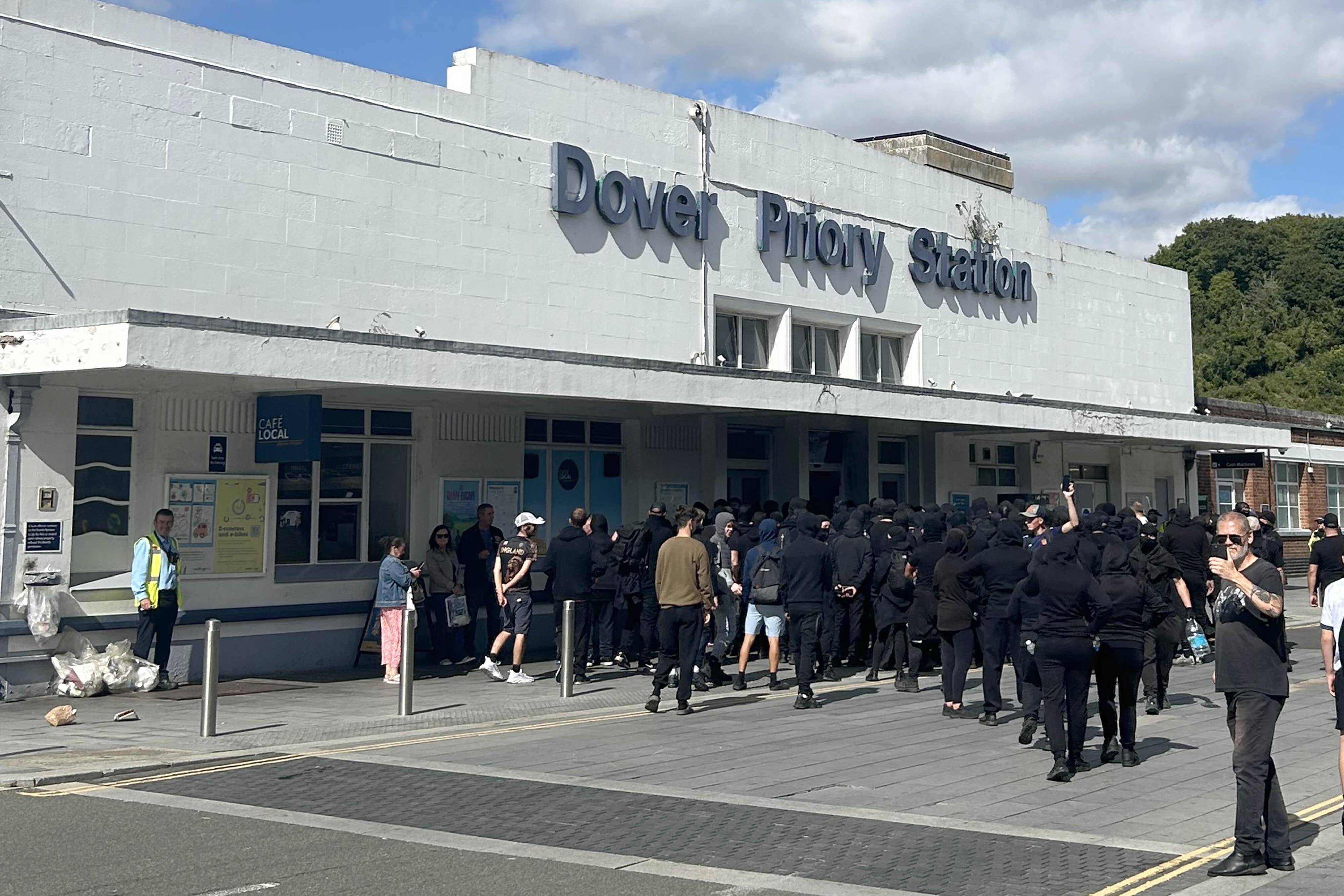 Protesters at Dover Priory train station after black-clad and masked anti-illegal migrant demonstrators blocked roads in the port (Oscar Rihill/PA) (PA Wire)
PA Wire
Protesters at Dover Priory train station after black-clad and masked anti-illegal migrant demonstrators blocked roads in the port (Oscar Rihill/PA) (PA Wire)
PA Wire
Masked, black-clad demonstrators blocked roads into the Port of Dover on Saturday, briefly cutting off access to one of Britain’s main cross-Channel gateways. The Independent reports that the group—described as largely men wearing balaclavas—marched through Dover chanting “stop the boats”, while National Highways warned of miles of congestion before access was restored.
The disruption lands in a country where migration policy is increasingly enforced through chokepoints: ports, hotels, processing sites, and the roads that connect them. Dover is not simply a local transport hub; it is a national piece of infrastructure whose capacity is measured in queues, ferry timetables, and customs slots, and where a few vans parked across a road can turn political theatre into delayed freight and missed sailings. According to the Independent, the port itself flagged a “public order incident” affecting routes in and out of both the port and the town, suggesting a protest designed around maximum friction rather than persuasion.
The episode also shows how quickly border politics becomes a policing problem. Dozens of officers followed the march, but local figures quoted by the paper said police were not aware of the protest in advance, leaving residents and workers to discover blocked streets in real time. One councillor described coordinated overnight roadblocks using rental vans, an approach that shifts the cost of a demonstration onto commuters, businesses, and anyone with a ticketed crossing. A Labour MP for the area condemned the tactics and called balaclavas “intimidating”, while also pointing to a claimed fall in small-boat crossings—an argument that enforcement is working even as the spectacle of “stop the boats” protests persists.
The government response, as reported, was managerial: access restored, traffic flowing, travellers advised to allow extra time. That language is familiar in a system where the state is judged less on whether it controls the border than on whether it can keep the logistics running when the border becomes the stage. Activist Tommy Robinson, posting on X, framed the action as simultaneous mobilisation at multiple locations, hinting at a playbook that treats disruption itself as the message.
By midday, masked men were seen boarding a train at Dover Priory station, and the port said routes were reopening. The town’s roads had been blocked long enough for a four-mile queue to form, then cleared quickly enough for officials to declare normality back on schedule.