
Trump envoys head to Moscow and Kyiv
Zelenskyy asks both sides to pause strikes for travel, diplomacy starts with a safe flight plan
Images
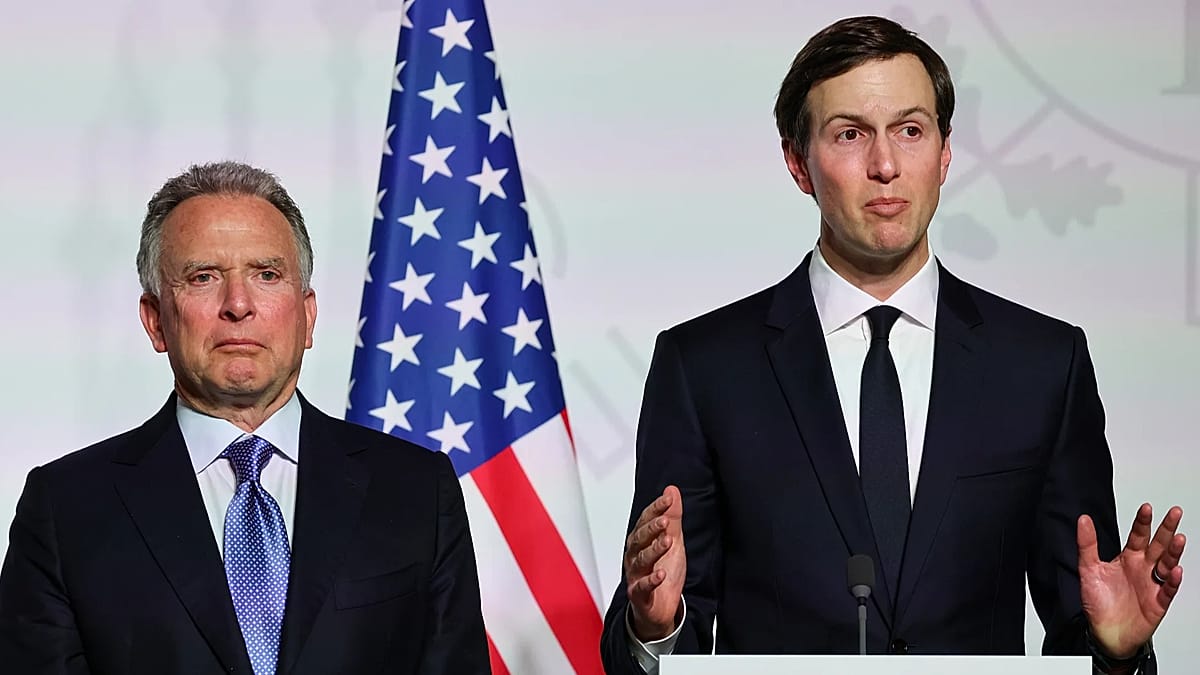 US peace envoys Witkoff and Kushner to visit Kyiv and Moscow
euronews.com
US peace envoys Witkoff and Kushner to visit Kyiv and Moscow
euronews.com
US peace envoys Steve Witkoff and Jared Kushner are due in Moscow on Saturday and Kyiv on Sunday with a Trump-backed proposal to end the war in Ukraine, according to Euronews. It will be their first visit to the Ukrainian capital since Donald Trump returned to the White House in January 2025, and the travel itself has become part of the negotiation.
Ukrainian president Volodymyr Zelenskyy confirmed the plan on X while simultaneously warning airlines and insurers that Russian airspace is becoming unsafe because of the scale of Ukrainian drone operations. He said Ukraine would hold off on strikes during the trip and asked Moscow to do the same, effectively turning a diplomatic visit into a short, informal deconfliction window. That request underlines how little of the battlefield is currently governed by stable rules: even the ability to fly to talks is now contingent on both sides choosing not to fire.
The timing also shows how diplomacy is being routed through personalities rather than institutions. Witkoff and Kushner are described by Trump as top negotiators, but neither the proposal’s contents nor the enforcement mechanisms are spelled out in the reporting. In practice, the first deliverable is not a ceasefire but a pair of safe landings and takeoffs—an arrangement that can be granted, withdrawn, or violated without parliamentary votes or treaty text.
Events on the ground are moving in the opposite direction. Euronews reports Russian strikes on Kamianske in Ukraine’s Dnipropetrovsk region killed four people overnight and injured five, hitting an industrial facility, according to local authorities. Zelenskyy also said a Russian drone struck the headquarters of Ukraine’s Security Service in central Kyiv and ordered a “tangible response,” including mirroring the attack where possible. Each new strike adds another set of targets, victims, and retaliatory expectations that visiting envoys cannot negotiate away in a weekend.
For European governments watching from the sidelines, the episode is a reminder that the war’s tempo can be shaped by who Washington chooses to send and when. A pause requested for logistics can look like progress, but it is also a signal that operational decisions—when to strike, when to abstain—are being calibrated around visiting schedules as much as around military advantage.
Witkoff and Kushner are expected to cross from a battlefield where drones can hit central Kyiv to a meeting itinerary that depends on both sides briefly agreeing not to use them.