
US and Venezuela sign oil development pact
17 fields and long-term rights routed through NABEP, opposition and banks question legitimacy and timelines
Images
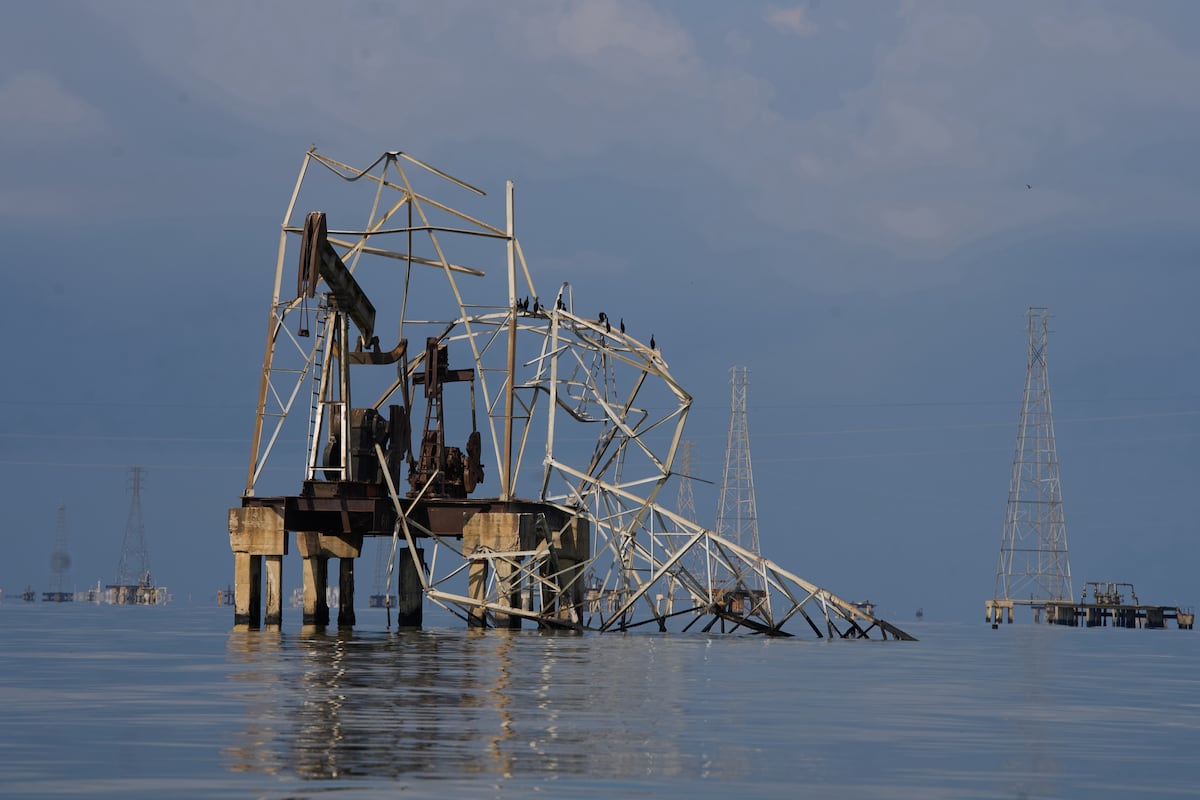 Inside the US-Venezuela oil agreements: Big promises, little clarity
english.elpais.com
Inside the US-Venezuela oil agreements: Big promises, little clarity
english.elpais.com
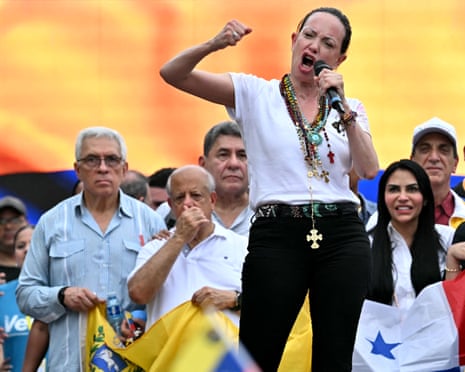 María Corina Machado addressing the Venezuelan diaspora during a rally in Panama City in May. Photograph: Martin Bernetti/AFP/Getty Images
theguardian.com
María Corina Machado addressing the Venezuelan diaspora during a rally in Panama City in May. Photograph: Martin Bernetti/AFP/Getty Images
theguardian.com
 Investment banks cool Trump’s optimism: Venezuelan oil will not lower prices
english.elpais.com
Investment banks cool Trump’s optimism: Venezuelan oil will not lower prices
english.elpais.com
The United States and Venezuela have announced an oil agreement covering 17 Venezuelan oil fields, a package that Venezuelan officials describe as a 25-year preferential concession and Washington frames as development rights lasting a century. El País reports the deal involves more than 65 billion barrels of reserves and would be implemented through North American Blue Energy Partners (NABEP), a vehicle tied to Venezuelan businessman Alejandro Betancourt.
The public sales pitch is straightforward: investment, production growth, and a geopolitical reset that locks out rival powers. But the paperwork described by El País points to something closer to a hybrid of statecraft and corporate governance. The US State Department is guaranteed access to a portion of production at cost and a right of first refusal over the rest, while NABEP’s board must be majority US citizens and Washington holds veto power over appointments. In Caracas, the agreement is being defended by the ruling party leadership even as parts of the broader political class—both opposition figures and dissident currents within Chavismo—question why so much leverage is being concentrated in a single intermediary.
That intermediary matters because Venezuela’s oil sector has spent years decaying under sanctions, underinvestment and power cuts. A separate El País report notes that investment banks and consultancies are cooling the White House’s optimism that Venezuelan output can quickly move global prices. UBS warns recovery will take years and have limited near-term impact; Rystad Energy says the sector could take decades to regain lost capacity and that the country’s historic production peak may not return until mid-century. Citi, according to El País, flags a different risk: deals that lack transparency and broad political legitimacy tend to be rewritten when governments change.
The legitimacy question is already central to the domestic backlash. The Guardian reports that opposition leader María Corina Machado has condemned the agreement as a bargain struck by an “illegitimate regime” without a democratic mandate, warning that Venezuela’s natural resources belong to the people rather than whoever occupies the presidential palace. Her supporters fear that once Washington has secured long-term access and governance rights over strategic assets, its appetite to press for elections diminishes—especially when US officials can present the arrangement as a way to exclude China and Russia from what the White House calls its “backyard.”
For Venezuela, the immediate attraction is cash, technology and export capacity. For the United States, the contract terms described by El País read like insurance: guaranteed offtake, control of board appointments, and a structure designed to survive political turbulence by embedding US leverage inside the operating company. The country that once nationalized foreign oil assets is now negotiating how much veto power to hand back.
The deal is being marketed as an investment plan. It is also a governance blueprint for who gets to say yes.