
Melting Swiss glacier reveals remains of two missing Belgian climbers
DNA analysis in Valais identifies hikers lost in 1992 near Weissmies, the Alps return bodies and wreckage as ice retreats
Images
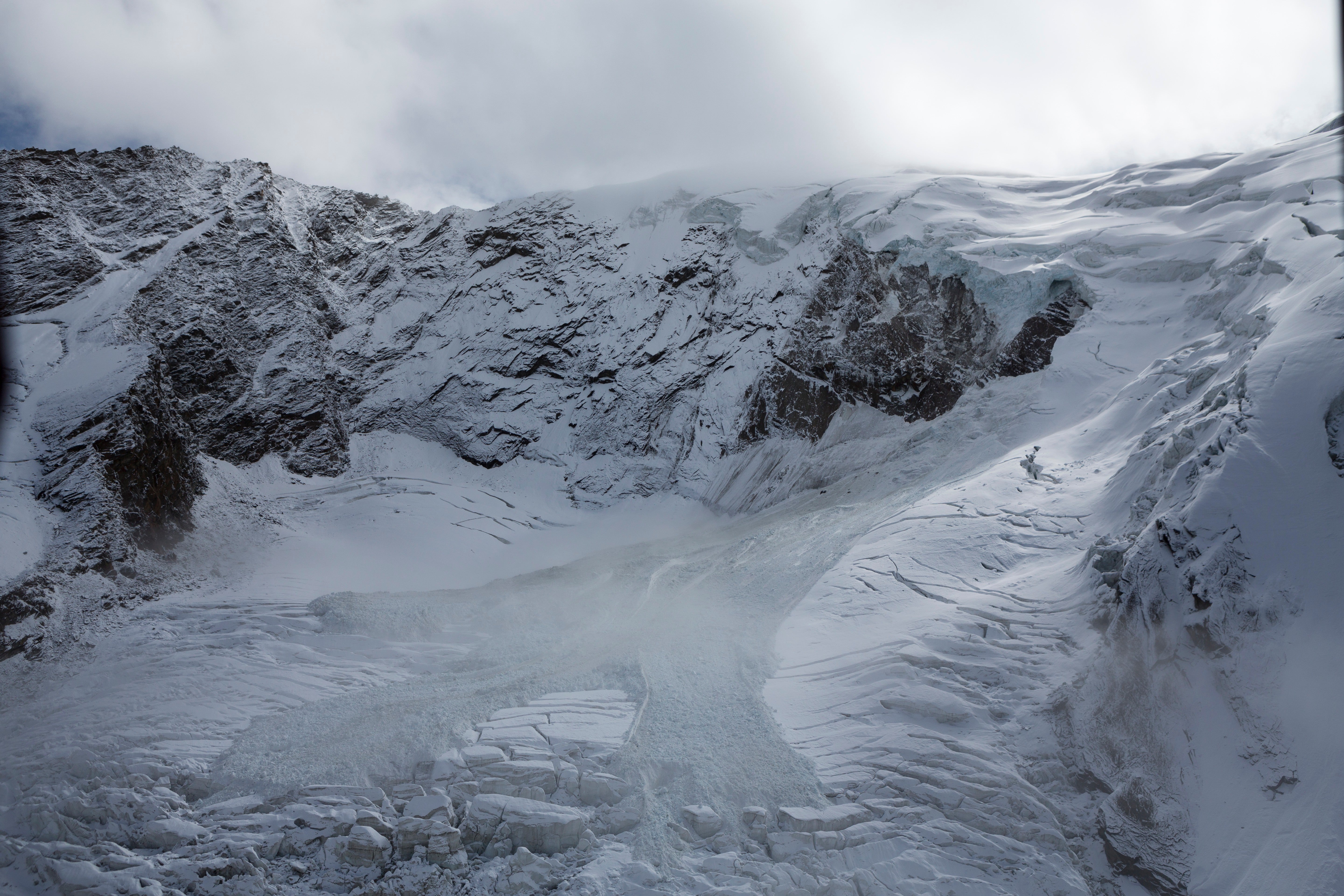 The Trift Glacier above the village of Saas-Grund, Valais
independent.co.uk
The Trift Glacier above the village of Saas-Grund, Valais
independent.co.uk
Two bodies emerged from a retreating Swiss glacier in late July, ending a decades-old disappearance case and adding to a growing list of human remains revealed by melting ice. According to The Independent, a hiker found the remains after the Trift glacier retreated, prompting a formal recovery operation by authorities in Switzerland’s Valais region. DNA analysis carried out at a Valais hospital identified the dead as two Belgian climbers who went missing in 1992 near the Weissmies peak.
Valais police keep a database of missing-person reports stretching back across the past century, and the glacier has increasingly become an unplanned archivist. The mechanics are straightforward: what was once sealed under snow and ice is being transported and then uncovered as accumulation gives way to net melt. For families, identification can arrive through a phone call decades after a search has ended; for local authorities it arrives as a new kind of casework, requiring recovery missions, forensic handling, and cross-border notification.
The Independent notes that similar finds have become more frequent in Switzerland. In 2021, DNA tests identified a body found near the Matterhorn as a German mountaineer who disappeared in 1986. In 2015, the remains of two Japanese climbers lost in a 1970 snowstorm on the Matterhorn were identified through DNA testing of relatives. And the glacier does not return only bodies: in 2022, parts of a small plane that crashed in 1968 were found on the Aletsch glacier.
These discoveries sit alongside a tourism economy that sells permanence—peaks, routes, and “classic” climbs—while the physical environment becomes less stable and more revealing. Switzerland has around 1,400 glaciers, more than any other country in Europe, and Swiss glaciers make up roughly half of the glaciers in the European Alps, according to the report. When ice retreats, it changes the hazards of travel, but it also changes what the mountains disclose, shifting costs onto local government recovery teams and forensic services long after the original incident.
The two Belgian climbers were 39 and 41 when they vanished. Their remains were recovered not near where they went missing, but near the Trift glacier, far from the starting point of the mystery.