
UAE halts all trade with Iran
Abu Dhabi cites missile incidents and financial-system risk, enforcement hinges on whether flows can still route via third countries
Images
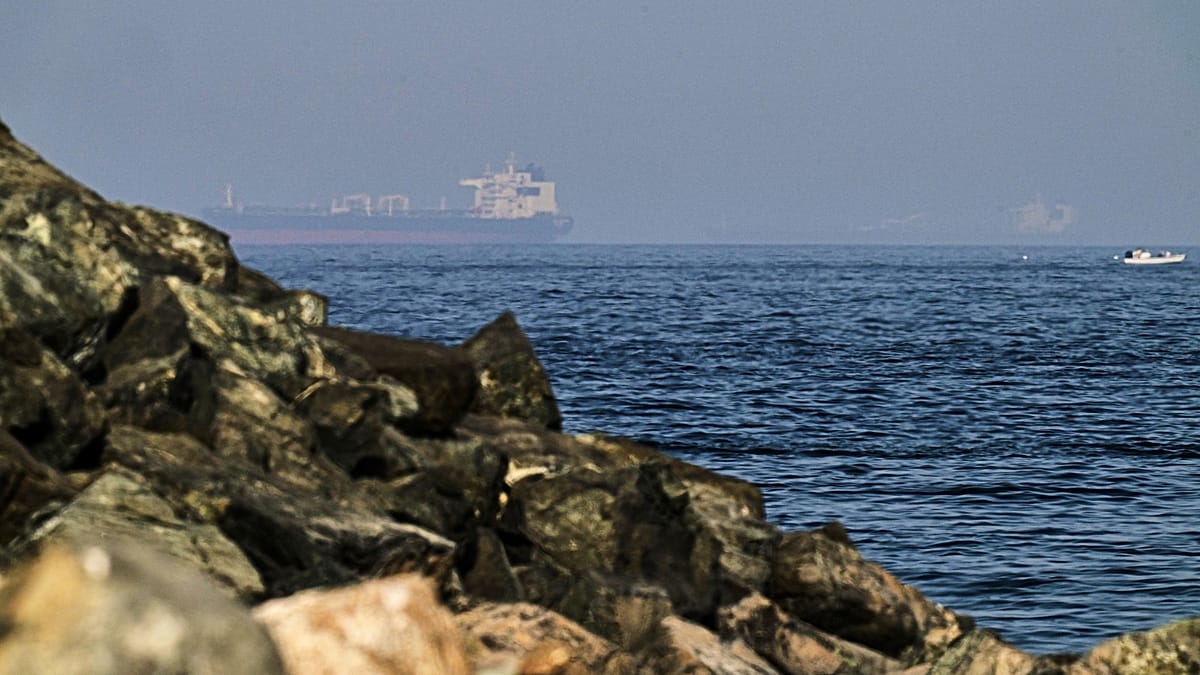 UAE halts all trade and financial dealings with Iran
euronews.com
UAE halts all trade and financial dealings with Iran
euronews.com
The United Arab Emirates has ordered a halt to all trade, commercial exchange and financial transactions with Iran, according to Euronews, framing the move as a response to “regional escalations” after two ballistic missiles launched from Iran fell into the sea, with one landing in Emirati territorial waters.
Abu Dhabi said the suspension would remain in place “until further notice” and presented it as a protective step for the international financial system. Iran denied targeting the UAE, with foreign ministry spokesman Esmail Baghaei rejecting the Emirati account. The announcement came as Iranian military officials warned Gulf states against assisting US operations, arguing that any cooperation would make them participants in American military action.
The decision lands on a relationship that has long mixed public rivalry with private commerce. The UAE has been a key conduit for sanctioned Iranian trade, and the Euronews report notes that it is unclear whether the new ban covers flows routed through third countries. That caveat matters because sanctions evasion is often logistical rather than ideological: when direct channels close, business migrates to intermediaries, free zones and layered ownership structures that make enforcement expensive.
Euronews points to earlier US Treasury reporting that Iranian networks have used front companies in third countries, including UAE free trade zones and Hong Kong entities banking in China, to move money through non-resident accounts. A blanket suspension therefore tests not only political will in Abu Dhabi but also the compliance capacity of banks, customs authorities and corporate registries that profit from high-volume trading activity.
The timing also reflects the spillover economics of proxy warfare. The report says tankers linked to ADNOC, the Emirati state oil company, have been targeted repeatedly in recent weeks, and that the UAE has previously blamed a missile strike on an ADNOC carrier transiting the Strait of Hormuz. When shipping risk rises, the first pressure shows up in insurance pricing and route choice; the next is political, as governments try to shift the costs onto someone else by redefining routine commerce as a security exposure.
For Iran, the move tightens a regional squeeze at a moment when Gulf states are simultaneously trying to avoid being treated as launchpads and trying to keep their ports and financial hubs open for business. For the UAE, the public line is financial integrity and de-escalation, but the practical question is whether a trading hub can credibly shut a door that has historically been a revenue stream.
Abu Dhabi’s order is broad on paper and ambiguous in execution. The first test will be whether transactions stop—or simply reappear under different flags and paperwork.