
Trump threatens secondary sanctions over Iran lifelines
Truth Social post targets banks shippers and front companies, war risk shifts from oil flows to payment rails
Images
 independent.co.uk
 independent.co.uk
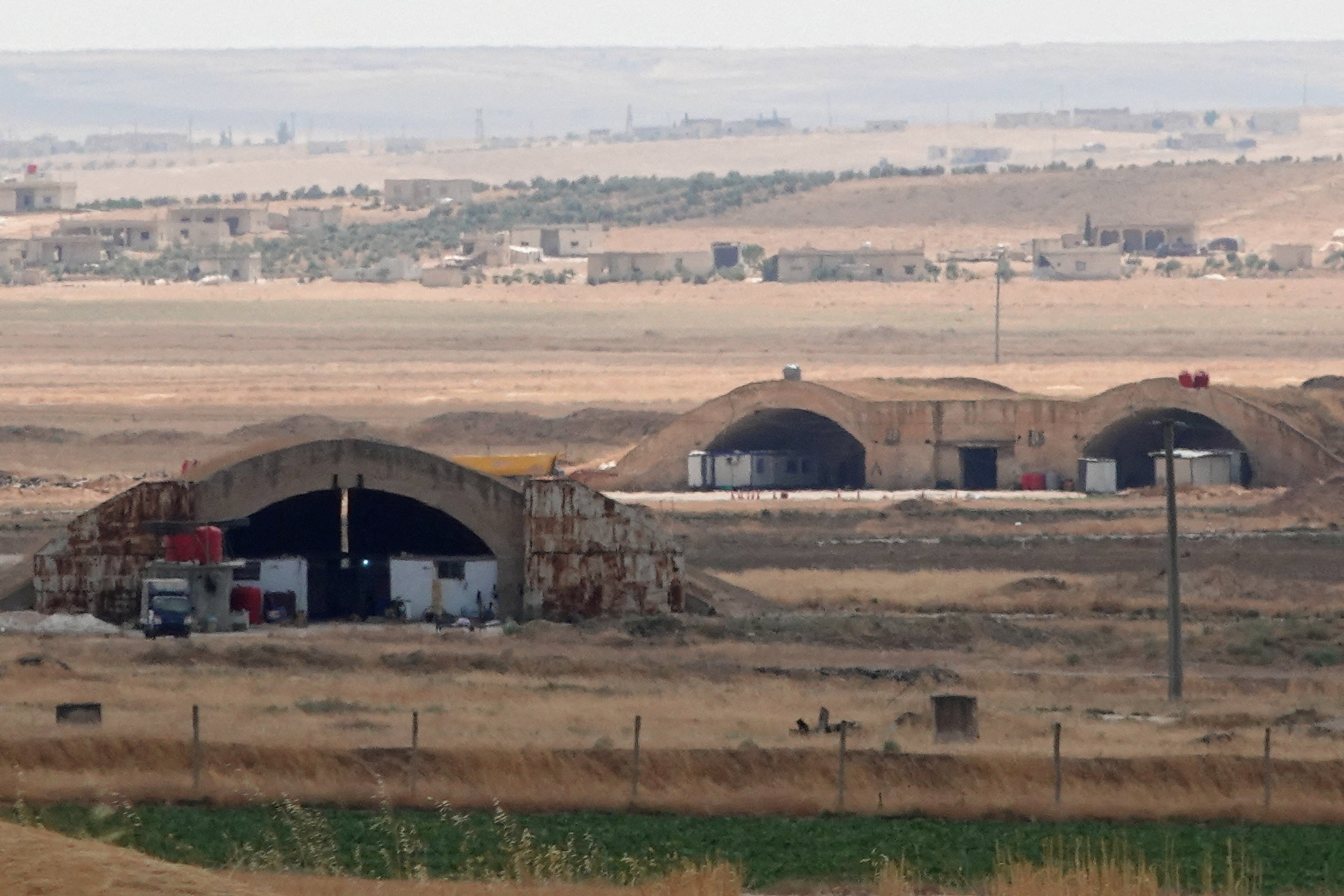 Syria’s Abu al-Duhur airbase (Reuters)
Reuters
Syria’s Abu al-Duhur airbase (Reuters)
Reuters
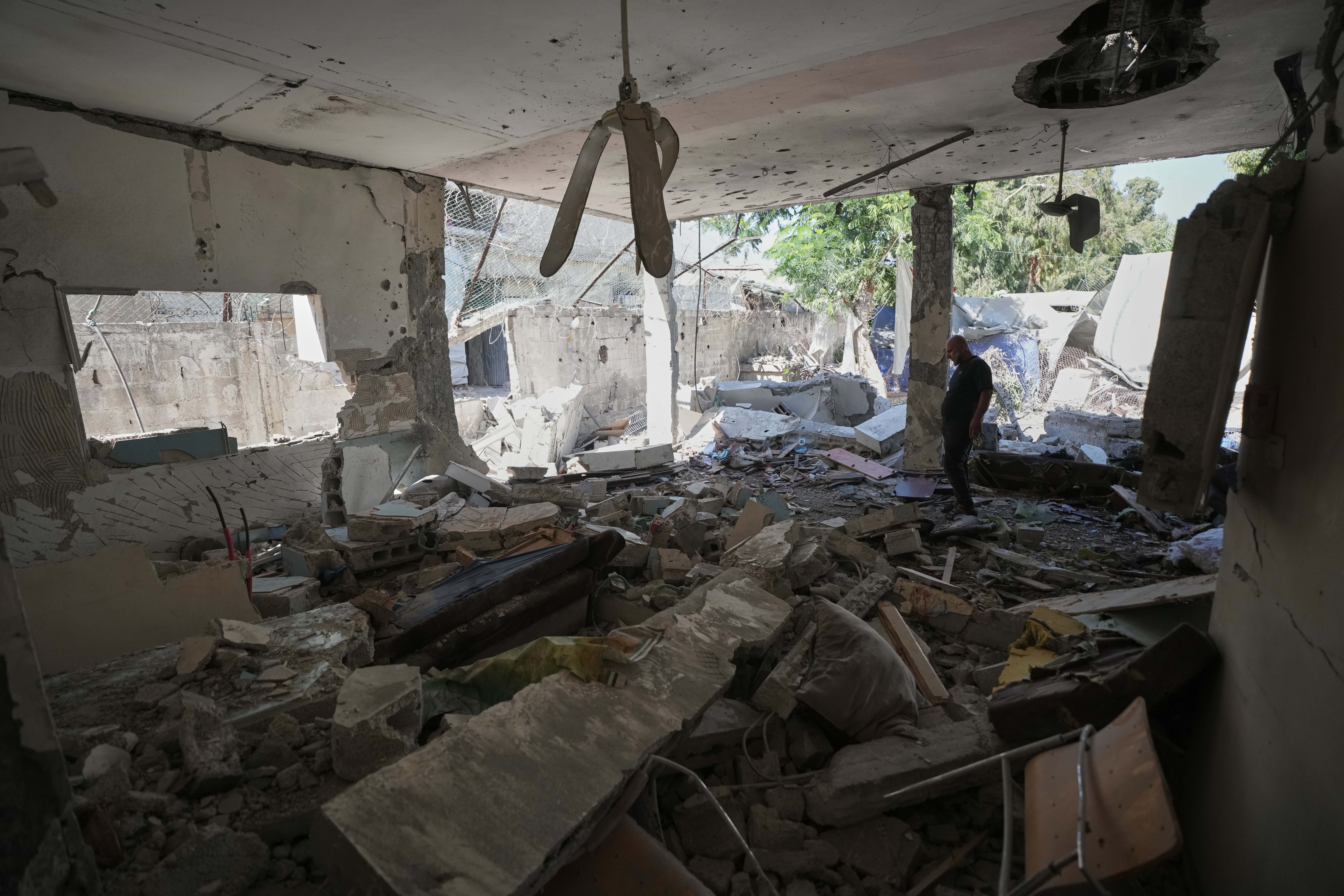 A police station that was hit by an Israeli airstrike in Gaza City on Wednesday (AP)
independent.co.uk
A police station that was hit by an Israeli airstrike in Gaza City on Wednesday (AP)
independent.co.uk
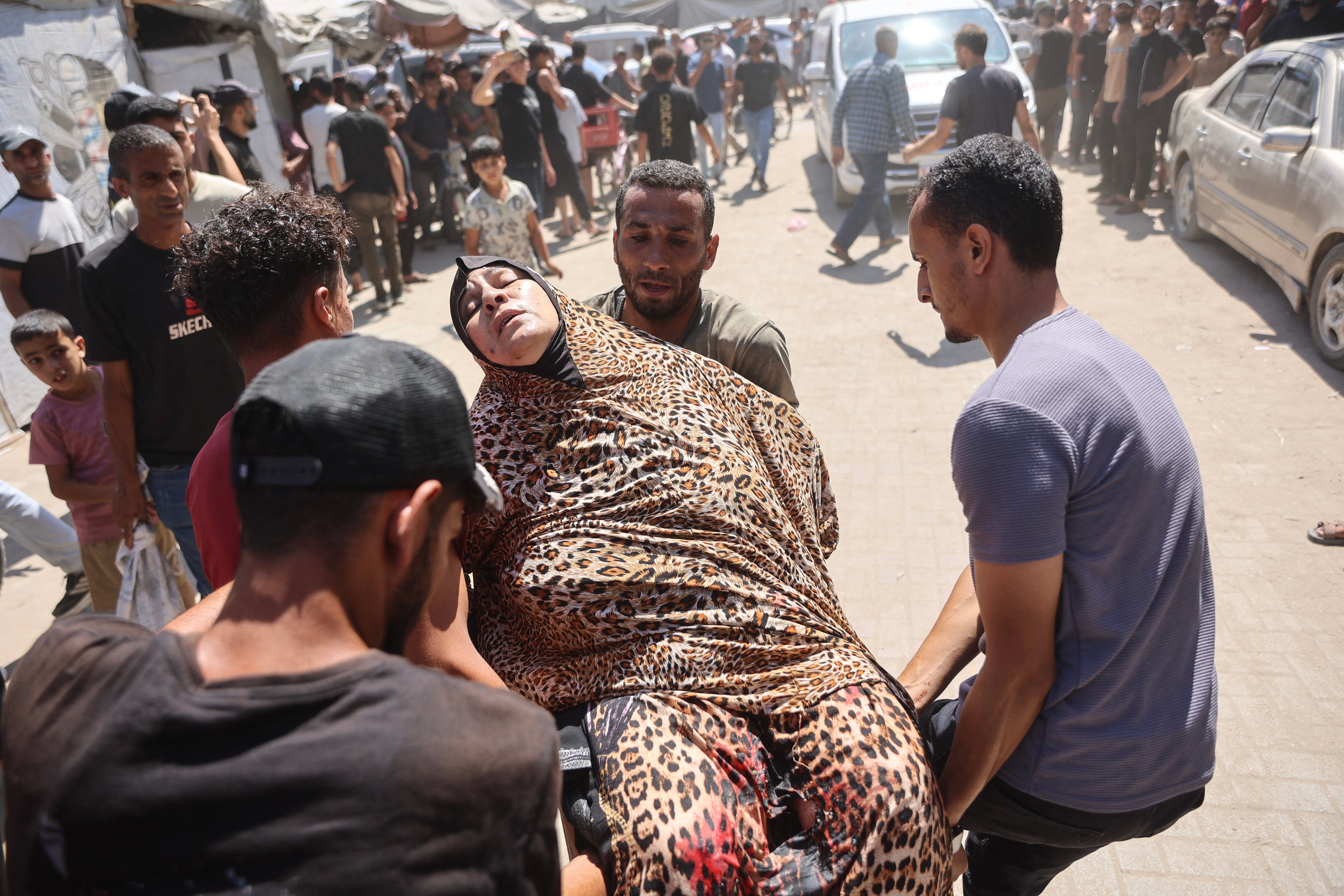 Palestinians carry a victim away from the site of Israel’s strike on Nuseirat (AFP/Getty)
AFP/Getty
Palestinians carry a victim away from the site of Israel’s strike on Nuseirat (AFP/Getty)
AFP/Getty
Donald Trump has threatened sweeping secondary sanctions against any country or institution that provides what he called a financial “lifeline” to Iran, expanding the economic perimeter of the war beyond the battlefield. In a Truth Social post cited by the Independent, Trump listed oil smuggling, swap lines, cash transfers, exchange houses, ship registries and front companies as targets, warning of “tremendous economic consequences” for violators. The message landed as Gulf states trade accusations with Tehran over missile launches and maritime threats.
The practical effect of such threats is to turn ordinary cross-border commerce into a compliance problem for banks, insurers, shippers and port operators that are not party to the conflict. Secondary sanctions work by forcing third countries to choose between access to the US financial system and doing business with the sanctioned target; companies that clear payments in dollars or rely on US-linked correspondent banking tend to treat that choice as non-negotiable. Trump’s list also signals that enforcement would not be limited to crude exports but could reach the plumbing that keeps trade moving: vessel registration, middlemen, and payment channels used to disguise origin and destination. For energy markets, the timing matters because the Strait of Hormuz remains the key physical choke point for oil and gas flows, and the conflict has already pushed governments to discuss consumer relief and price caps rather than supply expansion.
The Independent reports that Iran has warned Gulf states against assisting US forces, while the United Arab Emirates accused Iran of launching ballistic missiles that it said targeted maritime traffic; the UAE said both missiles fell into the sea. Even without direct hits, the combination of military risk and legal risk raises the cost of moving cargo: shipowners demand higher rates, insurers reprice coverage, and traders widen margins to cover disruptions that cannot be hedged away. In Europe, where imported energy feeds directly into household bills and industrial costs, politicians face pressure to offset the shock with tax cuts and subsidies—measures that cushion consumers in the short term but leave the underlying exposure to external supply routes unchanged.
Trump’s post did not announce new sanctions instruments or identify which countries were under immediate scrutiny. It did, however, enumerate the workarounds that keep sanctioned trade alive, effectively putting compliance departments on notice that the US intends to police the grey zone as aggressively as the headline exports.
On Wednesday, the economic warning arrived in the same format as the military updates: a social-media statement, a list of targets, and a reminder that the price of a barrel of oil is not set only at wells and refineries but also at payment rails and ship registries.