
Trump orders major cut to US South Korea drills
Kim Yo Jong dismisses move as cosmetic while Trump floats meeting with Kim Jong Un, alliance readiness becomes a variable in personal diplomacy
Images
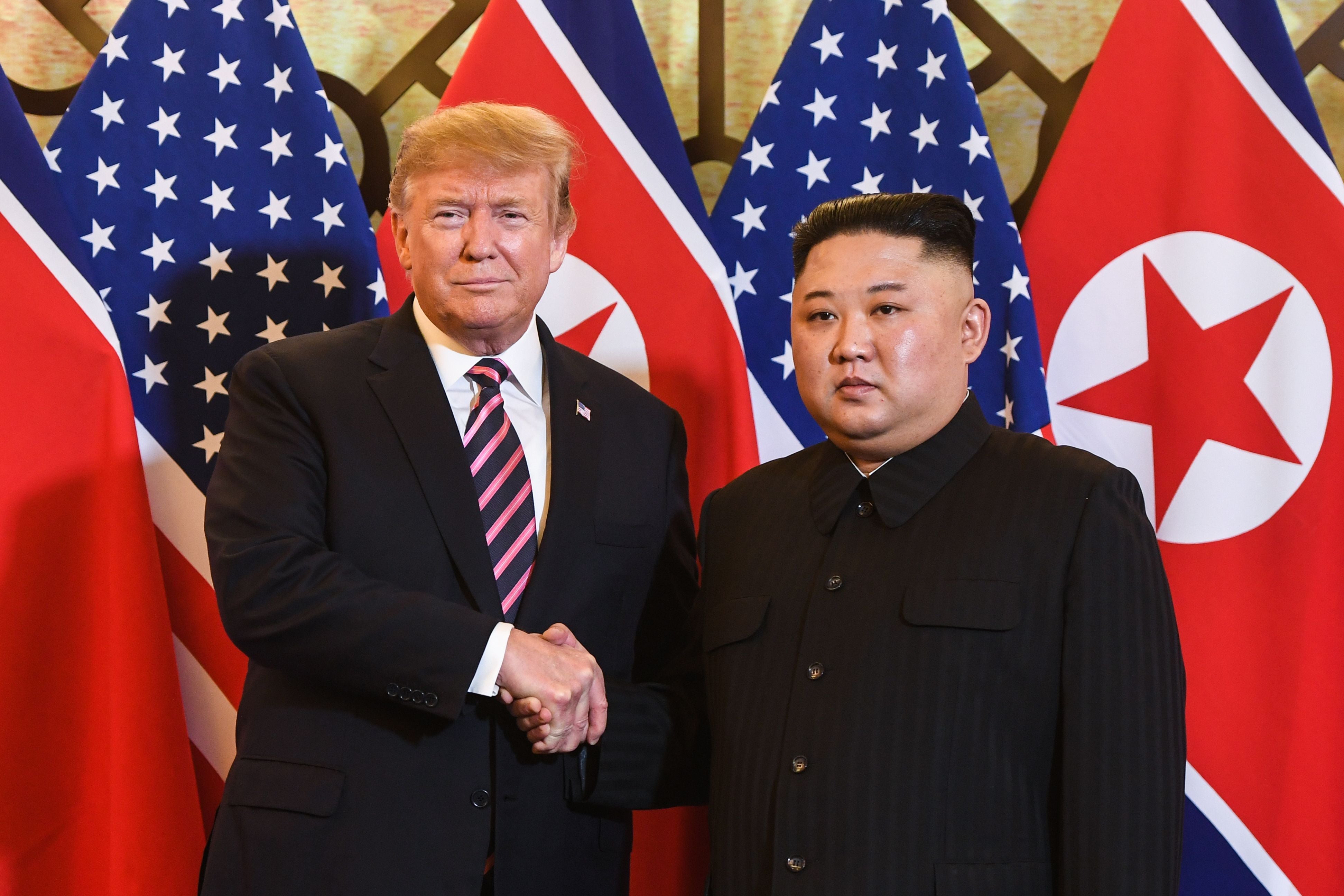 Trump shakes hands with Kim Jong Un before a meeting at the Sofitel Legend Metropole hotel in Hanoi on February 27, 2019 (AFP/Getty)
AFP/Getty
Trump shakes hands with Kim Jong Un before a meeting at the Sofitel Legend Metropole hotel in Hanoi on February 27, 2019 (AFP/Getty)
AFP/Getty
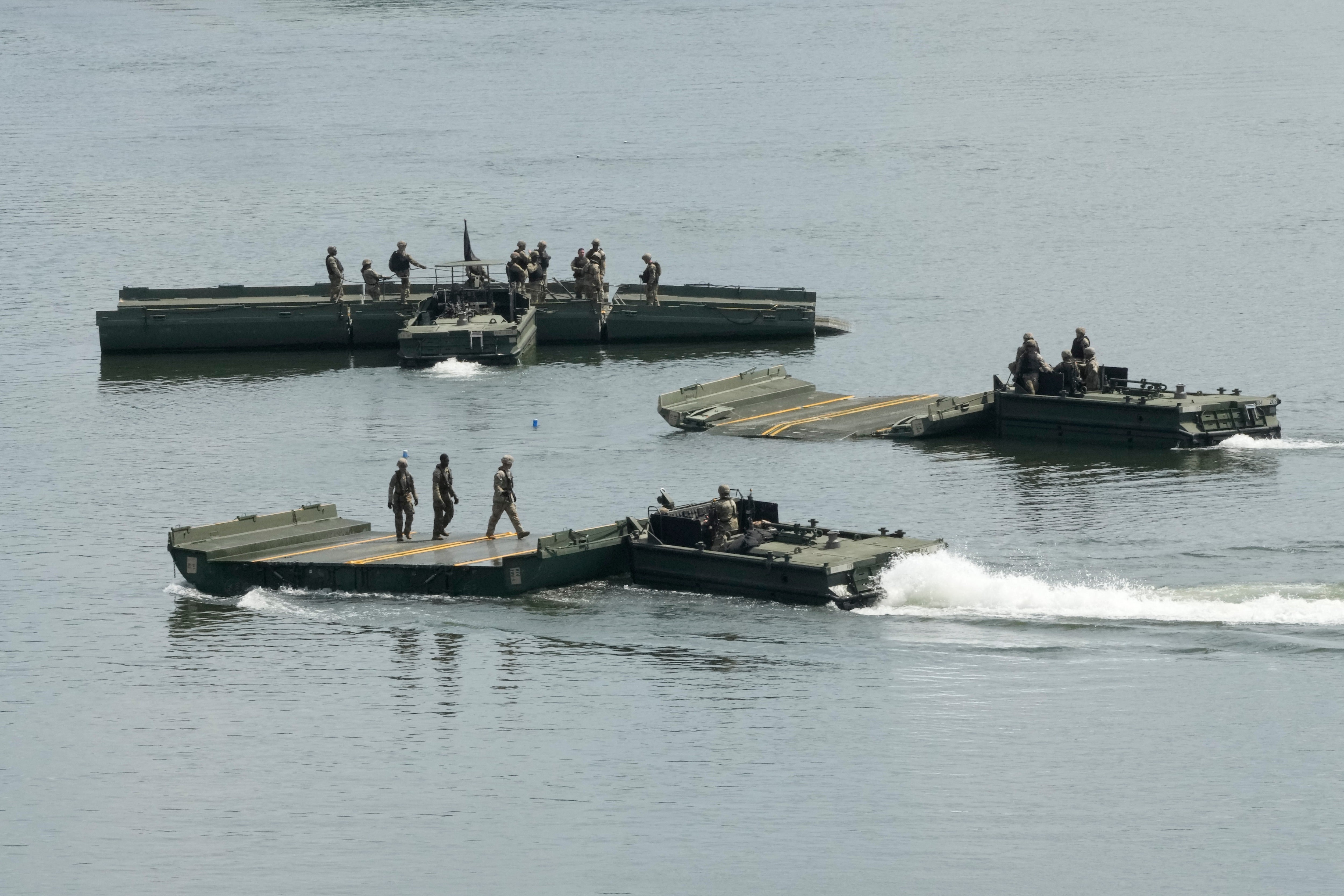 The U.S. Army's soldiers conduct a training exercise on a river in Yeoncheon, South Korea, near the border with North Korea, Tuesday, Aug. 18, 2026 (AP)
independent.co.uk
The U.S. Army's soldiers conduct a training exercise on a river in Yeoncheon, South Korea, near the border with North Korea, Tuesday, Aug. 18, 2026 (AP)
independent.co.uk
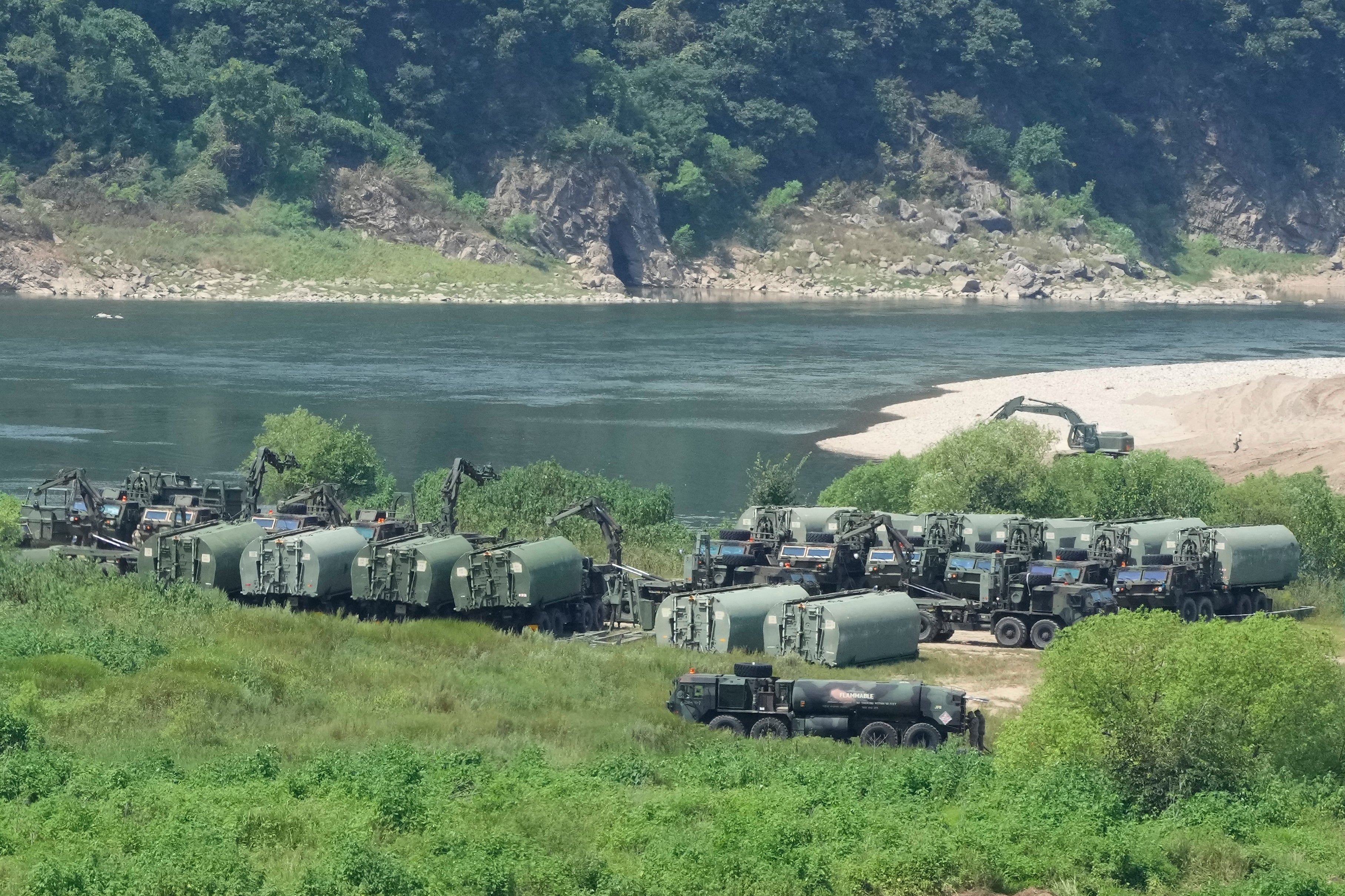 The U.S. Army's armored vehicles gather to cross a river at a training field in Yeoncheon, South Korea, near the border with North Korea (AP)
independent.co.uk
The U.S. Army's armored vehicles gather to cross a river at a training field in Yeoncheon, South Korea, near the border with North Korea (AP)
independent.co.uk
 Donald Trump (right) and Kim Jong-un in 2018. On Wednesday the US leader declined to say whether or not the two were in direct contact. Photograph: Evan Vucci/AP
theguardian.com
Donald Trump (right) and Kim Jong-un in 2018. On Wednesday the US leader declined to say whether or not the two were in direct contact. Photograph: Evan Vucci/AP
theguardian.com
Donald Trump has ordered a major cutback in the annual Ulchi Freedom Shield exercises with South Korea just days before they were due to begin, and says he plans to meet North Korean leader Kim Jong Un later this year. North Korea’s response came in a late-night statement carried by state media from Kim Yo Jong, Kim’s sister, dismissing the change as irrelevant to what Pyongyang calls the drills’ “provocative and aggressive” nature.
According to The Guardian, Trump has also suggested that secret communications with Kim are under way, telling reporters that Kim had responded to his request for a conversation, before declining to confirm direct contact when pressed. Kim Yo Jong said she knew “absolutely nothing” about any such communications, while adding that her brother had “personally good memories and feelings” toward Trump even as the United States remained an enemy and its “hostile policy” had not changed. The Independent reports that South Korean officials said the US announcement arrived without warning, a detail that matters because these exercises are not only deterrence theatre but also routine staff work: large forces rotate personnel, and full-scale rehearsals are where new commanders learn procedures that only exist on paper until they are run under time pressure.
US and South Korean military authorities say the drills are being shortened and reduced in size, with some events shifted into computer simulations, and the Pentagon insists there will be no degradation of training objectives. But the practical trade-off is visible in what is being cut: fewer field training operations, less time, and fewer opportunities to test real-world coordination. Analysts cited by The Independent argue that missing full-scale repetitions leaves gaps in familiarity with operational procedures—exactly the kind of institutional memory that cannot be replaced by statements about “readiness” after the schedule has been rewritten.
Trump has framed the decision as part of his personal approach to Kim and has publicly criticized Seoul, including over South Korea not supporting his stance on Iran, according to The Independent. That puts an ally’s core security arrangement into the same bargaining space as unrelated disputes, while North Korea can treat the reduced exercises as a cost imposed on the alliance without paying anything in return. Trump has also made unusually specific public claims about North Korea’s nuclear arsenal, saying it has 57 nuclear weapons, even as US agencies do not publish official estimates; The Independent notes a 2025 Congressional Research Service report estimating fissile material for up to 90 warheads and that North Korea may have assembled roughly 50.
The immediate outcome, for now, is a shorter drill calendar and a North Korean statement saying nothing has changed.
The exercises will now conclude earlier than planned, and Seoul says it adjusted the schedule following American requests.