
Zelenskyy sacks senior presidential aide
Anti-corruption agencies announce money-laundering probe same day, wartime governance strains under donor scrutiny
Images
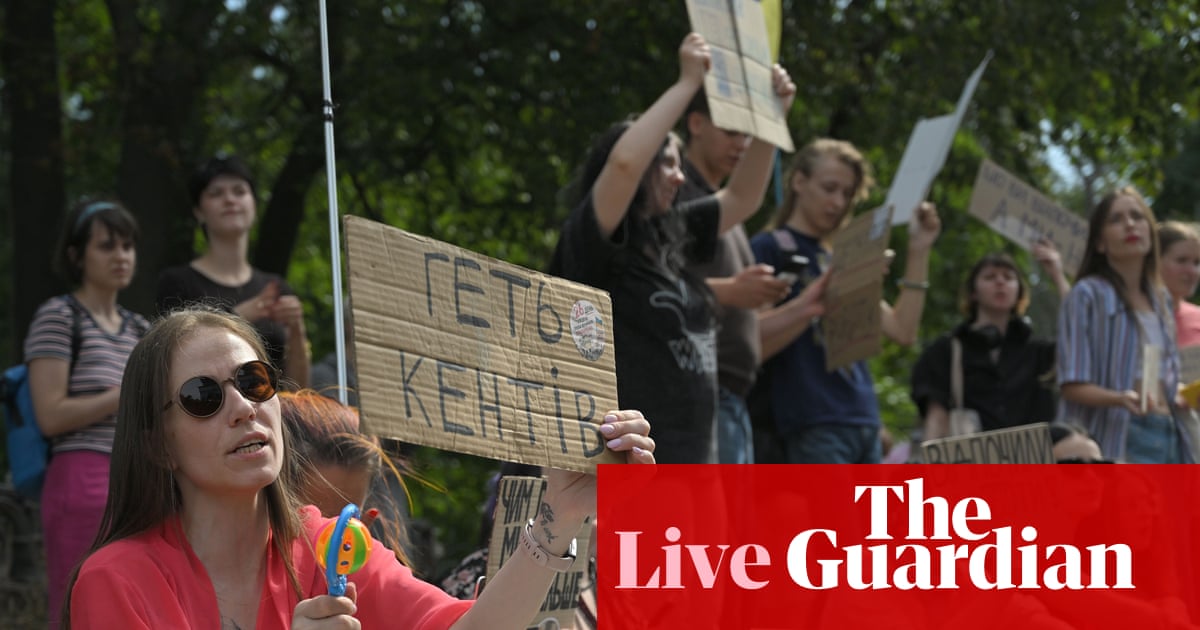 Zelenskyy sacks deputy head of his office amid reported corruption investigation – Europe live
theguardian.com
Zelenskyy sacks deputy head of his office amid reported corruption investigation – Europe live
theguardian.com
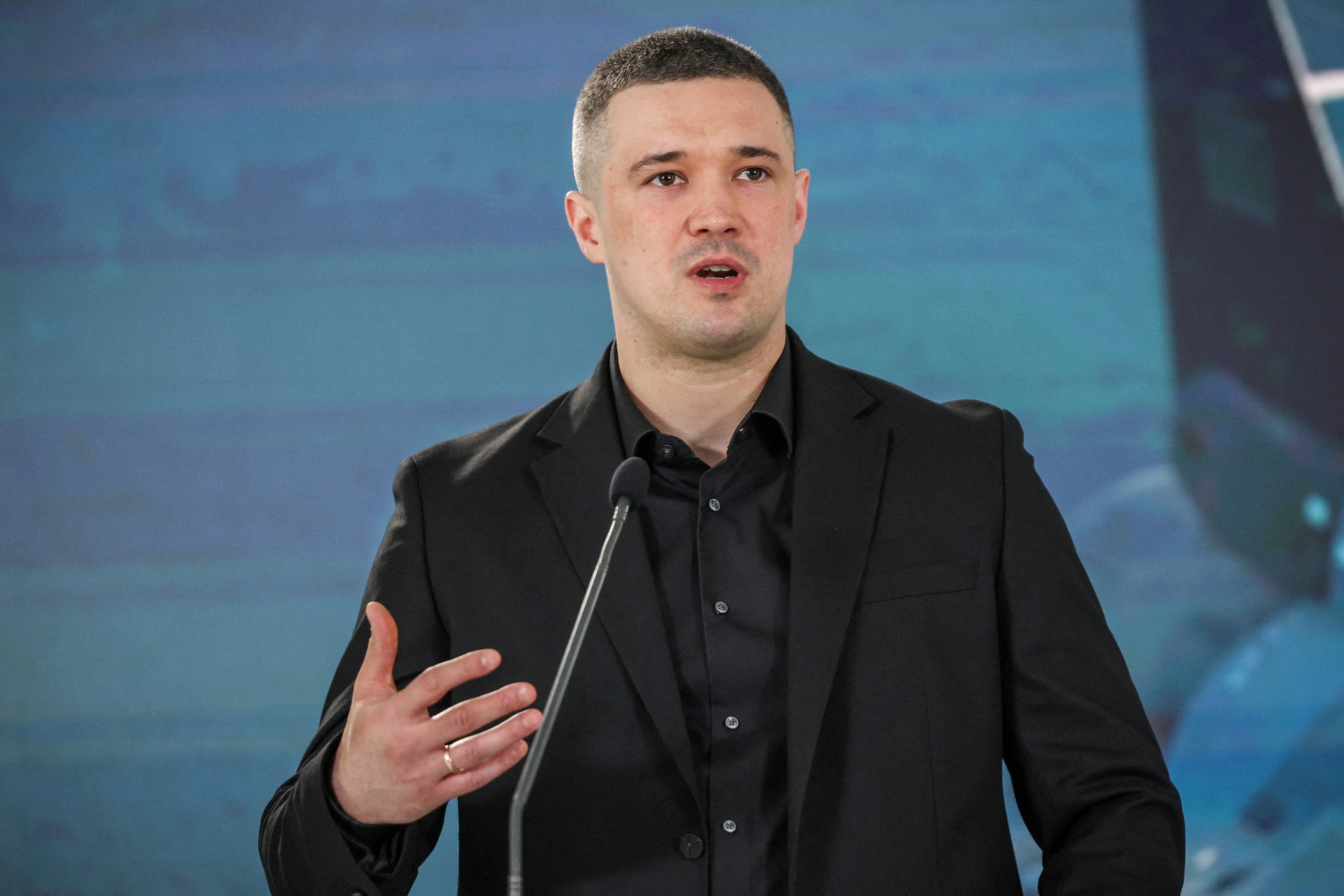 Ukraine’s minister of defence Mykhailo Fedorov speaks at a joint press conference with his Swedish counterpart Pal Jonson (not pictured), in Kyiv, 1 July 2026 (Reuters)
Reuters
Ukraine’s minister of defence Mykhailo Fedorov speaks at a joint press conference with his Swedish counterpart Pal Jonson (not pictured), in Kyiv, 1 July 2026 (Reuters)
Reuters
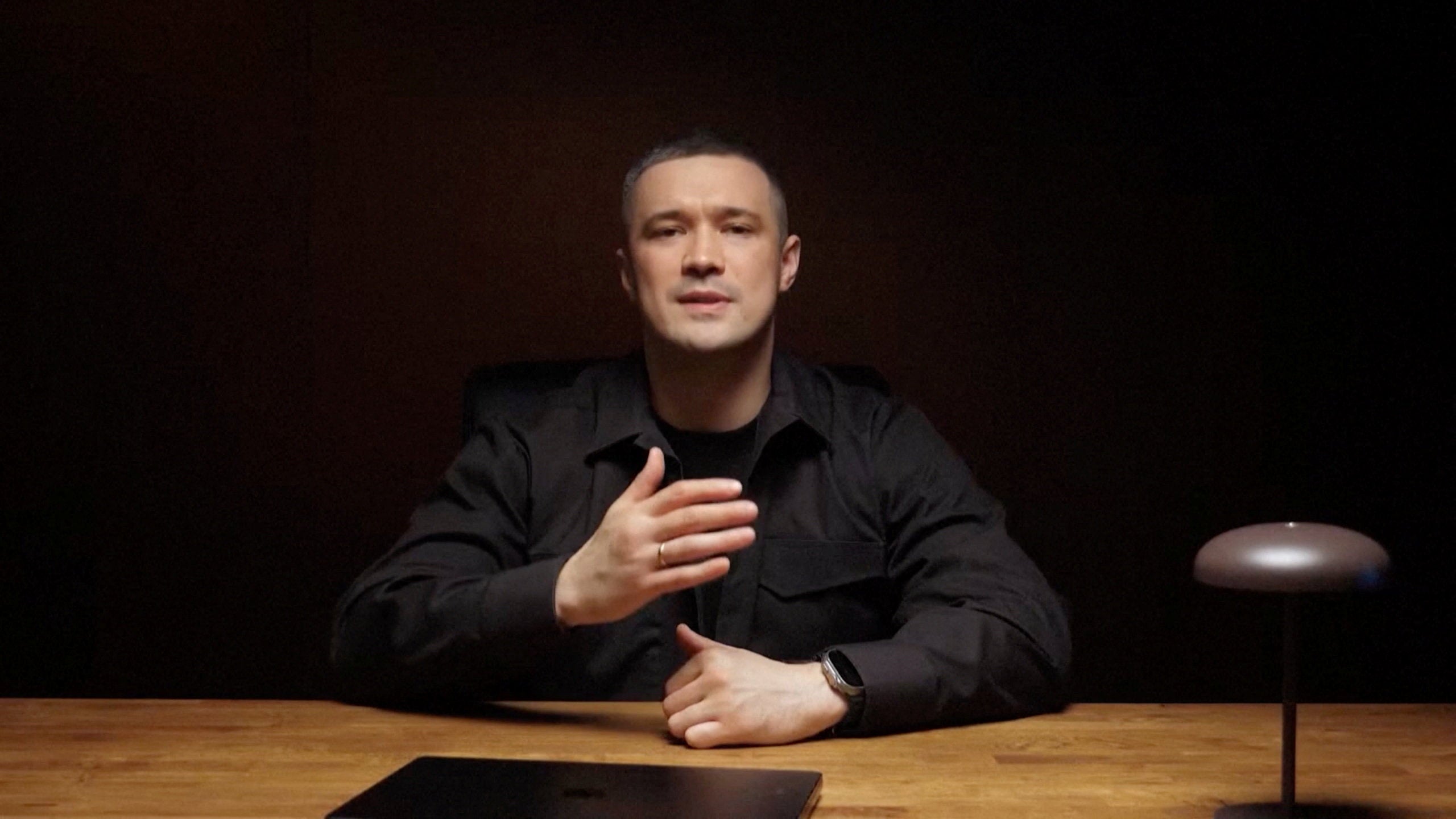 Mykhailo Fedorov speaks to Ukrainians in his video address (Reuters)
Reuters
Mykhailo Fedorov speaks to Ukrainians in his video address (Reuters)
Reuters
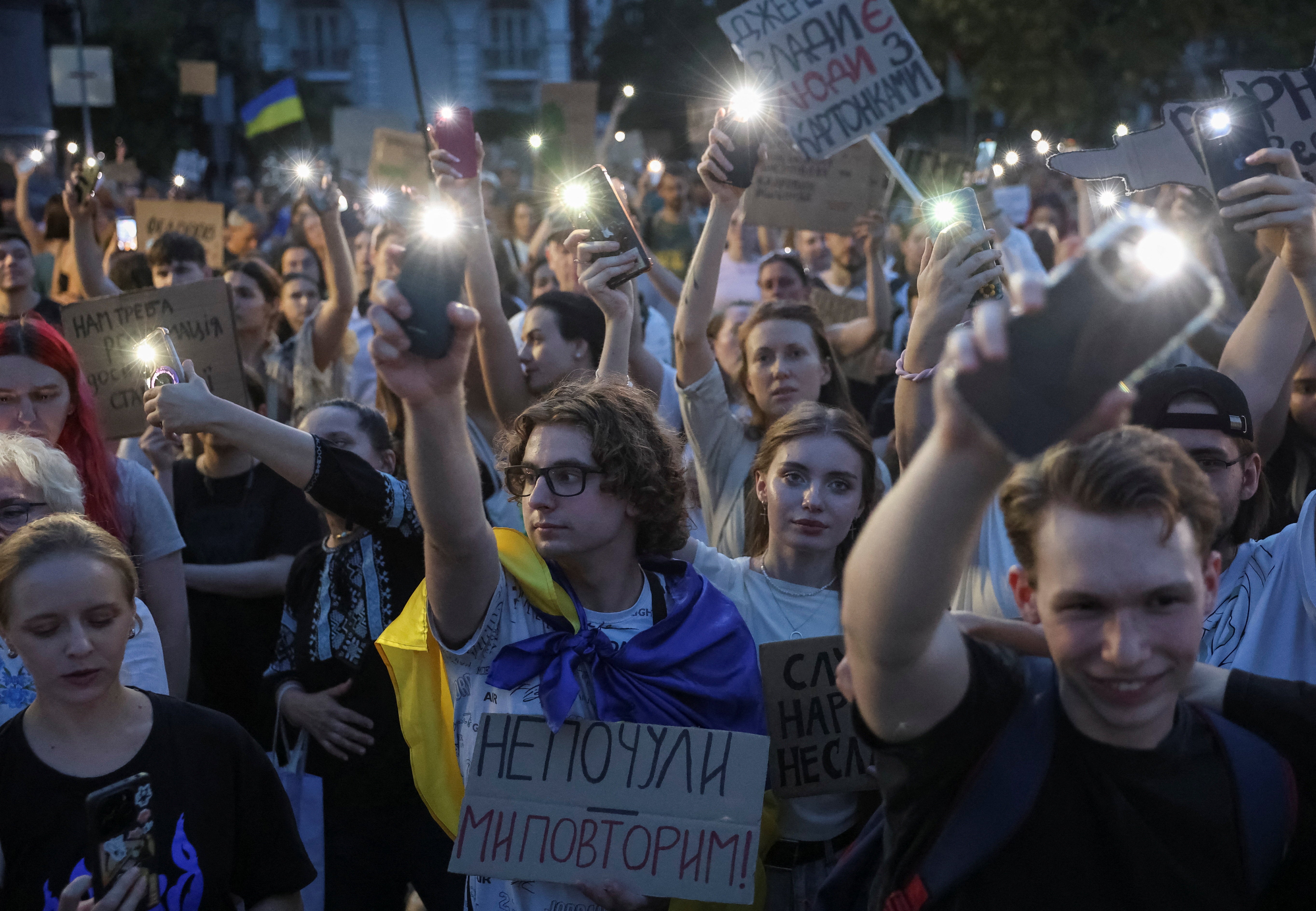 Ukrainians protests against president Volodymyr Zelenskiy's decision to remove Mykhailo Fedorov (Reuters)
Reuters
Ukrainians protests against president Volodymyr Zelenskiy's decision to remove Mykhailo Fedorov (Reuters)
Reuters
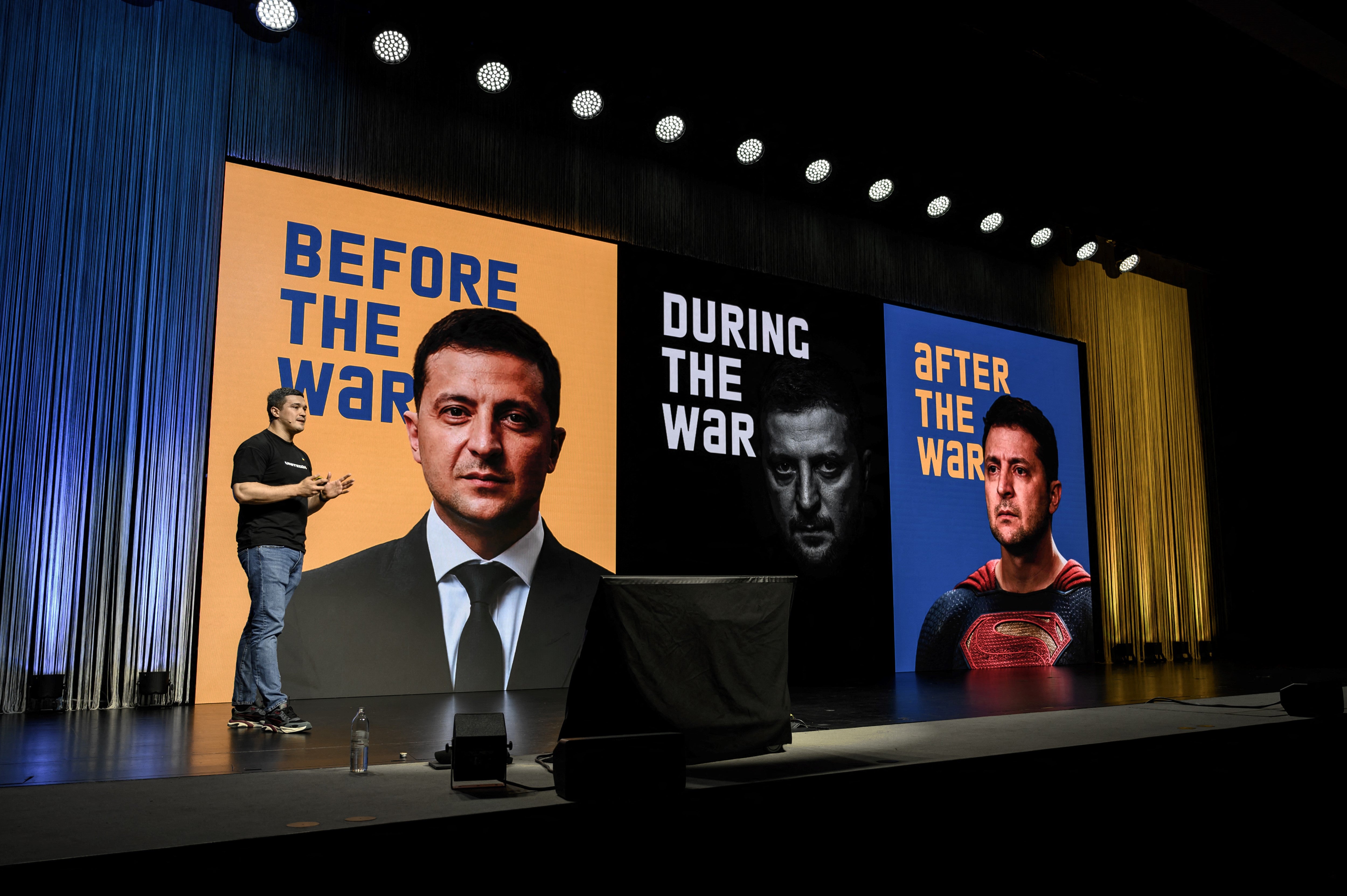 Mykhailo Fedorov delivers a speech next to pictures of Volodymyr Zelensky during of a two-day International conference on reconstruction of Ukraine (AFP/Getty)
AFP/Getty
Mykhailo Fedorov delivers a speech next to pictures of Volodymyr Zelensky during of a two-day International conference on reconstruction of Ukraine (AFP/Getty)
AFP/Getty
President Volodymyr Zelenskyy has dismissed Iryna Mudra, the deputy head of Ukraine’s presidential office, in a decree published on the president’s website on Wednesday, according to The Guardian. The decree gave no official reason. The move came the same day Ukraine’s anti-corruption agencies said they had uncovered a suspected money-laundering group that reportedly included a senior presidential official, though there has been no official confirmation linking Mudra’s dismissal to that investigation.
The timing matters because Ukraine is trying to run a war while also running a state that depends heavily on foreign financing, weapons supply chains, and public trust that procurement and reconstruction money will not be siphoned off. When senior officials are removed without explanation, the vacuum is filled by speculation: either Kyiv is acting quickly to contain a scandal, or it is reshuffling to manage internal politics, or both. Anti-corruption investigations, by their nature, can collide with wartime secrecy and a security apparatus that prefers closed processes; the more the state asks citizens and donors to accept emergency rules, the more it needs visible proof that insiders are not exempt.
That tension is now being used as a political wedge. The Independent reports that Mykhailo Fedorov, Ukraine’s former defence minister who was ousted in July, has released a video address calling for wartime elections and arguing that “democracy cannot be held hostage” by Russia. Zelenskyy has refused to hold elections while martial law is in place, saying a vote can only happen after a ceasefire and security guarantees. Fedorov’s intervention lands as parliament is being asked to confirm a new defence minister, and after weeks of protests tied to his firing and to a wider dispute over military leadership and battlefield strategy.
In practice, elections during an active war are not a single decision but a chain of operational problems: voter registration, campaigning, security at polling sites, and participation by soldiers and displaced people. Yet the longer elections are deferred, the more political competition shifts from ballots to internal appointments, dismissals, and control over ministries that buy equipment and manage budgets. Fedorov has framed his own removal partly around defence procurement reforms, and his supporters have protested around the question of who controls the institutions that spend wartime money.
Mudra’s dismissal was published as a short decree. By nightfall, Ukraine’s politics had acquired another open question that no decree answered.