
EBU tightens Eurovision hosting rules
Winning countries can be barred during armed conflict or sensitive geopolitics, replacement host no longer stages contest on winner’s behalf
Images
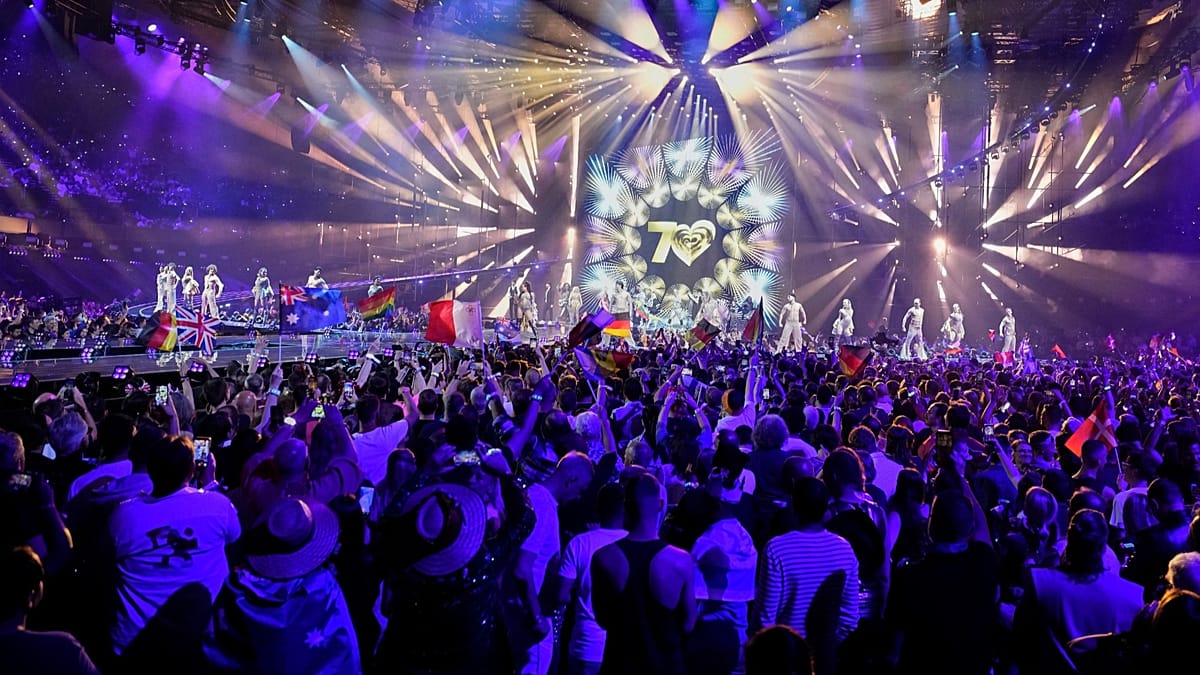 Eurovision to exclude countries at war from hosting contest, EBU says
euronews.com
Eurovision to exclude countries at war from hosting contest, EBU says
euronews.com
The European Broadcasting Union has rewritten the hosting rules for Eurovision: win the contest, and you may still lose the right to stage it. Euronews reports the EBU will now deem a winning broadcaster ineligible if an armed conflict, a “sensitive geopolitical situation”, or any other condition materially affects the security, safety or stability of the state or its immediate region. The organisation says it may commission an independent security assessment before making a decision.
Eurovision is often described as cultural entertainment with political spillover, but the new rule formalises the spillover as a governance process. Hosting is not a symbolic trophy; it is a logistical and financial undertaking carried by the national broadcaster and its partners, with security planning that can dominate budgets and public space. By writing conflict and instability into eligibility, the EBU is shifting from improvisation after crises to a standing mechanism that can overrule the winner.
The timing reflects how quickly participation disputes have become routine. Euronews notes that Israel finished second in both 2025 and 2026, while five countries — Spain, Ireland, the Netherlands, Slovenia and Iceland — boycotted the 2026 contest in Vienna because they said they could not take part alongside Israel during Israel’s war in Gaza, triggered by Hamas’ 7 October 2023 attack. The EBU’s membership also extends beyond Europe, meaning the contest’s footprint can include conflicts far from the EU’s borders even when the production is staged in a European city.
The new framework also changes what happens when the winner cannot host. Under the updated rules, Euronews reports the EBU will appoint another host nation, and that host will stage the contest on its own behalf rather than “on behalf of” the ineligible winner. That departs from recent precedent: Ukraine hosted in 2017 despite conflict in the east, and after Ukraine won in 2022, the 2023 contest was held in Liverpool on Ukraine’s behalf because Russia’s full-scale invasion made hosting impossible.
Eurovision’s trophy is still awarded on stage in a single night. Under the EBU’s new rulebook, the right to host can now be decided later, in a security review written by someone else.