
Meta faces California federal trial over child harms
States seek billions and structural changes to Facebook and Instagram, internal safety research enters the record as product evidence
Images
 The lawsuit argues that Meta routinely collects data on children under 13 without their parents’ consent, in violation of federal law (AP Photo/Noah Berger)
Noah Berger)
The lawsuit argues that Meta routinely collects data on children under 13 without their parents’ consent, in violation of federal law (AP Photo/Noah Berger)
Noah Berger)
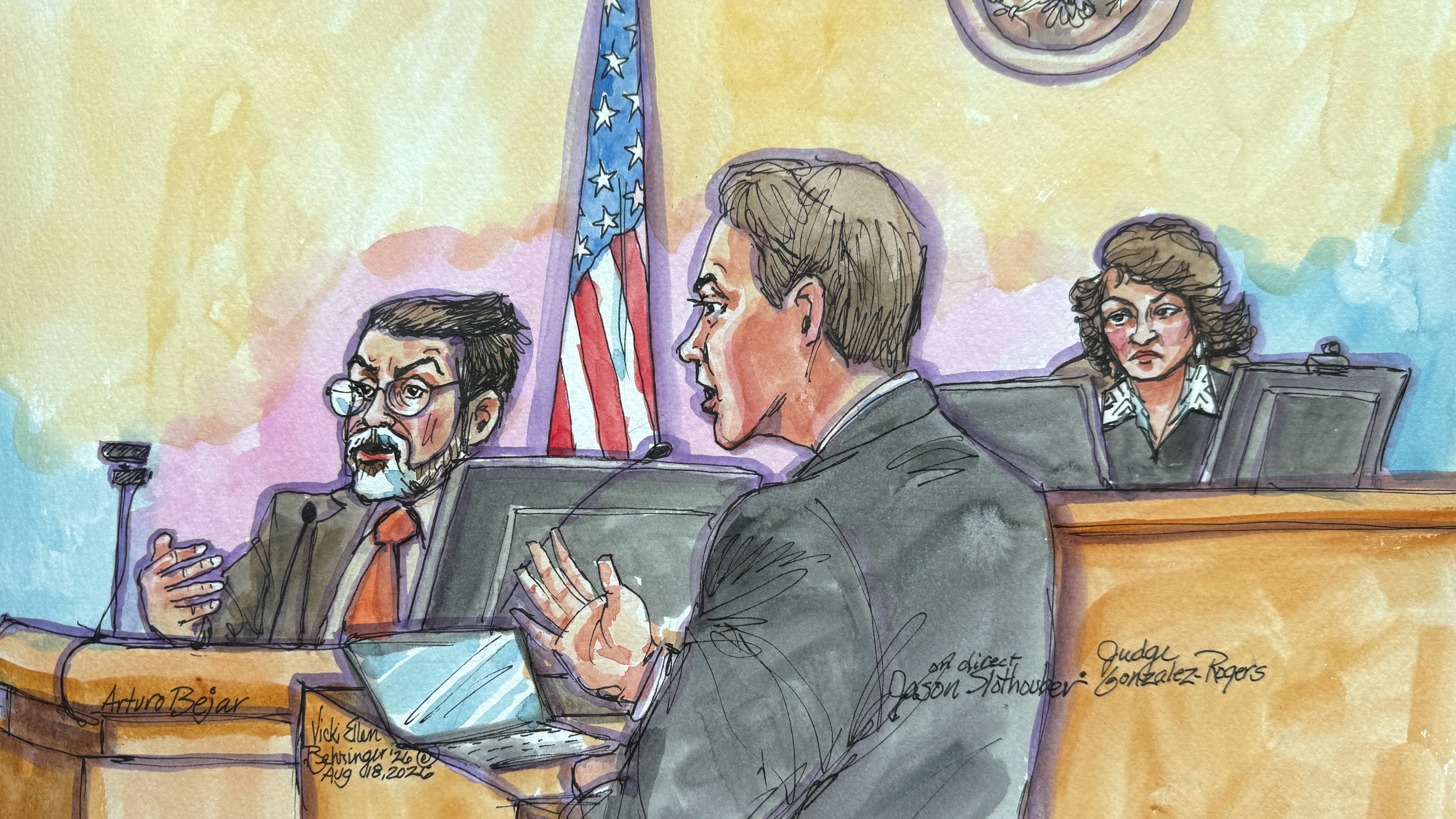 Béjar said that, contrary to Meta's statements, the company's research on safety issues was not being used to improve products (Reuters/Vicki Behringer)
Reuters/Vicki Behringer
Béjar said that, contrary to Meta's statements, the company's research on safety issues was not being used to improve products (Reuters/Vicki Behringer)
Reuters/Vicki Behringer
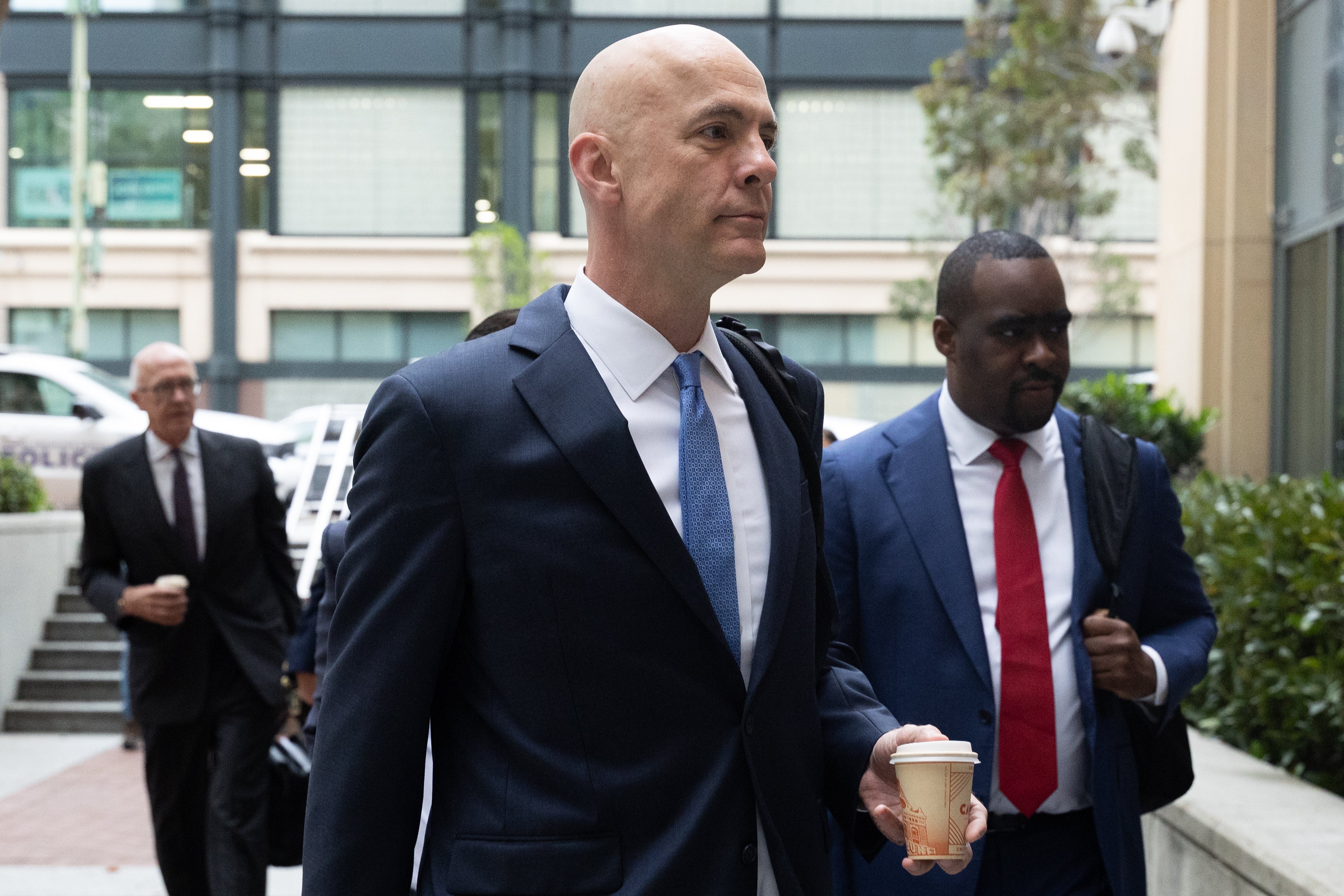 Meta lawyer Paul Schmidt laid out his case beginning with what is not disputed in the trial — that even though kids under 13 are not supposed to be on its apps, some lie about their age (Benjamin Fanjoy/Getty Images)
Benjamin Fanjoy/Getty Images
Meta lawyer Paul Schmidt laid out his case beginning with what is not disputed in the trial — that even though kids under 13 are not supposed to be on its apps, some lie about their age (Benjamin Fanjoy/Getty Images)
Benjamin Fanjoy/Getty Images
A federal trial over whether Meta harmed children by design opened this week in a California courtroom, with four states seeking billions of dollars and court-ordered changes to how the company operates. According to The Independent, California, Colorado, Kentucky and New Jersey argue Meta built features to keep users engaged for as long as possible, collect data, and downplay known risks. A jury is set to decide whether the states prove the company deliberately “hooked” young users and obscured the consequences.
The case is one of the most direct attempts yet to convert years of hearings and leaked documents into a remedy that would change product decisions rather than just produce fines. The Independent reports prosecutors allege Meta routinely collected data on children under 13 without parental consent, violating federal law, and that the company knew underage users were on its platforms despite formal age rules. One example cited in court: when Meta identified a Facebook user under 13, it disabled the Facebook account but not the connected Instagram account, leaving a route back in place.
The states are trying to show not just that harmful content exists online, but that internal research described predictable vulnerabilities and that product teams chose growth over mitigation. The Independent says the plaintiffs referenced Meta research on children’s brain development and sensitivity to social feedback, and cited a study titled “The young ones are the best ones” as evidence that the company viewed kids as valuable inputs. Former Meta executive Arturo Béjar, the first witness, testified that research about safety problems was not used to improve products; the article describes engineers having ideas to reduce exposure to eating-disorder content that were later minimized in review.
Meta’s defense, as described by The Independent, leans on the practical limits of age gates and the company’s safety efforts, with its lawyer acknowledging that some children lie about their age and that some teens struggle to manage time on the apps. That framing pushes responsibility toward parents and users, while the plaintiffs argue the company’s own measurements and experiments show it understood the problem well enough to intervene more aggressively.
The broader stakes extend beyond Meta. If a jury is convinced that engagement features and internal research can establish liability, other platforms will face pressure to treat product design memos as future courtroom exhibits. For now, the trial begins with four states asking a court to rewrite the rules of an industry that has largely been regulated through after-the-fact apologies and optional settings.
The first witness was a former Meta executive; the remedy sought is to make future product meetings more expensive than they have been.