
Disney and ABC sue the FCC, lawsuit alleges license renewal pressure is retaliation over news coverage and Jimmy Kimmel
Broadcast permits remain a political choke point
Images
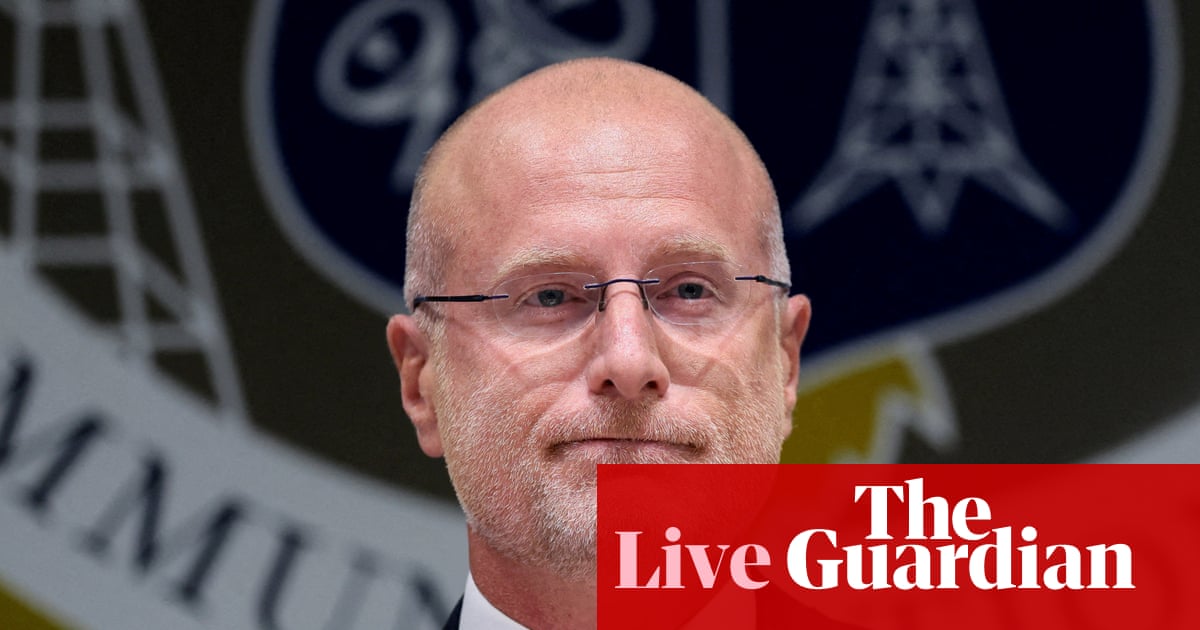 ABC is ‘right to stand up to pressure tactics’ from Trump administration, say media advocacy organizations – US politics live
theguardian.com
ABC is ‘right to stand up to pressure tactics’ from Trump administration, say media advocacy organizations – US politics live
theguardian.com
The Walt Disney Company and ABC have filed a federal lawsuit against the US Federal Communications Commission in the DC Circuit Court, arguing that the agency’s push for an early broadcast license renewal process amounts to political retaliation. The Guardian’s live US politics blog reports that Disney says the pressure is tied to ABC’s news coverage and to programming such as Jimmy Kimmel’s late-night comedy.
The dispute lands on a lever that still matters in an era of streaming: broadcast licenses remain a state-granted permission slip, and the FCC has wide discretion under “public interest” standards that are hard to define and easy to stretch. Advocacy groups quoted by the Guardian describe a pattern of threats, letters and public messaging aimed at outlets seen as unfriendly to the Trump administration, with FCC chair Brendan Carr named as the official applying the pressure. The Foundation for Individual Rights and Expression said ABC was “right to stand up” to what it called pressure tactics, while the Freedom of the Press Foundation’s Seth Stern argued that the agency is being used to intimidate journalism that displeases the White House.
For Disney, the lawsuit is a defensive move with a clear cost-benefit calculation: litigate now or accept a process that could be repeated whenever political control changes hands. For the FCC, the case tests how much authority Congress and previous court decisions have effectively placed in the hands of a regulator that can make life difficult without ever issuing a formal ban. A fellow at the Cato Institute, David Inserra, told the Guardian that the current FCC is using its power over broadcast speech to punish political opponents, and questioned why such powers remain justified when audiences have “multiple media platforms available.”
The immediate stakes are procedural—when and how ABC’s licenses are reviewed—but the practical question is simpler: whether a major network can be pushed into altering coverage to avoid a drawn-out regulatory fight. Disney’s complaint asks the court to treat the renewal process as something closer to viewpoint discrimination than routine oversight.
Disney and ABC have not asked for a new regulator. They have asked a court to stop one from using the license calendar as leverage.