
AI-generated sexual images spread across Indian social media
El País links Grok image tools to non-consensual deepfakes targeting women, takedown notices chase reposts faster than courts can move
Images
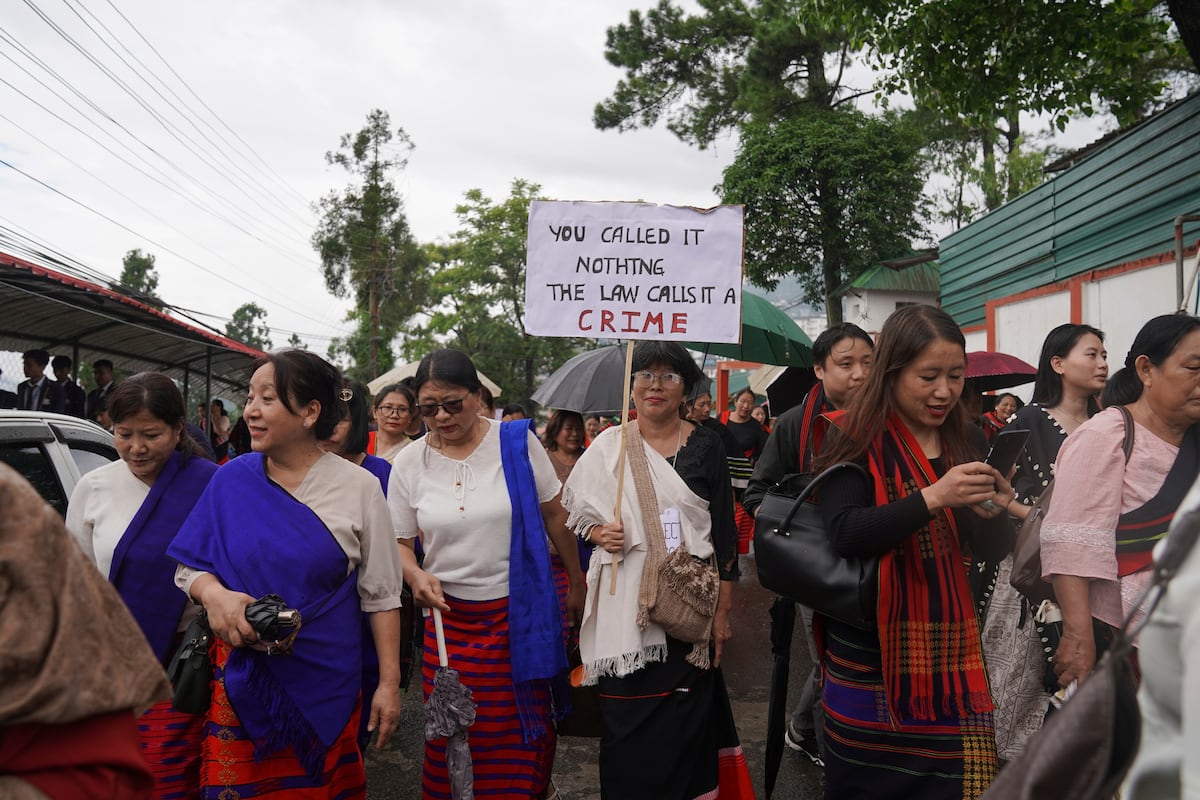 AI fueles a surge in online abuse against women in India: ‘It felt like someone had taken control of how I exist visually’
english.elpais.com
AI fueles a surge in online abuse against women in India: ‘It felt like someone had taken control of how I exist visually’
english.elpais.com
After a New Year’s Eve selfie, Indian woman Ruchi Kokcha found AI-generated nude versions of her image circulating online without her consent, El País reports. The paper says anonymous users used Grok, a chatbot built by Elon Musk’s xAI, to generate sexual images from uploaded photos. India’s Ministry of Electronics and Information Technology later issued a notice to X condemning the spread of obscene and derogatory content targeting women and children, and demanded removals.
El País describes a pattern in which generative tools compress the time and skill needed to harass someone: a photo becomes a prompt, and distribution is handled by the same social platforms built to maximise sharing. The result is a mismatch between harm and remedy. Even when platforms remove posts, the material can proliferate faster than takedowns; El País reports that after complaints, X blocked about 3,500 pieces of content and removed more than 600 accounts tied to sexualised images created with Grok. The article also notes that legal routes are slow compared with the velocity of reposts, mirrors, and private-channel distribution.
India has tried to translate that speed problem into penalties. Under India’s Information Technology Rules and the proposed Digital India Act, El País reports that platforms can be fined up to 500 million rupees for failing to prevent harmful content from spreading. But enforcement still depends on detection, reporting, and a platform’s willingness to act at scale — a workload that rises with every new image-generation feature and every marginal reduction in friction for users. El País notes that Grok added image generation and editing in December 2025, and that within days it was used to generate large volumes of sexualised images of women and minors.
The story also sits in a longer Indian context where the same tactics reappear under new branding. El País recalls the “Sulli Deals” and “Bulli Bai” episodes, in which women’s photos were repurposed for mock auctions, with arrests coming only after months of public pressure and media scrutiny. The tools change — from GitHub-hosted apps to AI image generation — but the operational reality remains: distribution is cheap, identity is disposable, and the victim bears the cost of proving what happened.
El País quotes Kokcha describing the experience as a loss of control over her own visual existence. The ministry’s notice to X arrived after the images were already circulating.