
Poland cuts coal power as Vistula runs low
Enea throttles plants after cooling-water squeeze removes 1.3 gigawatts, summer heat turns river flow into grid capacity
Images
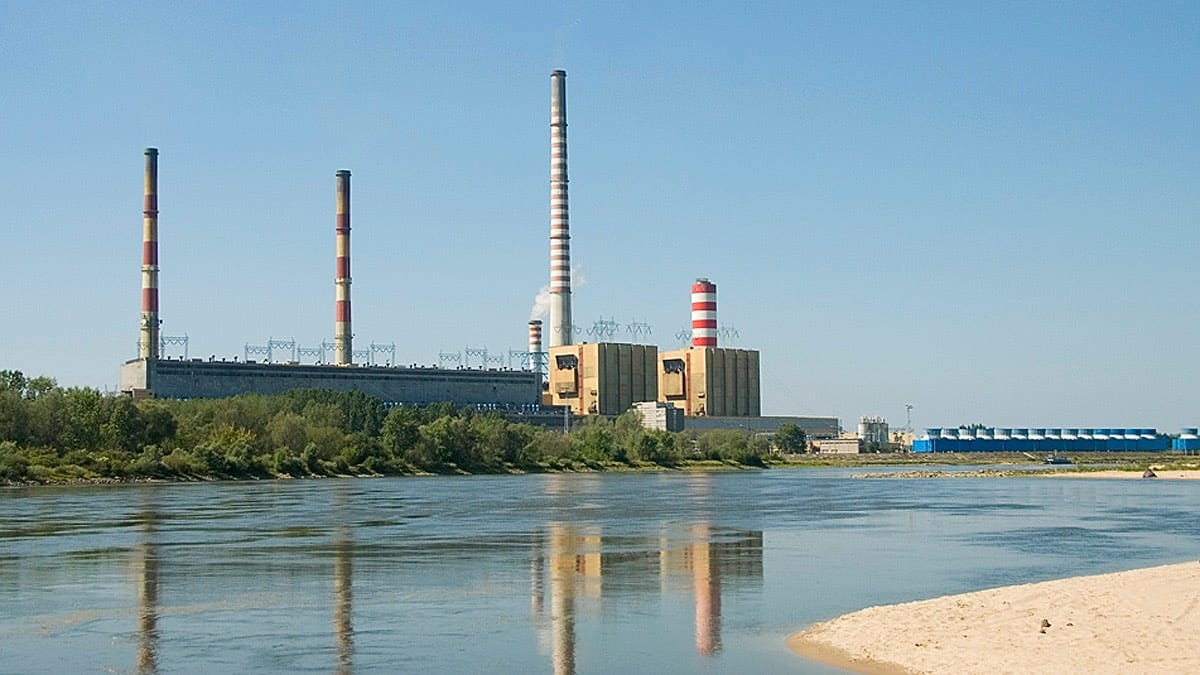 Why Europe’s drought is exposing Poland’s coal addiction
euronews.com
Why Europe’s drought is exposing Poland’s coal addiction
euronews.com
On 4 August Poland’s utility Enea cut output at two coal-fired power plants after water levels in the Vistula River fell too low to supply their cooling systems, according to Euronews. The reduction removed 1.3 gigawatts from the power system, forcing operators to manage a summer heatwave with less dispatchable capacity. River flow near one plant was reported at 135 cubic metres per second the next day.
The episode underlines a constraint that is easy to miss in debates framed as “coal versus renewables”: large thermal plants are built around dependable access to water, and drought turns that assumption into a bottleneck. Euronews notes that the Kozienice plant’s cooling system can withdraw roughly 80–100 cubic metres per second from the river, a figure that becomes politically and ecologically charged when it represents more than half of what is left. When grids are stressed by heat-driven demand, regulators face a choice between keeping turbines spinning and keeping rivers alive.
Poland’s predicament is also tied to the country’s generation mix. Ember estimates coal still produces 51% of Polish electricity, while wind and solar account for 25%, leaving the system unusually dependent on plants that need cooling water even as summers get hotter. At the same time, Euronews reports that Poland added more than 20 gigawatts of solar capacity between 2020 and 2025, a rapid buildout that has not yet shifted the overall balance enough to make coal’s operational vulnerabilities less consequential.
The drought is not isolating the problem to one country or one technology. Montel data cited by Euronews shows hydropower inflows and output falling sharply in Austria and Switzerland during July, with Germany and France also below normal. Hydropower’s shortfall can push systems back toward coal and gas at the very moment water scarcity is constraining thermal plants too, compressing the range of “easy” substitutes.
Policy decisions made under those constraints tend to lock in for decades. Euronews reports that Enea plans to build a nearly 1.3 gigawatt gas-fired plant at the Kozienice site, a move critics say would extend high cooling-water demand at the same river location. New turbines can be financed and permitted faster than new rivers can be created, and the physical dependency does not change when fuel does.
For now, the immediate fact is simple: a major European electricity system lost 1.3 gigawatts because the Vistula could not spare the water. The plants that were meant to provide reliability were throttled by the same drought stressing households and farms upstream.