
Donald Trump threatens to bomb Oman
Remarks tied to Hormuz negotiations with Iran, shipping diplomacy absorbs televised ultimatums
Images
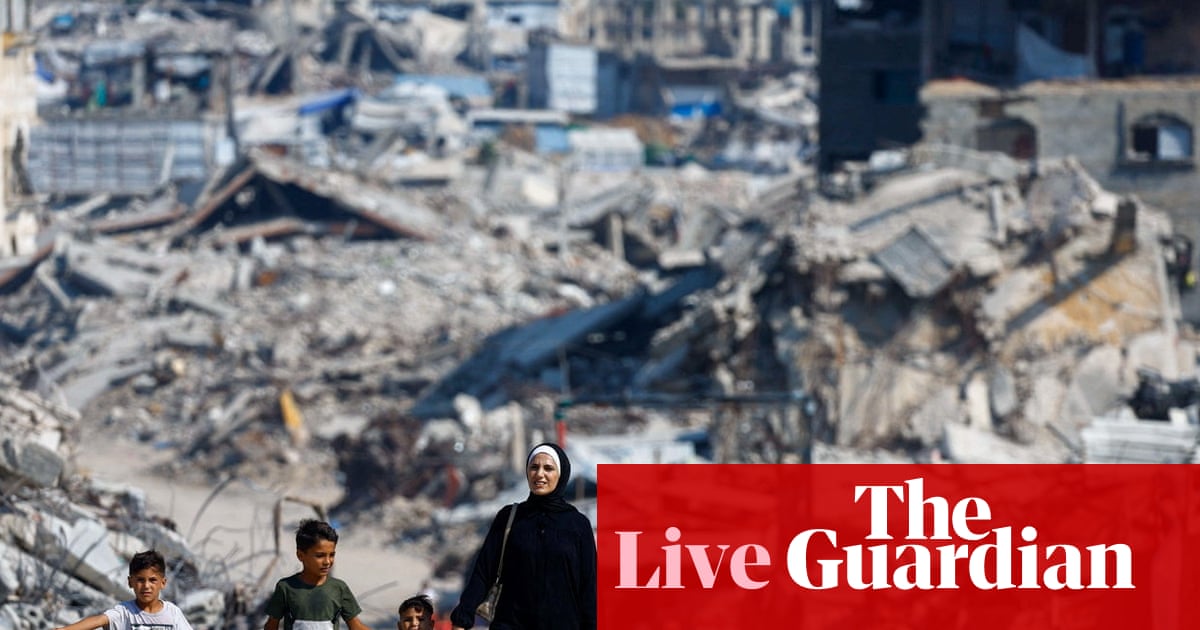 Trump threatens to bomb Oman if it ‘gets in the way’ of Iran deal as Kushner meets Netanyahu – Middle East crisis live
theguardian.com
Trump threatens to bomb Oman if it ‘gets in the way’ of Iran deal as Kushner meets Netanyahu – Middle East crisis live
theguardian.com
US President Donald Trump threatens to bomb Oman, comments come amid Hormuz talks involving Iran and Oman, diplomacy now shares space with televised coercion
US President Donald Trump threatened to bomb Oman if it “gets in the way” of a deal with Iran over the Strait of Hormuz, remarks made in an interview with Fox News and circulated by journalist Trey Yingst on X, according to The Guardian’s Middle East live coverage.
The threat lands in a narrow corridor of negotiations where Oman has been acting as a channel for talks involving Iran and shipping through Hormuz. The Guardian reports that talks are ongoing between Oman and Iran about control of the strait, while Washington is also pursuing its own talks tied to the same chokepoint. In the same interview, Trump called for Iran to surrender, saying it should “put up the white flag of surrender,” a framing that turns a bargaining process into a public test of humiliation and compliance.
Hormuz is not an abstract map feature for energy importers; it is a pricing mechanism. When a head of state publicly attaches the prospect of bombing a third country to the success or failure of maritime arrangements, the risk premium is no longer confined to the negotiating room. That premium is paid by shippers, insurers, and ultimately consumers, in a chain that starts with diplomatic theatrics and ends as higher costs embedded in fuel, freight, and household bills.
The form of the message matters as much as its content. By delivering the threat through a media interview and letting it be amplified as a quote, the administration turns an operational question—how ships transit, under what guarantees—into a public loyalty demand. That can make it harder for intermediaries such as Oman to be seen domestically as neutral facilitators, because neutrality becomes reinterpreted as obstruction. It also gives each party a domestic audience to satisfy: leaders can claim toughness even while their negotiators continue to trade concessions quietly.
The Guardian’s live coverage places the remarks alongside other moving parts in the region, including US engagement with Israel and Gaza diplomacy, underscoring how multiple tracks now compete for attention and leverage. In that environment, escalation in one channel can be used to compensate for stagnation in another, even if the costs are exported to shipping lanes and allied capitals.
Trump’s quoted line was simple: if Oman “gets in the way,” the United States will bomb it. The talks over the Strait of Hormuz are still described as ongoing.