
Cuba unveils 176 economic measures
Díaz-Canel promises market openings without political loosening, private banks and subsidy cuts arrive during blackouts
Images
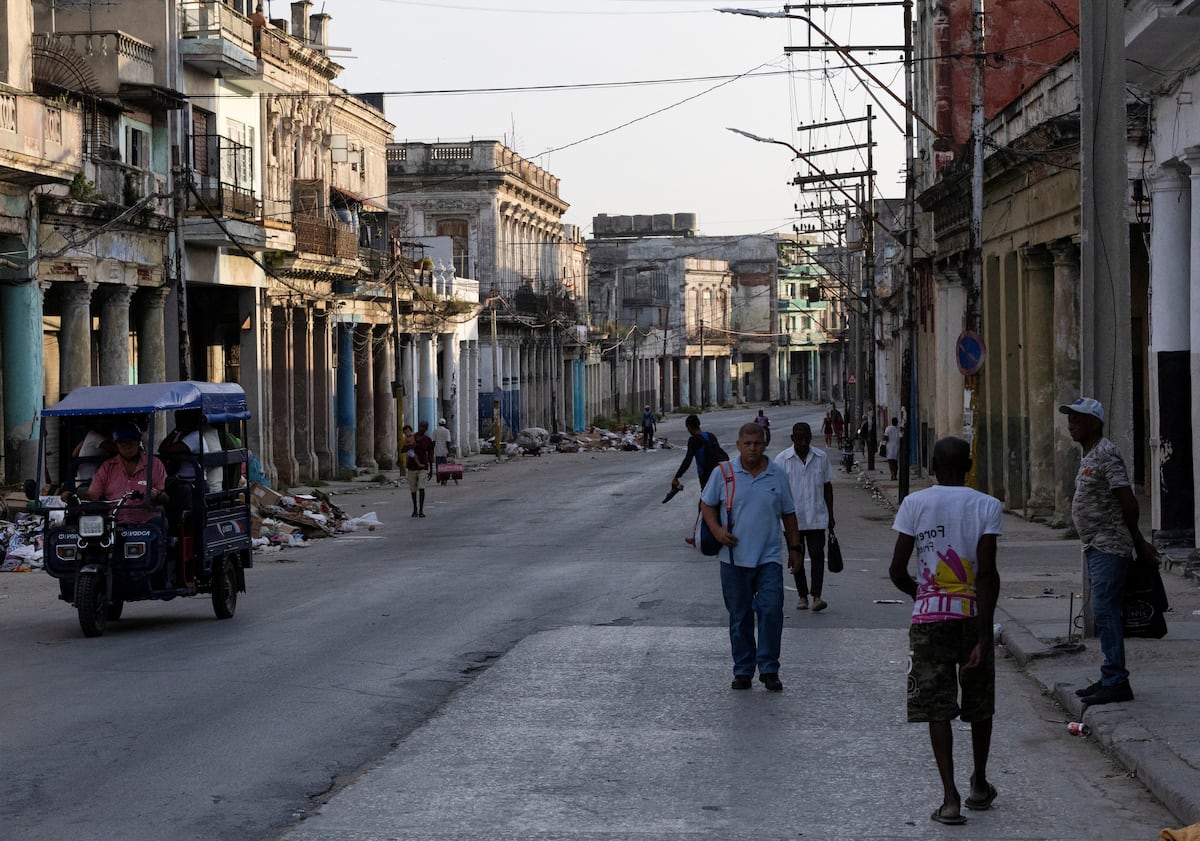 Castro-style capitalism: Havana promises economic changes without relinquishing political control
english.elpais.com
Castro-style capitalism: Havana promises economic changes without relinquishing political control
english.elpais.com
A package of 176 measures is now Havana’s headline offer to an economy that, by the government’s own admission, has entered “the most difficult period of this century.” According to El País, President Miguel Díaz-Canel has told officials that “reality demands urgent and necessary changes,” while insisting the state will not relinquish political control even as it loosens parts of the economic model.
The reforms, described by El País as the most sweeping since 1959, read like a checklist of pressures that have accumulated faster than the government’s ability to ration them. State-owned companies are promised greater autonomy. Foreign investment is to be allowed into the private sector without government intermediaries. Firms are to get more flexibility in setting wages. Private banks are authorised. Universal subsidies are to be ended, and private capital—domestic and foreign—is invited into sectors such as energy.
Cuba has made this turn before, and the government itself frames it as a reluctant reprise. Díaz-Canel points to the 1990s “Special Period,” when the state decriminalised the dollar, opened the country to tourism and foreign investment, and allowed small private businesses under the label cuentapropismo—later rebranded as the “non-state sector,” with owners recast as “entrepreneurs.” Those earlier openings expanded the space where households could solve problems the state could not, but they also created a permanent political problem: once people learn to earn outside the state payroll, they also learn what the state’s monopoly costs them.
This time, the economic backdrop is harsher and the external constraints are tighter. El País reports that daily life was already defined by blackouts, inflation, and shortages of food and medicine even before Washington intensified pressure at the start of 2026. The renewed squeeze, the paper writes, has coincided with fewer tourists, less transportation, and an energy crunch that translates directly into fewer hours of electricity—conditions that have repeatedly spilled into public protest. Government sources cited by El País claim survival rates among children with cancer have fallen, and that a state milk provision for young children has been cut back.
Ending universal subsidies and allowing wage flexibility may improve the arithmetic inside state firms, but it also shifts risk onto households that have spent decades living inside a controlled-price system. Authorising private banks and permitting foreign investment into the private sector without intermediaries can mobilise capital, yet it also creates new choke points: licensing, access to hard currency, and political permission become the scarce inputs that determine who can expand and who cannot. When the state keeps the right to decide which “entrepreneurs” are acceptable, investment becomes less a bet on demand than a bet on staying in favour.
On August 1, El País notes, Havana again saw blackouts. The government is offering capitalism’s tools while keeping the power to turn them off.