
Labour weighs Jackdaw and Rosebank drilling approvals
Consultations close after Greenpeace court win voided prior permits, North Sea future turns on whether ministers treat decline as policy or accident
Images
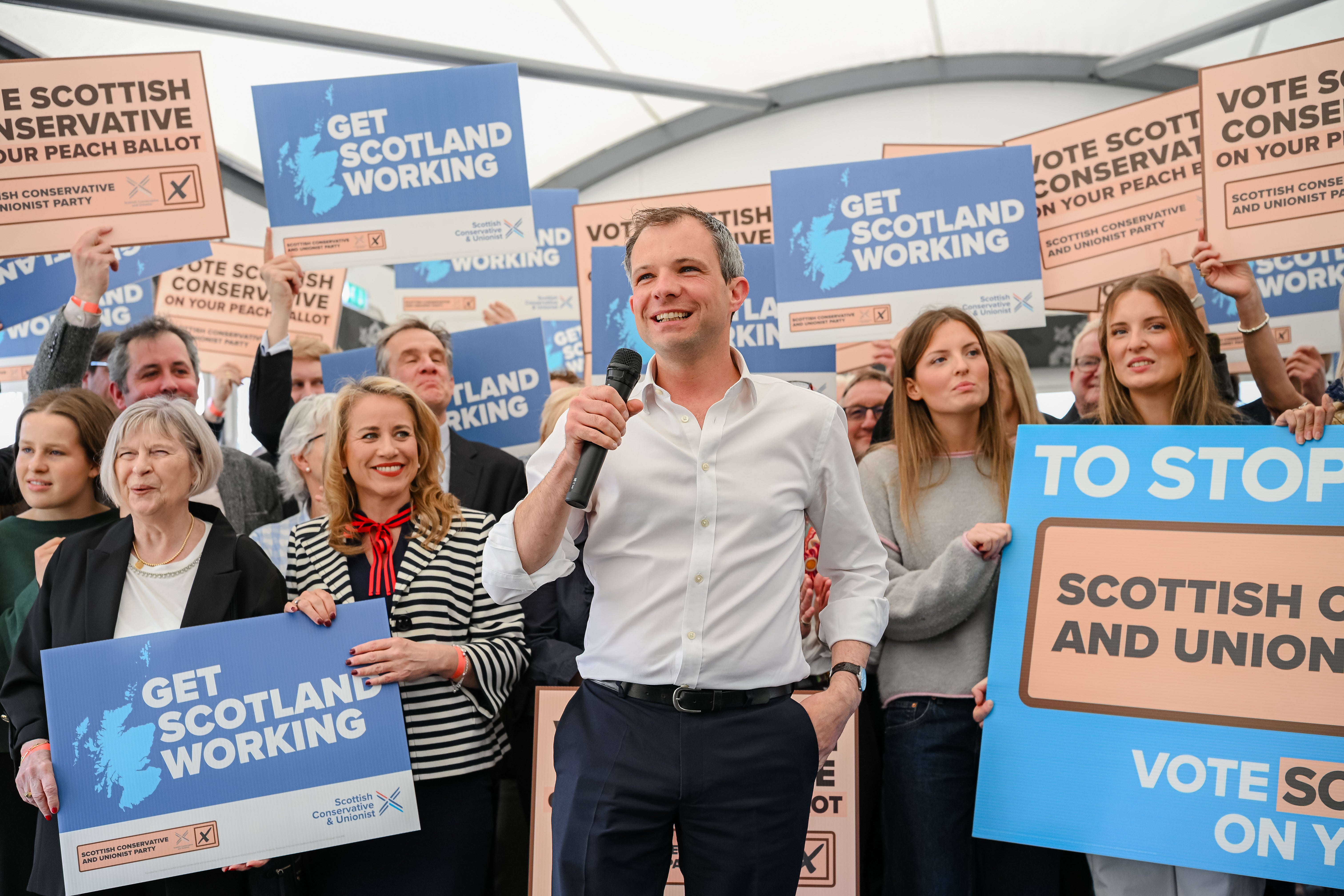 Conservative energy minister and shadow Scottish secretary Andrew Bowie (Euan Cherry/PA) (PA Wire)
PA Wire
Conservative energy minister and shadow Scottish secretary Andrew Bowie (Euan Cherry/PA) (PA Wire)
PA Wire
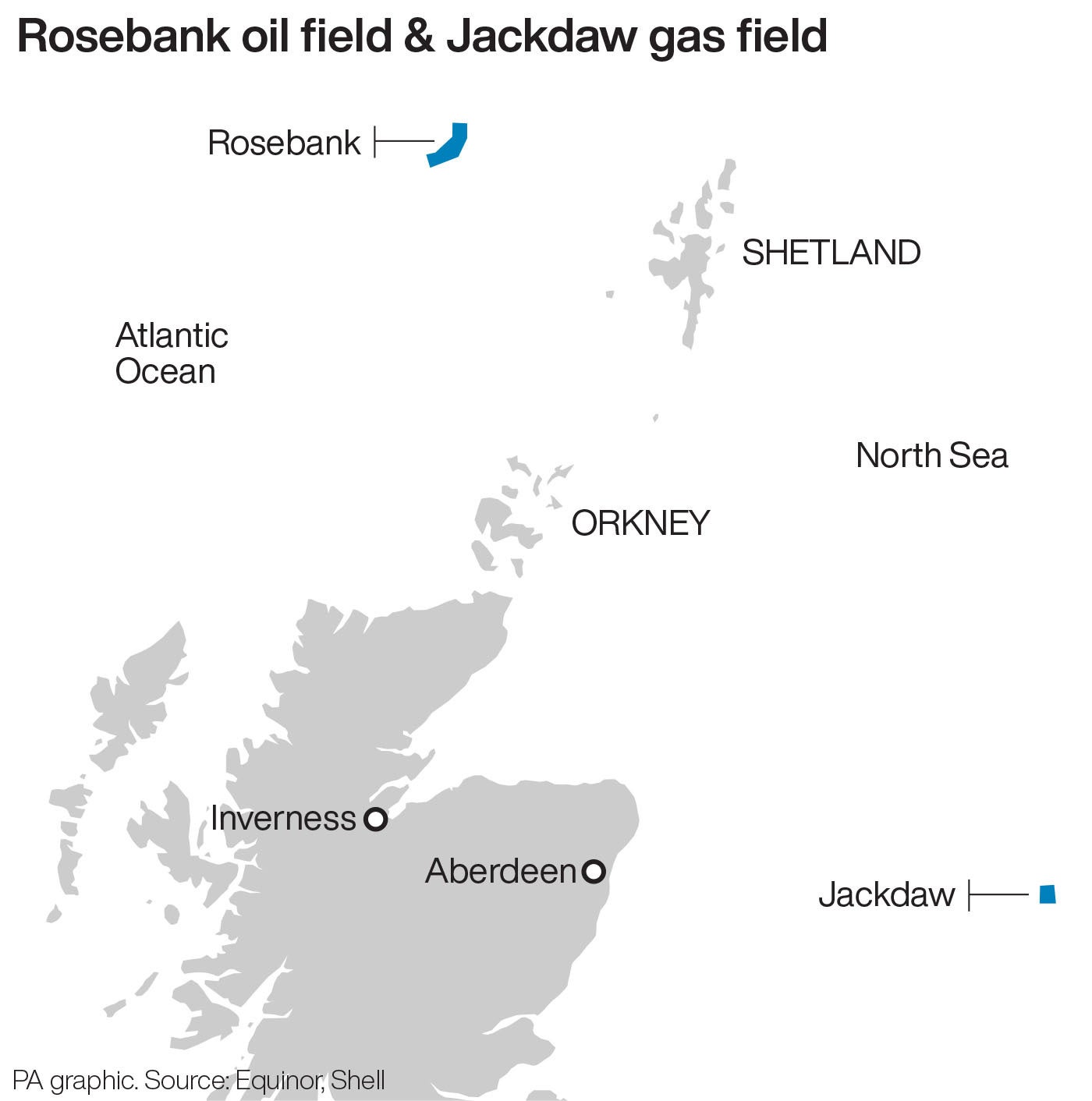 (PA Graphics) (PA Graphics)
PA Graphics
(PA Graphics) (PA Graphics)
PA Graphics
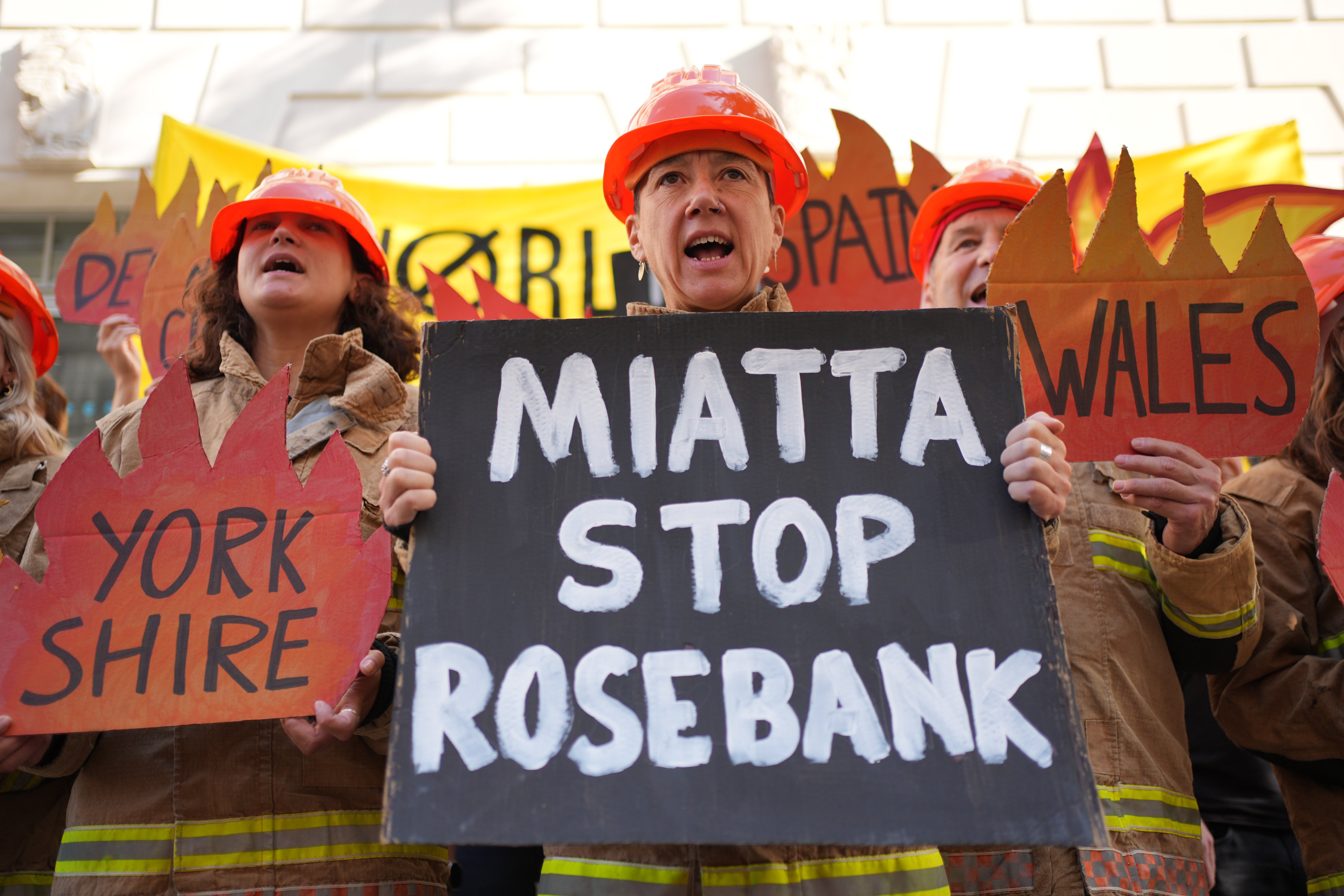 Campaigners outside the Department For Energy Security And Net Zero in Westminster (Yui Mok/PA) (PA Wire)
PA Wire
Campaigners outside the Department For Energy Security And Net Zero in Westminster (Yui Mok/PA) (PA Wire)
PA Wire
A public consultation on the Rosebank oil field closes on Monday, and Labour ministers must decide whether drilling can proceed after a Greenpeace legal challenge voided earlier approvals. A separate consultation on the Jackdaw gas field ended on August 10, leaving the government to rule on two flagship North Sea projects in quick succession. According to The Independent, Scottish Conservatives are framing the call as “life or death” for the North Sea industry.
The immediate pressure comes from the way UK energy policy now runs through permits and court-tested process rather than manifesto slogans. Labour has promised no new licences, but Jackdaw and Rosebank were previously approved, then knocked out in court, and are now back on ministers’ desks as re-decisions. Offshore Energies UK, an industry body, says the two developments would support a peak of more than 3,500 jobs during construction and 880 jobs externally over their lifespans, numbers designed to make a regulatory decision feel like an employment programme. The same argument is also a warning: if domestic production is blocked while demand persists, the UK imports more fuel, and the jobs, taxes and supplier contracts follow the imports.
Opponents are using the same administrative choke-points. Stop Climate Chaos Scotland, a coalition of more than 70 organisations, has written urging the prime minister to block the developments, pointing to extreme heat, drought and wildfires as lived evidence of climate risk. The dispute is not over whether oil and gas use is falling in the long run, but over who bears the costs in the meantime: workers and local economies if projects are halted, or households and the broader economy if supply is pushed offshore and priced through imports.
Government messaging is trying to hold both sides of the ledger. A spokesperson for the Department for Energy Security and Net Zero told the paper that the North Sea remains a “vital national asset” and that oil and gas will play a role “for decades” alongside a transition to clean power. That language leaves room for approvals without calling them a change of direction, and it also signals that the state expects to manage decline rather than abruptly end production.
BP’s decision to end its North Sea operations adds a second-order effect: each major exit makes the remaining projects more politically salient, because fewer firms remain to carry the fixed costs of skills, supply chains and decommissioning. In that environment, a consultation deadline becomes less a procedural milestone than a moment when ministers decide whether the North Sea is treated as a managed industry or a sunset clause.
The Rosebank consultation closes on Monday, and Jackdaw’s has already ended. The next move is a ministerial signature on whether earlier approvals are revived or replaced with a new stop order.