
Most US voters say they are worse off under Trump
Financial Times poll shows broad personal financial decline, midterm politics turns energy and tariff costs into household arithmetic
Images
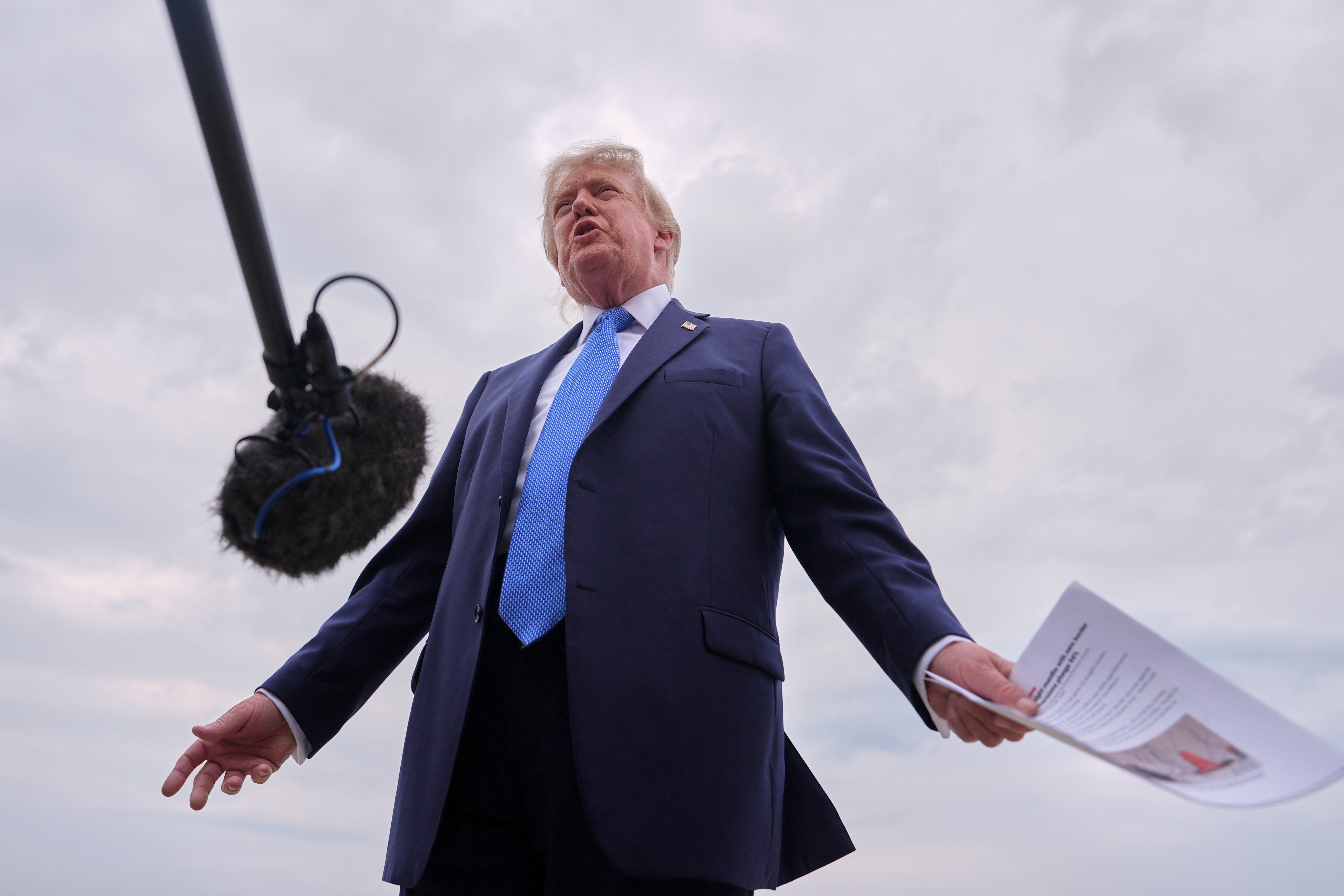 President Donald Trump's support is dropping among all voters, including Republicans, a new poll has found (Copyright 2026 The Associated Press. All rights reserved.)
independent.co.uk
President Donald Trump's support is dropping among all voters, including Republicans, a new poll has found (Copyright 2026 The Associated Press. All rights reserved.)
independent.co.uk
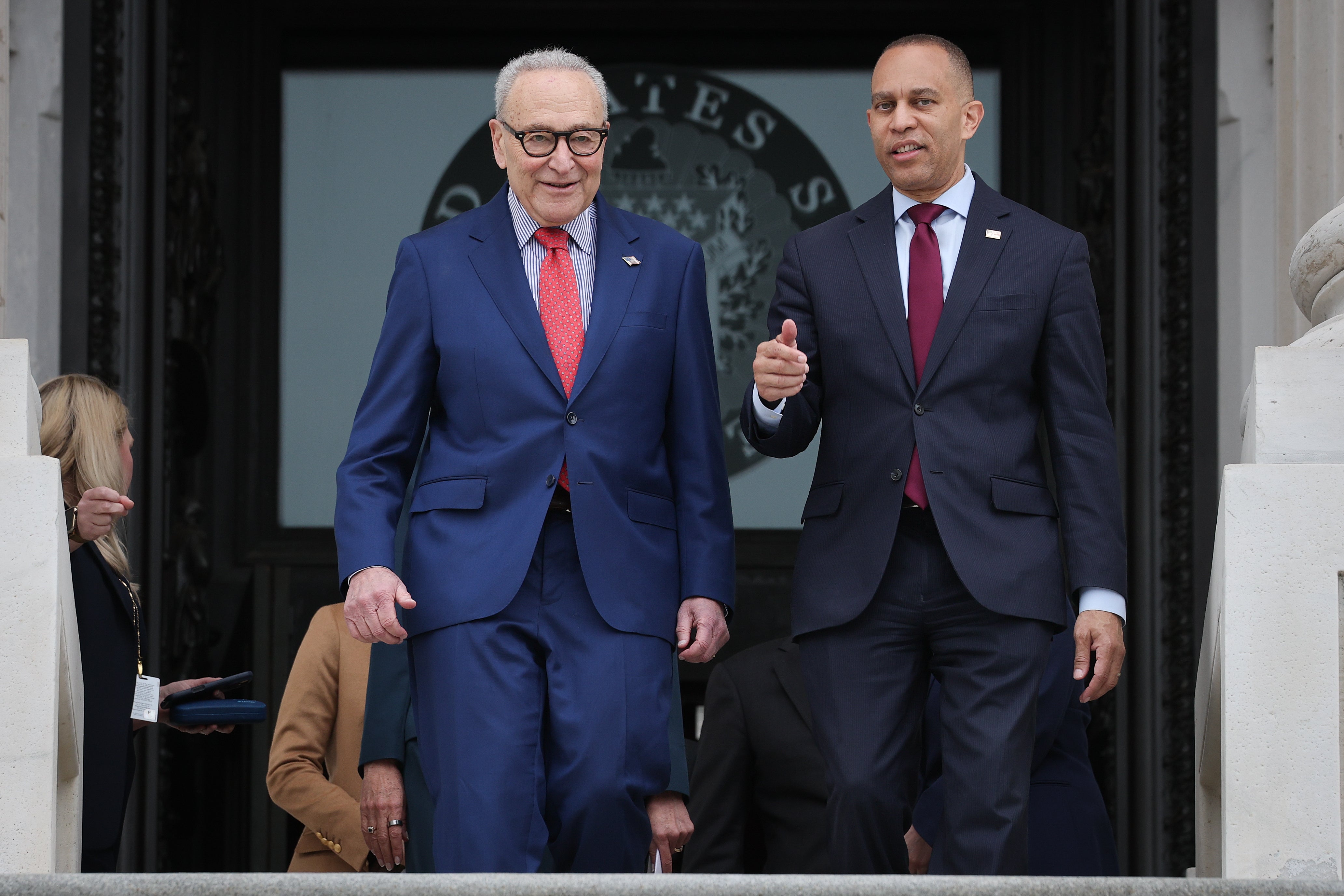 Democratic leaders Chuck Schumer and Hakeem Jeffries need just four seats in their respective chambers to win control of Congress in November (Getty)
Getty
Democratic leaders Chuck Schumer and Hakeem Jeffries need just four seats in their respective chambers to win control of Congress in November (Getty)
Getty
A new Financial Times poll conducted by Focaldata finds a majority of registered US voters say they are financially worse off than they were at the start of Donald Trump’s second term. According to The Independent’s write-up, about 53% report being in a worse position than on January 19, 2025, including nearly a quarter of Republicans.
The numbers arrive while the White House leans heavily on trade and industrial policy as proof of economic revival, but the costs of that approach show up first in household budgets. The Independent links the souring mood to higher consumer costs driven by the war with Iran, including fuel prices—an illustration of how quickly overseas disruptions become domestic politics when energy and shipping are repriced in real time. The same poll suggests a small but meaningful erosion inside Trump’s own coalition: one in five Republicans disapprove of his performance, and his approval among Republicans fell compared with the Financial Times’ previous survey.
On the electoral map, the dissatisfaction matters less as a general sentiment than as a constraint on what Washington can push through. The poll shows 51% backing a Democrat over a Republican on a generic midterm ballot, versus 45% preferring the Republican candidate, and it reports voters trusting Democrats more on jobs and the economy. With Republicans operating on narrow congressional margins, a shift of a few seats would change the administration’s toolkit from legislation to executive action and litigation—an increasingly familiar pattern in a tariff-heavy presidency where policy is often implemented through proclamations, investigations, and court fights rather than durable votes.
Democratic leaders have publicly backed away from a fresh impeachment push, The Independent notes, but the article reports they are more likely to use committee investigations if they retake one chamber. That would place the administration’s economic story—growth versus costs, and who pays—under subpoena light rather than campaign slogans, including scrutiny of the Trump family’s financial dealings and of institutional changes associated with Elon Musk’s DOGE initiative.
For now, the most concrete finding is also the simplest: in a poll taken a year and a half into the term, more voters say their own finances have moved backward than forward.