
Israeli settlers set homes on fire in Masafer Yatta village
Residents describe children trapped inside as police probe opens, investigations multiply faster than arrests
Images
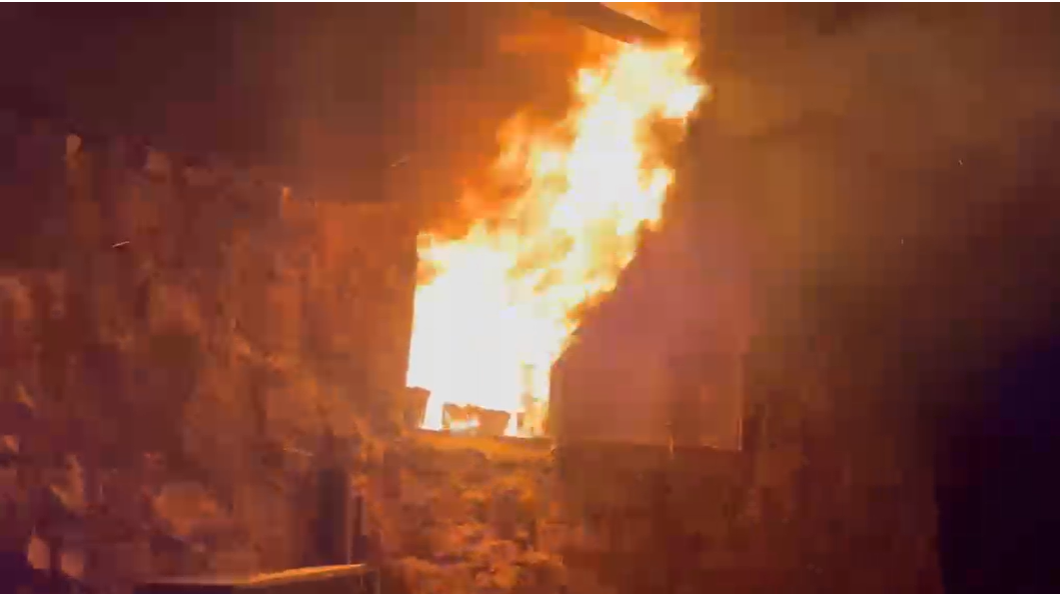 Footage of the scene showed flames bursting from the window of a house (Hamza Abu-Jundeya)
Hamza Abu-Jundeya
Footage of the scene showed flames bursting from the window of a house (Hamza Abu-Jundeya)
Hamza Abu-Jundeya
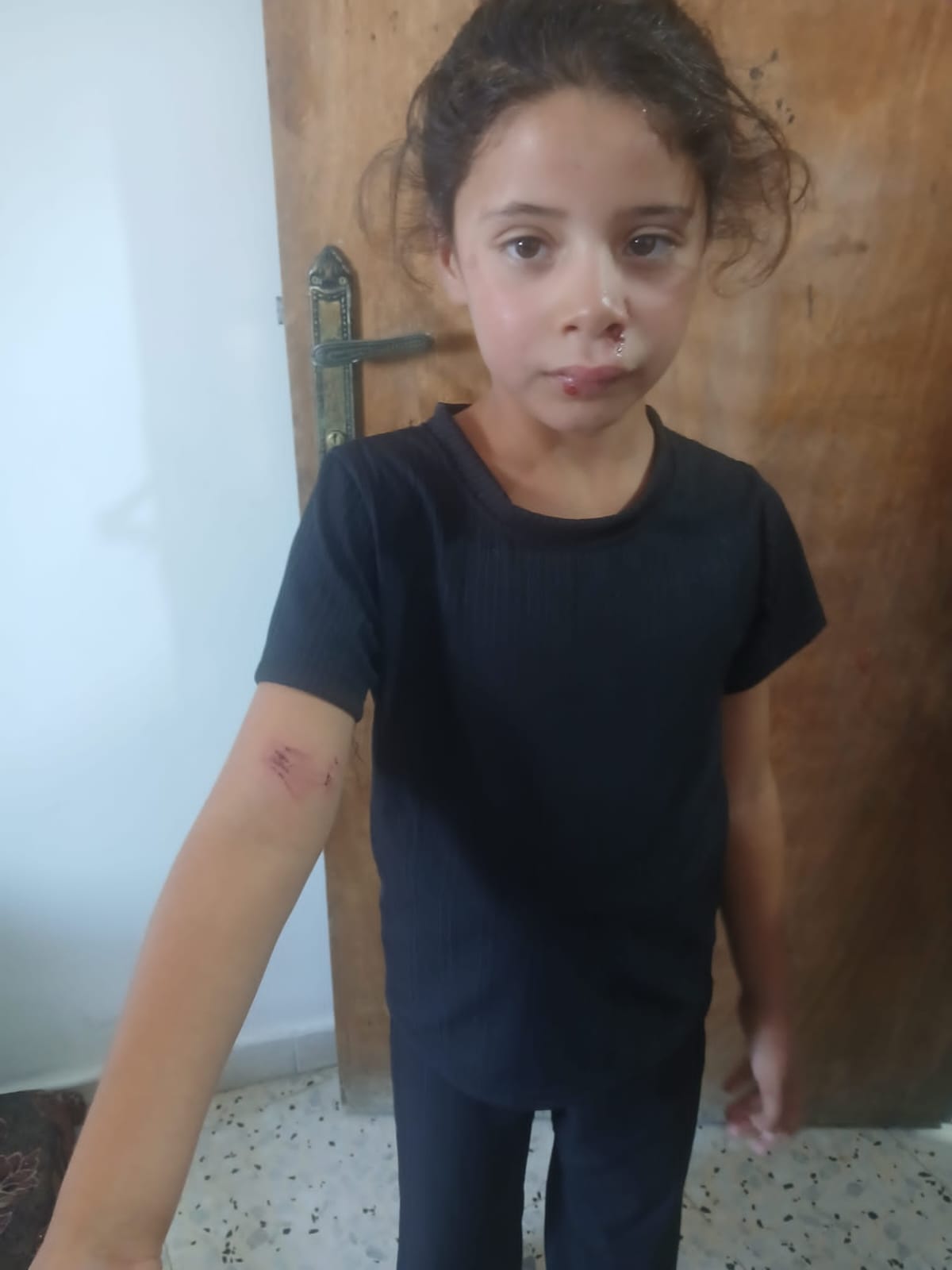 Razan, eight, was left with injuries to her face after being struck by a stone during the attack (Radwan Jundiya)
Radwan Jundiya
Razan, eight, was left with injuries to her face after being struck by a stone during the attack (Radwan Jundiya)
Radwan Jundiya
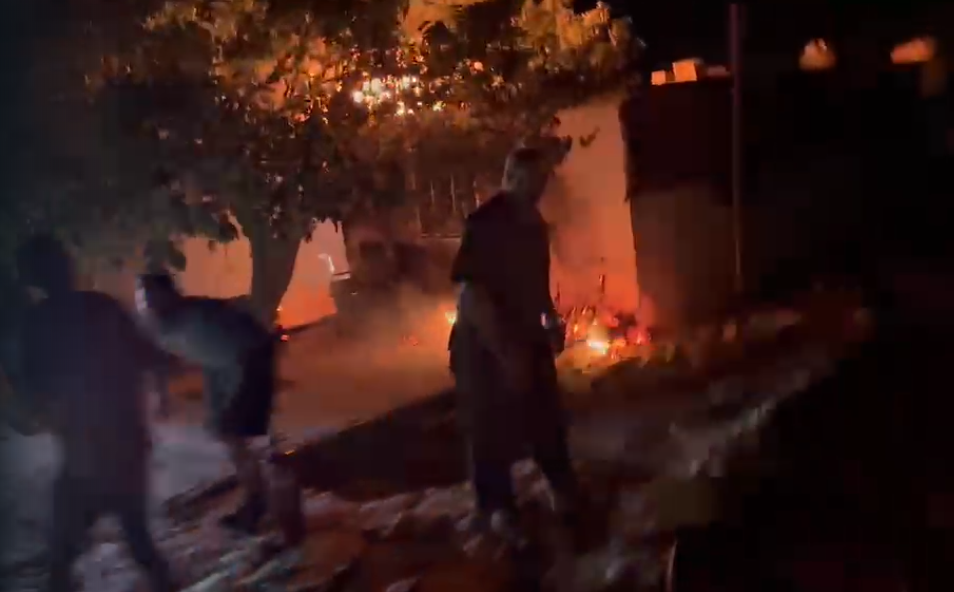 Residents rushed to put out the fires following the attack on 5 August (Hamza Abu-Jundeya)
Hamza Abu-Jundeya
Residents rushed to put out the fires following the attack on 5 August (Hamza Abu-Jundeya)
Hamza Abu-Jundeya
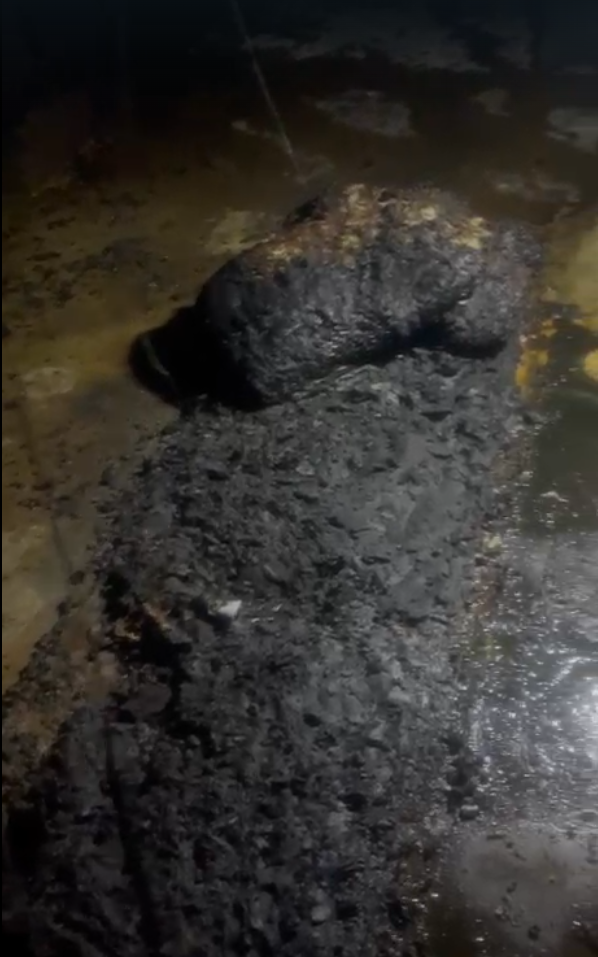 The charred remains of a bed in a home in Al-Tuba after settlers burned it down (Mohammad Hesham)
Mohammad Hesham
The charred remains of a bed in a home in Al-Tuba after settlers burned it down (Mohammad Hesham)
Mohammad Hesham
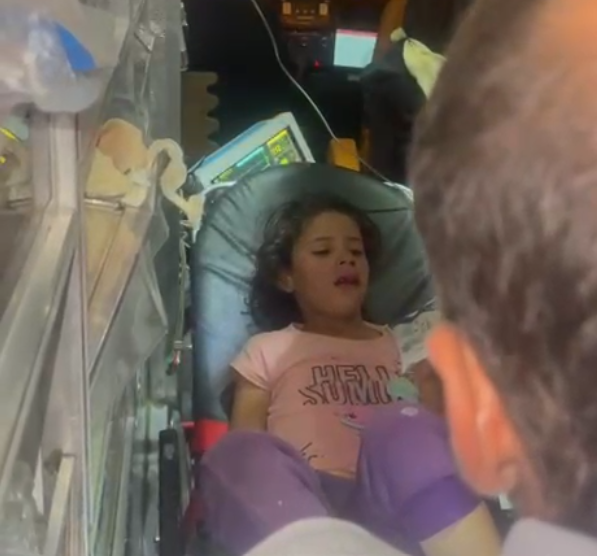 Razan, just eight years old, was left with a nasal fracture (Mohammad Hesham)
Mohammad Hesham
Razan, just eight years old, was left with a nasal fracture (Mohammad Hesham)
Mohammad Hesham
Around 40 masked and armed Israeli settlers attacked the West Bank village of Al-Tuba one night in early August, residents told The Independent, setting homes on fire and pelting buildings with stones while children were inside. One family said a pregnant woman was beaten and injured as her house burned; neighbours described being dragged out and assaulted. The Israeli military said police opened an investigation and entered the area under army protection to collect testimony and evidence, but the report said it was not confirmed whether any arrests followed.
The incident sits inside a wider pattern in the southern Masafer Yatta area, where Palestinians say attacks have shifted from sporadic vandalism to methods that make daily life unworkable: night raids, property destruction, intimidation, and pressure on access to land and grazing. Israeli authorities themselves have recorded a sharp rise in serious cases classified as “nationalistic crime” in the first half of 2026, with hundreds of attacks, according to figures cited by The Independent, while local residents and human-rights groups say many smaller incidents go unreported.
What makes the violence politically durable is not only the number of assaults but the way enforcement is structured. When police can only reach a village with military escort, the practical question becomes whether the state chooses to spend scarce manpower on protecting complainants, collecting evidence, and detaining suspects—or on other priorities. In that environment, an “investigation opened” can function as a holding statement: it signals process without guaranteeing outcomes, and it pushes accountability into a chain of agencies where no single office bears the full cost of inaction.
The effect on the ground is simpler than the paperwork. Homes, solar panels, hay bales and animal feed are not abstract symbols; they are the capital stock of families living under tight movement and building constraints. Burning a feed store or smashing a window is a low-cost action for attackers and an expensive loss for victims, especially when repairs and replacement depend on permits, cash, and access that can be restricted at multiple points.
International condemnation has not been absent—The Independent notes criticism from abroad, including from the White House—but the deterrent value of statements is limited when the immediate contest is over who can safely sleep in a house and who can reach an ambulance. In Al-Tuba, residents described children hiding while stones hit the walls and flames climbed through windows.
The army says police entered the area under IDF protection to gather evidence. The report does not say that anyone was arrested.