
Reform UK proposes scrapping PIP
Party claims £50bn annual welfare savings via disability benefit overhaul, costs shift toward councils and employers
Images
 Robert Jenrick said ‘dumping our young people onto welfare isn’t compassion’ (PA)
independent.co.uk
Robert Jenrick said ‘dumping our young people onto welfare isn’t compassion’ (PA)
independent.co.uk
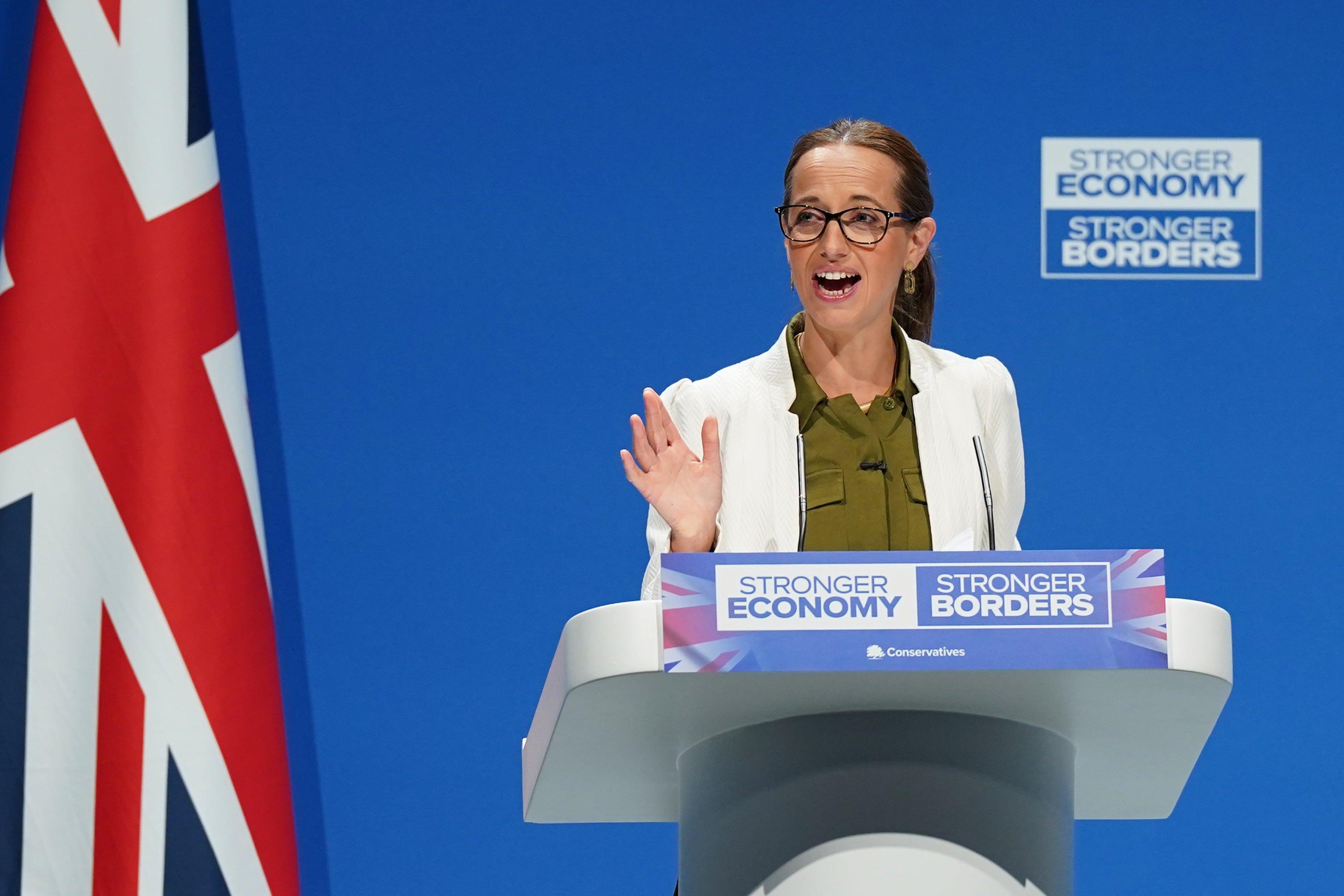 Helen Whately, Shadow Secretary of State for Work and Pensions (Getty)
Getty
Helen Whately, Shadow Secretary of State for Work and Pensions (Getty)
Getty
Reform UK has published a proposal it says would cut £50 billion a year from Britain’s welfare bill, including abolishing Personal Independence Payment (PIP) and removing the health element of Universal Credit for working-age adults. According to The Independent, the party says the changes would affect almost three million people who currently receive disability and sickness-related support, with existing claimants reassessed over three to four years. Labour dismissed the savings figure as “fantasy economics” and argued the plan would shift costs onto employers.
The package is built around replacing cash payments for what Reform describes as “low-level conditions” with “disability support accounts” that would be run by local councils and mayors. Instead of a regular benefit, the accounts would pay for specific items such as equipment, home adaptations, transport and personal assistance. Reform also proposes a new “health security allowance” that would be regularly reviewed and reserved for people it describes as gravely ill or severely challenged.
The sharper edge of the plan sits with employers. Reform’s Treasury spokesperson Robert Jenrick said employers could be required to pay a “return to work cover” insurance to fund costs for the first two years after an employee is signed off sick, with the stated aim of creating pressure to bring people back into work. After two years, those not returned to work would face a “single, rigorous in-person assessment” intended to screen out vexatious and fraudulent claims. The party’s framing is that the state should support those who need it, while tightening eligibility and reducing long-term dependence, particularly among younger claimants.
The Independent reports that Reform argues disability-benefit caseloads have expanded rapidly, citing Jenrick’s claim that 6.9 million people are now receiving disability benefits and that, since 2002, the share of working-age claimants receiving disability benefits for mental health and behavioural conditions has tripled. Reform says £22 billion of the savings would come from changes to disability benefits alone, and that the overall savings would exceed those promised by the Conservatives.
Disability groups and opponents contest the premise that the problem is mainly overpayment rather than barriers to work and daily life. Scope’s head of policy Abdi Mohamed told The Independent that PIP is designed to cover the extra costs of being disabled regardless of employment status, and warned that cutting financial support would not remove obstacles such as inaccessible workplaces or inadequate adjustments by employers. Conservatives, meanwhile, portrayed the announcement as political theatre, with shadow work and pensions secretary Helen Whately calling it a distraction from scrutiny of a donation to Nigel Farage and pointing to what she described as Reform’s shifting positions on welfare.
Reform’s plan would move disability support away from individual entitlements and toward locally administered budgets and employer-linked costs. The party is asking voters to accept that a benefit system measured in cash transfers can be tightened by replacing money with invoices and reassessments.