
UK inflation outlook hardens
Ofgem energy price cap rise feeds into July CPI forecasts, Bank of England rate debate returns as households absorb higher bills
Images
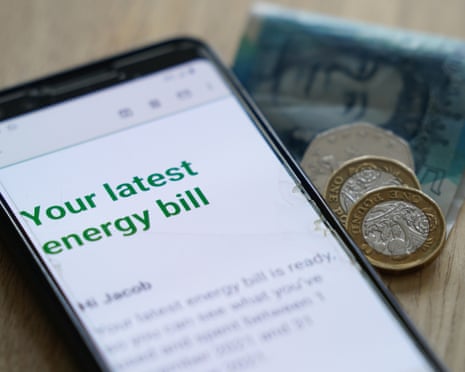 Economists said a rise in inflation was likely after the energy regulator lifted its cap on household gas and electricity bills in July. Photograph: Jacob King/PA
theguardian.com
Economists said a rise in inflation was likely after the energy regulator lifted its cap on household gas and electricity bills in July. Photograph: Jacob King/PA
theguardian.com
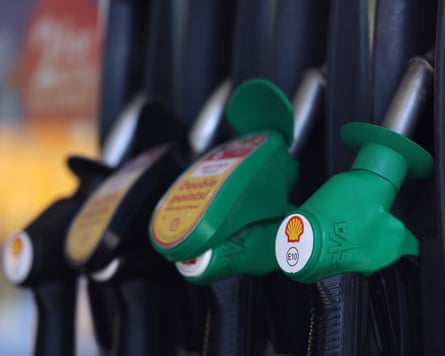 It is hoped the fall in petrol and diesel prices could partly offset the rise in energy bills. Photograph: Andy Rain/EPA
theguardian.com
It is hoped the fall in petrol and diesel prices could partly offset the rise in energy bills. Photograph: Andy Rain/EPA
theguardian.com
 What impact will July’s energy price hike have on UK inflation figures?
independent.co.uk
What impact will July’s energy price hike have on UK inflation figures?
independent.co.uk
UK household energy bills rose again in July after the regulator Ofgem lifted its price cap, a move economists say is likely to push inflation back up just as the Bank of England weighs its next interest-rate decision. The Guardian reports forecasters expect the consumer prices index to climb to about 2.9% in July from 2.6% in June, with energy the main driver after months of disinflation.
The immediate politics are awkward for Andy Burnham’s new government because the lever that moved—Ofgem’s cap—sits inside a regulated market designed to smooth price spikes rather than prevent them. According to the Guardian, ministers have announced measures intended to blunt the hit, including a VAT cut on electricity bills from October, while the Bank of England has said the VAT change and a bus-fare cap together would lower headline inflation only marginally. The Independent adds that investors and economists are watching not just CPI but also the Retail Prices Index, because it feeds into next year’s rail-fare calculations—an administrative pipeline that turns a monthly inflation print into a future household cost.
Behind the UK numbers is a global energy shock linked to the Iran war. The Guardian describes “shock waves” through energy markets and warns the effects may weigh more heavily in the second half of the year after the cap increase. The Independent similarly points to the risk that higher energy costs could persist into winter, while hot weather and drought damage crops and lift food prices, extending the squeeze beyond utilities. That combination matters for the central bank: if energy pushes inflation up while wage growth slows, rate rises bite households already paying more for essentials, but holding steady leaves policymakers exposed if inflation expectations drift.
The UK’s recent growth performance does not remove the constraint. The Guardian notes the economy grew in the first half of 2026 at the fastest pace in the G7, yet the inflation path had been heading toward the 2% target before the conflict-driven volatility returned. In practice, the price cap functions like a scheduled reset that translates wholesale market moves into retail bills on a timetable households cannot negotiate, and the politics of “help” then arrive as small offsets delivered months later.
The next inflation release will show whether the cap increase did what forecasters expect. The bill increase has already landed, regardless of what the Bank of England decides in September.