
Morocco and Spain deploy forces at Ceuta border
Social media posts call for new mass crossing on August 15, pushback rules and troop numbers become the real deterrent
Images
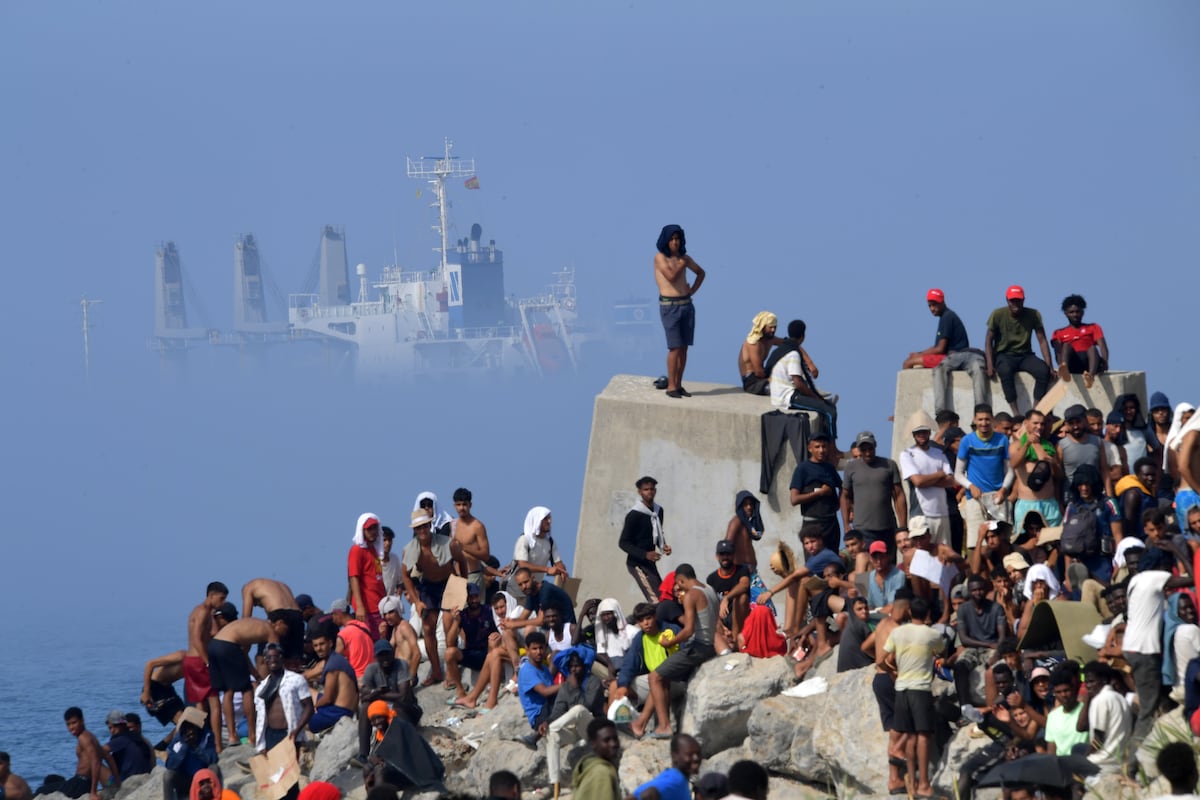 Morocco and Spain deploy forces at border amid online calls for new mass incursion into Ceuta
english.elpais.com
Morocco and Spain deploy forces at border amid online calls for new mass incursion into Ceuta
english.elpais.com
Morocco and Spain moved hundreds of security personnel, police and troops toward the border with Ceuta ahead of August 15, after social-media posts urged a repeat of late July’s mass crossing. El País reports that Morocco reinforced the border post in Fnideq and added fencing and concertina wire, while Spanish authorities increased the number of National Police and Civil Guard officers in the enclave and deployed additional military troops in support roles.
The preparations follow the July 30–31 surge in which tens of thousands entered Ceuta, a shock that left an estimated 5,000 irregular migrants still in the city weeks later, according to Spain’s Interior Ministry. Spain has been trying to clear the backlog through removals while also restoring day-to-day order after residents complained about insecurity. The episode has turned the narrow strip of sea and fencing into a test of administrative capacity: the state that can process, house, police and remove people fastest sets the terms, while the other side can raise or lower pressure with a few operational decisions.
El País describes Moroccan officials casting the online calls as “suspicious and misleading,” and says several people were arrested and charged in Morocco with spreading hoaxes to facilitate illegal migration. The same reporting notes that migrants said Moroccan police stood by during the late-July entry, an allegation that makes the new visible reinforcements read less like a technical upgrade than a political signal. On the Spanish side, a recent Supreme Court ruling is shaping tactics at sea: authorities have installed maritime barriers along the El Tarajal breakwater in Ceuta, similar to one around Melilla, designed to prevent arrivals from being classified as sea entries that cannot be immediately pushed back.
The mechanics are blunt. Social media can summon crowds to a specific place and date, but the decisive variable is what uniformed personnel do when those crowds arrive. Spain’s Interior Minister Fernando Grande-Marlaska travelled to Ceuta to deliver a deterrence message—saying none of those who enter will stay, reach the Spanish mainland, or gain legal status—while Madrid simultaneously depends on Rabat to prevent another breach. That dependence sits uneasily with the fact that each spike produces immediate fiscal and policing costs for the enclave, while the people who set the rules can treat the border as a pressure valve.
By Thursday, Spain had increased its police presence in Ceuta from just over 1,100 officers to about 1,600 and deployed around 2,000 military troops in support roles. Morocco’s Interior Ministry said it had put “all necessary measures” in place at the crossings, and the next test was scheduled by the posts themselves: August 15.