
Cambridge professor Jason Arday is found dead after resigning amid plagiarism dispute
Police say death not suspicious as university inquiry and online abuse claims collide, institutions issue statements while the coroner prepares the file
Images
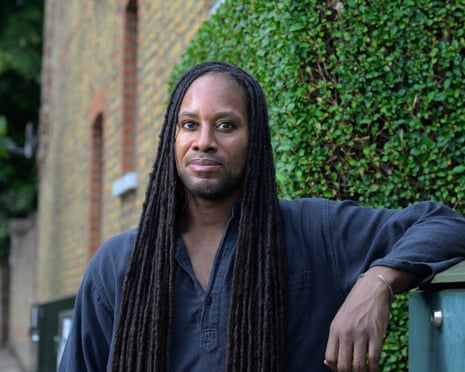 Jason Arday was appointed as professor of sociology of education at Cambridge in 2023, and was the university’s youngest black professor. Photograph: Christian Sinibaldi/The Guardian
theguardian.com
Jason Arday was appointed as professor of sociology of education at Cambridge in 2023, and was the university’s youngest black professor. Photograph: Christian Sinibaldi/The Guardian
theguardian.com
 standard.co.uk
 Jason Arday carries the Olympic Flame on the Torch Relay leg between Sutton and Merton in London in 2012 (Joe Giddens/PA)
standard.co.uk
Jason Arday carries the Olympic Flame on the Torch Relay leg between Sutton and Merton in London in 2012 (Joe Giddens/PA)
standard.co.uk
A University of Cambridge professor who resigned amid a high-profile plagiarism dispute has been found dead at his home in south London, according to The Guardian and the Evening Standard. Police were called by the London Ambulance Service on Friday afternoon and a 41-year-old man was pronounced dead at the scene, with officers saying the death is unexpected but not believed to be suspicious. Jason Arday had stepped down from his post as professor of sociology of education last week after what he described as relentless accusations and public commentary that took a profound toll on him and his loved ones.
Arday’s career had become a public argument about credibility as much as scholarship. The Guardian reports that Cambridge launched an investigation into his appointment and tenure after allegations of plagiarism and questions about inconsistencies in statements about his career and achievements. The Evening Standard adds that Arday denied the plagiarism claims while acknowledging some errors, and notes that the row began with accusations from a US researcher, Nathan Cofnas, who said he used plagiarism-detection software and found passages lifted with minimal editing. Liverpool John Moores University, which awarded Arday his PhD, investigated and did not uphold the plagiarism charges, describing the issues as likely honest and reasonable error, the Standard reports.
The dispute did not stay inside academic channels. Arday’s family said he had faced a campaign of sustained abuse for more than three years after accepting the Cambridge professorship, describing it as misinformation aimed at undermining him, according to The Guardian. Simon & Schuster UK, his publisher, echoed that account in a statement carried by the Standard. Politicians also intervened: London mayor Sadiq Khan said Arday had faced an “unacceptable public hounding,” and the UK education secretary Lucy Powell urged people to remember that real people with families are involved.
Universities increasingly run reputational risk on fast feedback loops they do not control. A plagiarism allegation can be investigated by one institution, disputed by another, litigated in public on social platforms, and then repackaged into hiring and diversity debates that draw in politicians and publishers. Formal processes—internal inquiries, police statements, coroner files—move slowly, while the most consequential incentives are immediate: institutions protect their brands; critics seek attention and leverage; supporters rally to prevent a narrative from hardening.
Police said officers from the Metropolitan Police’s central south command unit are investigating and will prepare a file for the coroner. Cambridge’s vice-chancellor Deborah Prentice said she was “desperately saddened” by Arday’s death. Arday resigned last week; on Friday afternoon, police and paramedics were called to his home.