
ICE raids push Los Angeles day laborers into hiding
El País reports Home Depot corners replaced by pickups and traffic stops, arrests rise while deportation outcomes stay unclear
Images
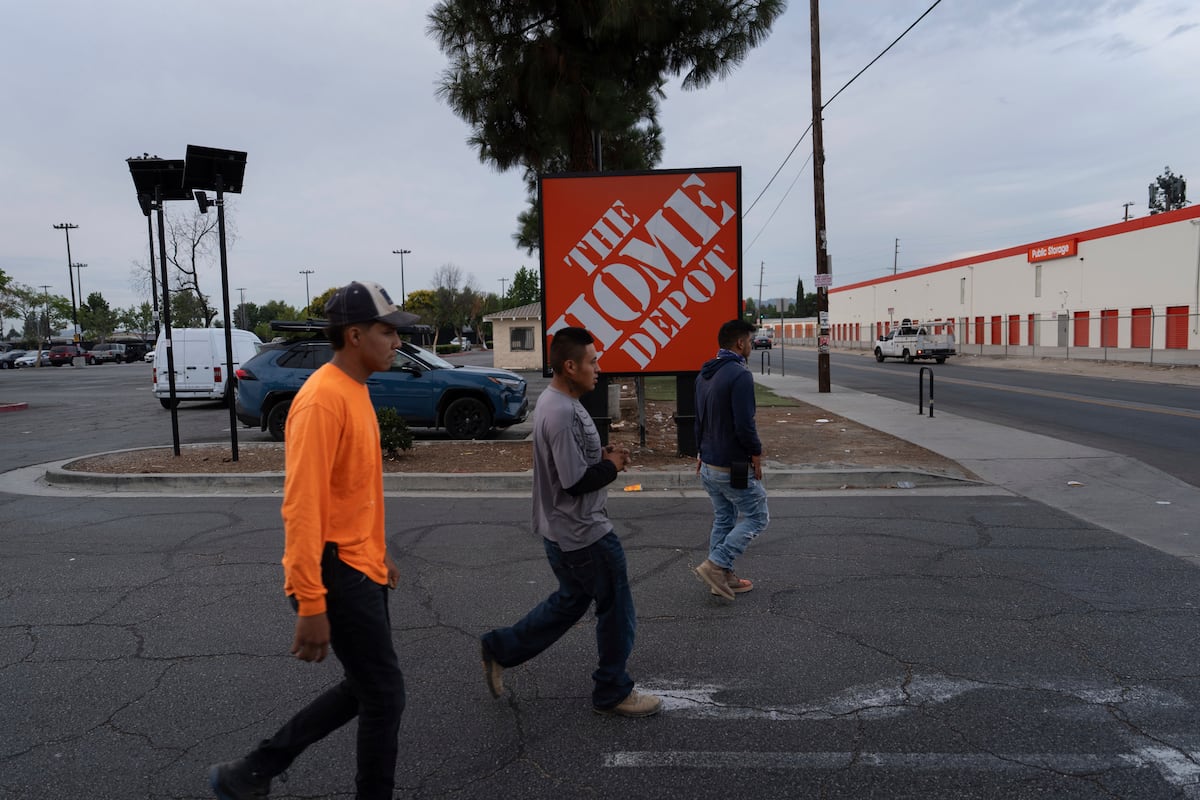 ‘I’m scared, but I don’t have a single cent’: Months of ICE raids drive day laborers to desperation
english.elpais.com
‘I’m scared, but I don’t have a single cent’: Months of ICE raids drive day laborers to desperation
english.elpais.com
A day laborer from Guatemala who says he is undocumented now spends his mornings outside a Home Depot in Los Angeles looking for cash work, even as immigration raids have turned the parking-lot hiring ritual into a risk calculation. In an account published by el País, the worker—identified only as Erwin—says he keeps showing up because he has no money for food. The paper describes months of enforcement activity in which Immigration and Customs Enforcement (ICE) and Border Patrol agents have targeted informal hiring spots around big-box stores.
According to el País, Home Depot entrances in Los Angeles have become frequent targets, with social-media videos showing agents chasing migrants near and inside stores. The National Day Laborer Network (NDLON) says that since early 2025 more than 500 day laborers in Los Angeles have been arrested in operations of this kind, though the network does not have records showing how many were ultimately deported or released from detention. That missing accounting matters because it leaves workers and employers guessing at the real cost of being caught: a quick release, a prolonged detention, or removal.
The reporting also sketches how tactics and behavior change together. NDLON’s Pablo Alvarado tells el País that earlier operations relied on visible force—large deployments that mapped locations and blocked entrances and exits. More recently, he says, the approach has shifted toward catching workers away from the storefronts: at construction sites and traffic lights, including stops that he describes as racial profiling. The paper reports that agents have stopped vehicles and vans carrying building materials or gardening tools, a practical proxy for the kind of informal work that day laborers do.
Workers, in turn, are adapting by dispersing. El País reports fewer day laborers waiting at Home Depot locations, not because the work has vanished but because the gathering point has become predictable. Some now arrange pickups through personal networks and meet at changing locations, trading visibility for a chance to keep earning.
The story sits alongside a broader pattern of enforcement migrating into everyday infrastructure—parking lots, roads, and job sites—where identification is easy and legal process happens later. For employers, the immediate effect is a more fragile supply of casual labor; for workers, the shift is from competing for jobs in public to trying to stay invisible while still being available.
At the Home Depot described by el País, the work has not stopped. The queue has simply moved to places where neither the public nor the statistics can easily see it.