
UK rail derailment near Wickford triggers safety reassurances
Second incident within 24 hours prompts RAIB investigation, hot dry summer becomes part of the official explanation
Images
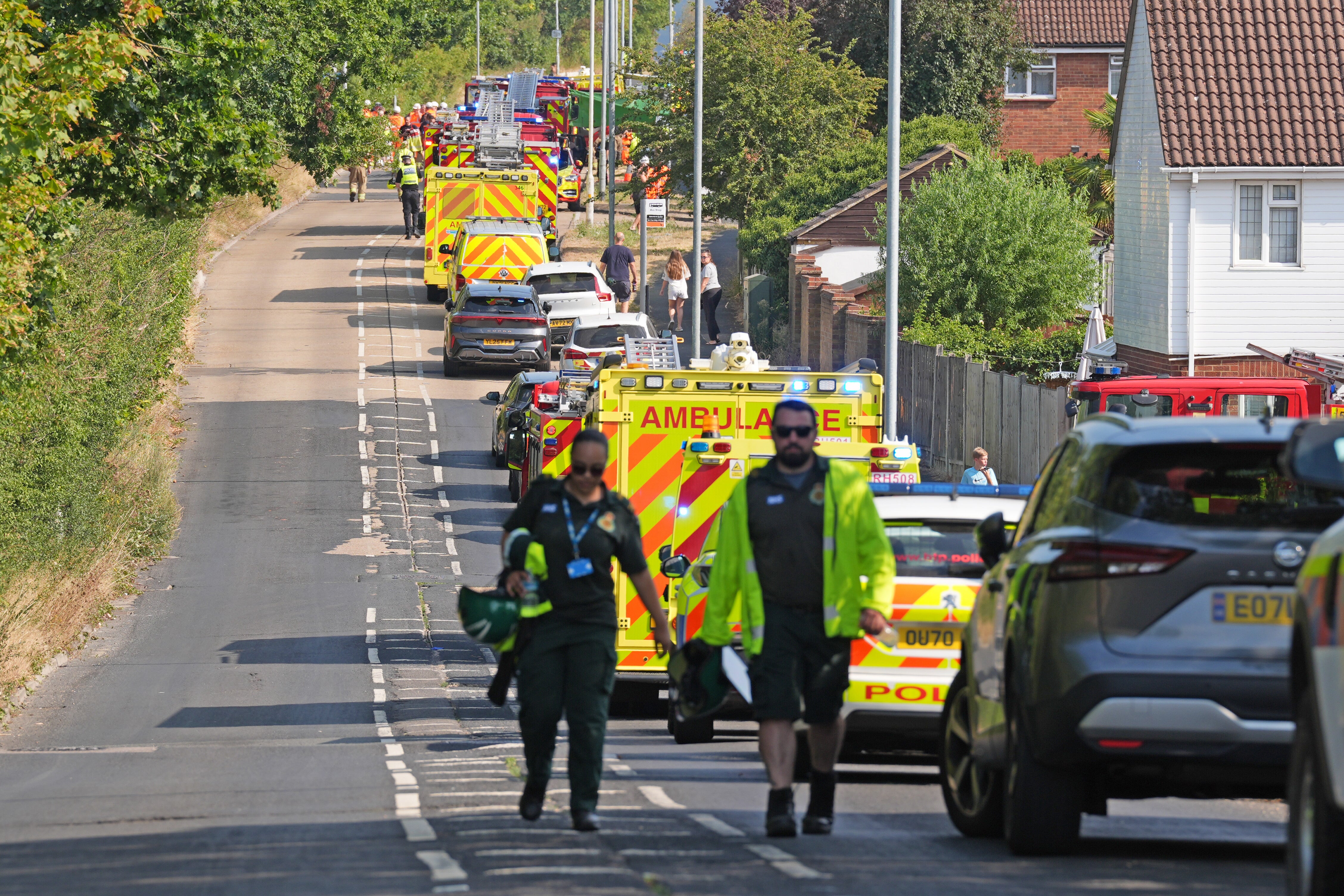 independent.co.uk
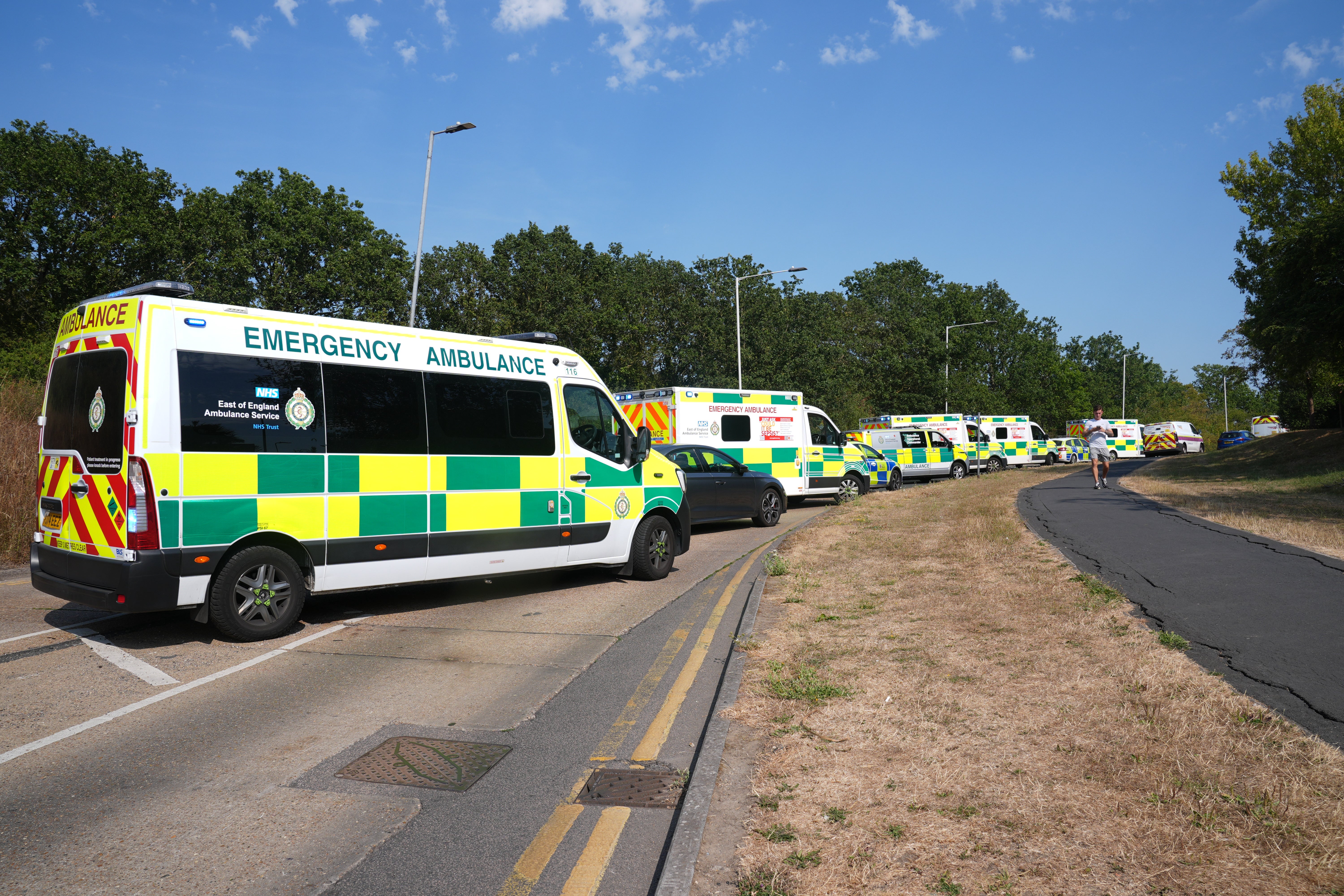 independent.co.uk
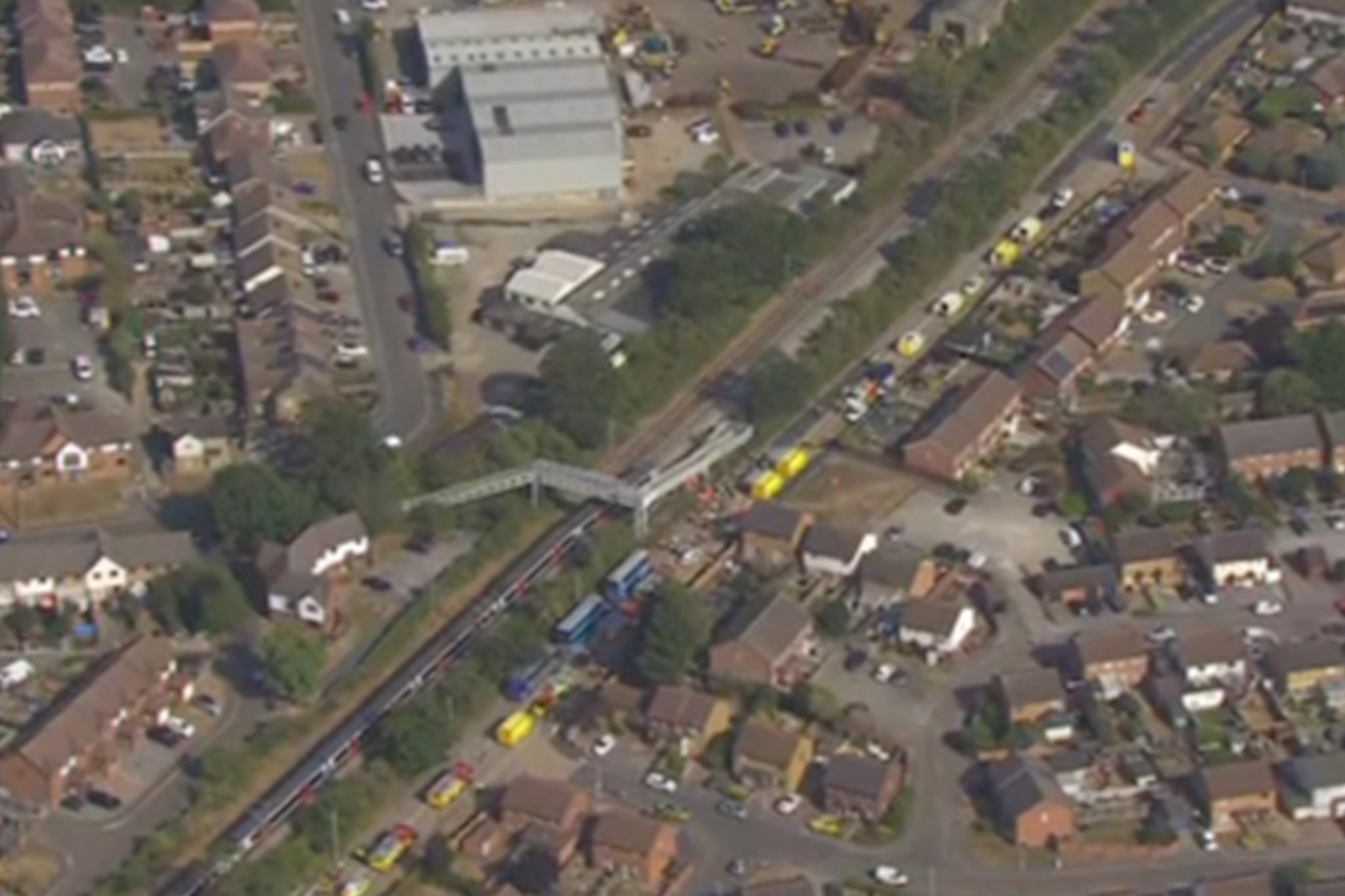 Aerial footage shows the derailed train near Wickford (Sky News)
Sky News
Aerial footage shows the derailed train near Wickford (Sky News)
Sky News
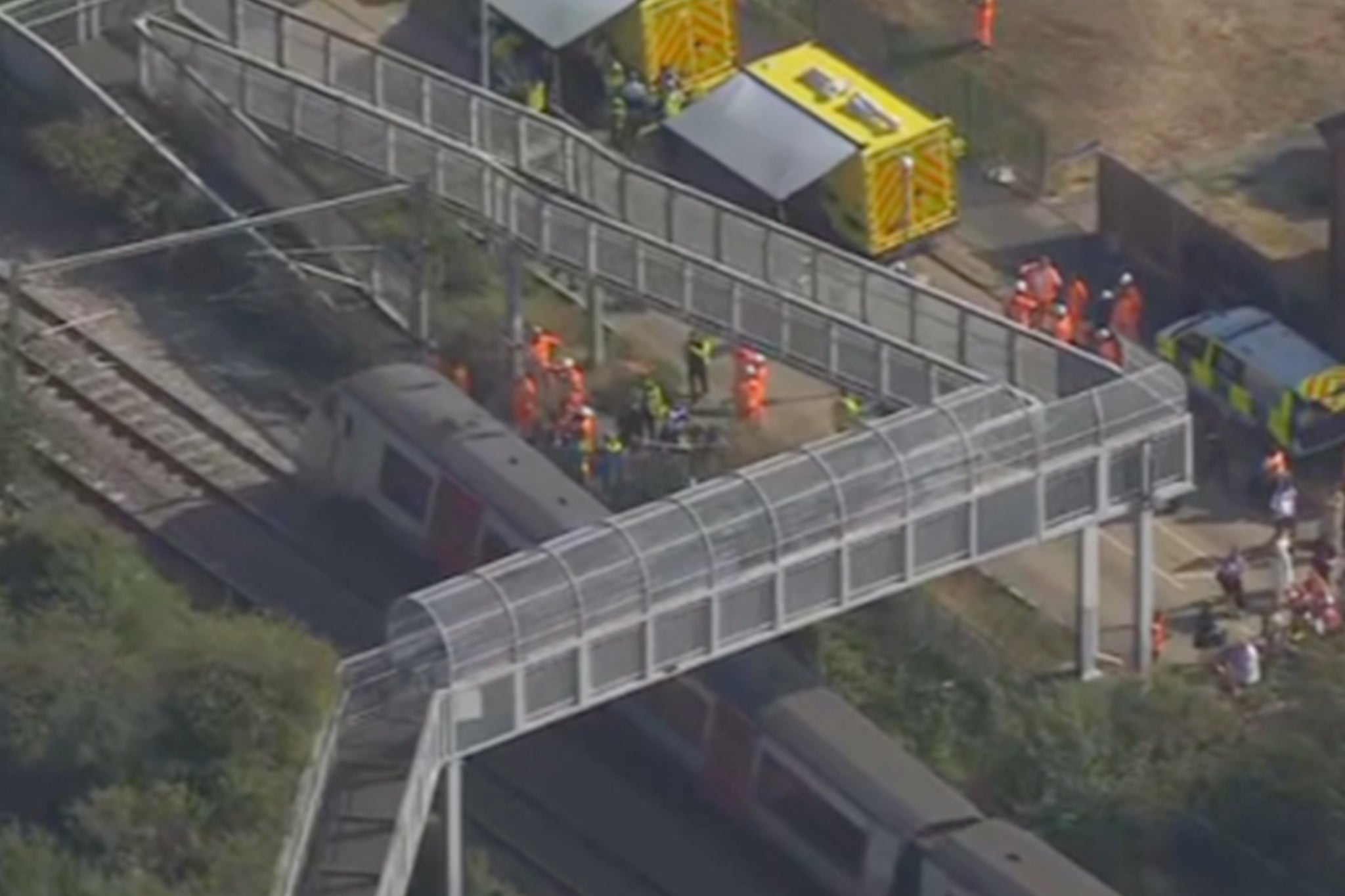 Emergency services were alerted to the incident at 2.12pm (Sky News)
Sky News
Emergency services were alerted to the incident at 2.12pm (Sky News)
Sky News
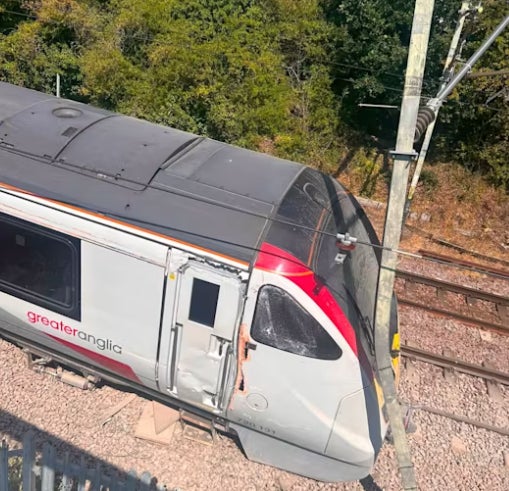 Pictures show the rear carriages derailed in an upright position (Cllr Danielle Belton)
Cllr Danielle Belton
Pictures show the rear carriages derailed in an upright position (Cllr Danielle Belton)
Cllr Danielle Belton
A second train derailment in Britain within 24 hours prompted Network Rail to insist that the country’s railways are “among the safest in the world,” after a Greater Anglia service derailed near Wickford in Essex. The Independent reports that the Rail Accident Investigation Branch deployed a team to the scene and that British Transport Police said there were no injuries in the Wickford incident. The derailment followed another crash in East Sussex the previous day, where a passenger described believing she “was going to die.”
The official messaging is now running ahead of the technical findings. Network Rail executive Martin Frobisher urged the public not to speculate about causes, saying investigators would examine all possible factors, while also pointing to “unprecedented hot and dry weather” as an exceptional challenge for the railway, according to the Independent. That combination—don’t speculate, but note the weather—reflects the bind of an infrastructure manager that has to keep trains moving while accepting that environmental stress is no longer an occasional edge case.
Heat affects railways in ways that are hard to communicate without sounding like excuse-making. Network Rail said it has been monitoring track temperatures, imposing speed restrictions where appropriate, and planning track renewals around high temperatures. Those are operational workarounds that trade punctuality for safety, and they depend on the system’s ability to absorb delays without cascading failures. In practice, a network with tight timetables and heavy peak demand has little slack; a speed restriction on one corridor can ripple outward as rolling stock and crews miss their next slots.
Derailments also test the boundary between local incidents and national disruption. The Independent’s account of the Wickford derailment includes images of a train off the tracks into gravel but remaining upright, suggesting the event was contained physically even as it triggered an investigative and communications response. When two such incidents occur back-to-back, the public’s experience is shaped less by the technical severity of each crash than by the cumulative impression that the network is operating closer to its limits.
RAIB’s investigation will determine what happened near Wickford, and Network Rail says it is focused on restoring services “safely and quickly.” For passengers, the immediate fact is simpler: two carriages derailed near Wickford, and the rail industry’s first public priority was to repeat that the system is safe.